
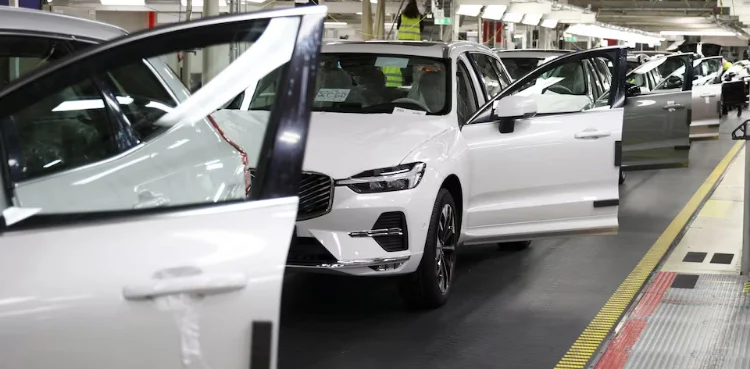
Volvo Cars says it underestimated the impact of changes to US electric vehicle incentives, even as cost-cutting measures helped limit pressure on its earnings in the first quarter.
According to Beyond Time News, the company is facing a challenging period marked by tariffs, currency fluctuations, and global political shifts that have weighed on the European auto industry.
Sales Drop in Key Markets
The company reported a 32% drop in US sales and a 17% decline in China during the first quarter compared to last year. Europe remained relatively stable, helping offset some of the global slowdown.
Volvo’s US plug-in hybrid sales fell sharply by 49%, while its fully electric vehicle sales dropped 14%.
Impact of Policy Changes in the US
Chief Executive Håkan Samuelsson said the company did not fully anticipate the effect of changes to US EV subsidies. He explained that plug-in hybrids had previously benefited from a $7,500 tax credit, which supported strong sales.
With the subsidy removed, demand for those models dropped significantly.
Read more:Reduced Penalties for Cars, Bikes and Heavy Vehicles
Pricing Strategy Under Pressure
Chief Commercial Officer Erik Severinson said Volvo will continue focusing on premium pricing instead of joining price wars in the market. He said the company prefers to protect profit margins even if it affects sales volume.
Most Volvo vehicles sold in the US are imported from Europe, except for the EX90 model. The company also plans to begin local production of the XC60 SUV in South Carolina later this year.
Profit and Cost-Cutting Efforts
Operating profit fell 16% to 1.6 billion Swedish crowns ($172.6 million), while overall sales declined 11%. However, analysts said losses were lower than expected due to an 18 billion crown cost-reduction plan launched earlier.
Volvo expects continued pressure on profits in the short term but hopes for improvement as new electric models enter production.
Outlook
The company remains cautious about the coming months but expects stronger performance in the second half of the year as production of its new electric EX60 ramps up.
Despite early gains, shares of the company later fell as investors reacted to ongoing uncertainty in the global auto market.


One thought on “Volvo Cars Warns on EV Subsidy Impact as Sales Fall”
Comments are closed.