
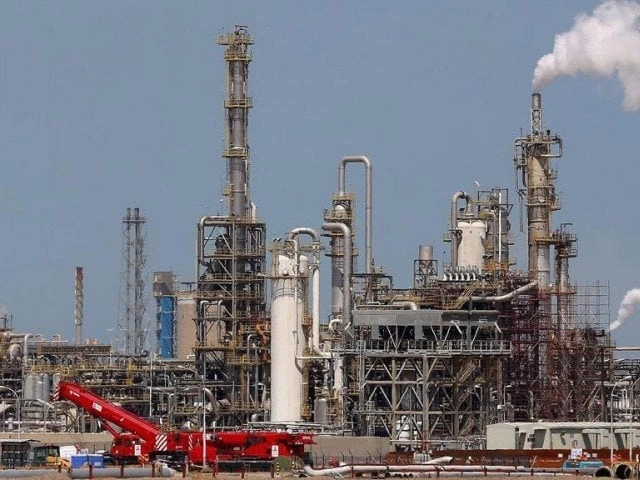
According to Beyond Time News, the government of Pakistan has stepped up efforts to implement the long-delayed oil refinery policy, aiming to strengthen energy security and reduce reliance on imports.
The push comes amid rising global uncertainty linked to the US-Iran conflict, which has highlighted vulnerabilities in fuel supply chains.
SIFC Urges Resolution of Tax Issue
The Special Investment Facilitation Council has directed relevant ministries to resolve the long-standing General Sales Tax (GST) waiver issue.
Industry stakeholders say the GST concession has led to billions of rupees in losses for refineries and oil companies. As a result, addressing this issue is seen as critical for the sector’s sustainability.
Policy Delays and Industry Concerns
Officials recently revisited the refinery policy in a high-level meeting after years of delays. The industry argues that inconsistent policies and lack of timely decisions have slowed progress.
Refineries claim they have faced structural neglect and pressure from import-driven interests, which benefit more from bringing in refined petroleum products than developing local capacity.
Read more:Gold Prices Fall Further in Pakistan Amid Global Pressure and Policy Uncertainty
Financial Strain on Refineries
Major refineries, including Pakistan Refinery Limited, Cnergyico, and National Refinery Limited, have reportedly suffered combined losses of around Rs50 billion over the past five years.
Industry representatives say that earlier pricing policies forced refineries to operate near break-even levels to keep fuel prices low. Recently, however, increased petroleum levies have shifted the burden back to consumers.
Missed Opportunity for Energy Independence
Experts believe that if the refinery policy had been implemented on time, Pakistan could have upgraded facilities to Euro-V standards and expanded production capacity.
This could have allowed the country to become a net exporter of refined petroleum products, reducing pressure on foreign exchange reserves and improving economic stability.
Strategic Importance of Refineries
Industry leaders stress that refineries are not just industrial units but strategic national assets. A strong domestic refining base helps manage supply disruptions, stabilise prices, and reduce dependence on imports.
Delays in policy implementation, they warn, risk increasing reliance on global markets at a time when energy dynamics remain unpredictable.
Way Forward
The renewed focus on refinery reforms signals a shift toward strengthening domestic capacity. However, experts say timely execution, consistent policies, and investor confidence will be key to turning these plans into tangible results.