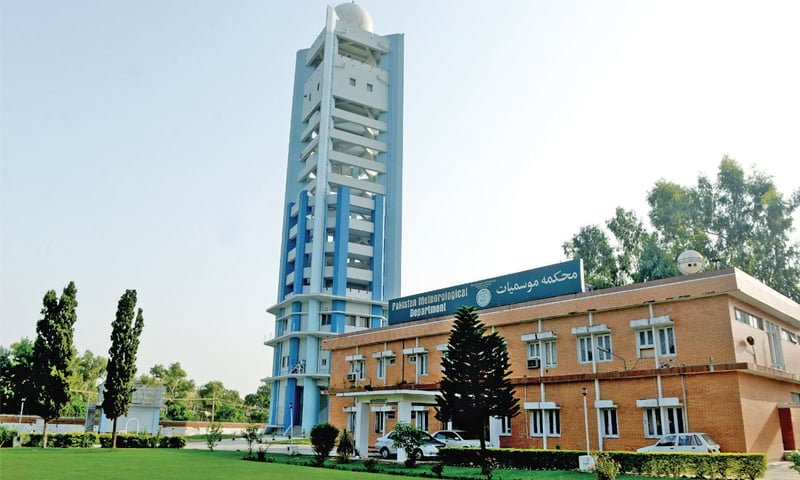
Islamabad, May 09 (Beyond Time News): The Pakistan Meteorological Department (PMD) has predicted dust storms, rain, and thunderstorms in northern parts of the country from May 10 to May 12. A fresh westerly weather system has entered the region and will influence conditions over the coming days.
According to Beyond Time News, the system entered northwestern areas on Saturday. It is expected to remain active until the night of May 12 and will bring intermittent rain along with strong winds.
Areas Likely to Experience Bad Weather
In Khyber Pakhtunkhwa, several districts including Chitral, Swat, Dir, Kalam, Shangla, Buner, Kohistan, Malakand, Abbottabad, Peshawar, and Kohat will receive rain and thunderstorms starting May 10 evening.
For Punjab and Islamabad, weather activity will affect Murree, Rawalpindi, Lahore, Faisalabad, Sialkot, Gujranwala, Chakwal, and nearby areas. These regions may experience windstorms along with rainfall during the forecast period.
In Gilgit-Baltistan, rain and thunderstorms are expected in Skardu, Hunza, Gilgit, Astore, and Diamer. At the same time, Azad Jammu and Kashmir will likely receive rainfall in Neelum Valley, Muzaffarabad, Poonch, Bagh, Kotli, and Mirpur between May 11 and May 13.
Read more:PDMA Punjab Issues Heatwave and Rainfall Alert, Warns of Above-Normal Temperatures Across Province
Conditions and Expected Impact
The PMD says this weather system will reduce the ongoing heat in northern Pakistan. However, it also warns that strong winds and lightning could damage weak structures, including billboards, electric poles, and solar panels.
According to Beyond Time News, farmers should carefully plan wheat harvesting activities because dust storms and rain may disrupt field operations.
Safety Advisory for Public
Authorities have warned of possible landslides in mountainous areas of Khyber Pakhtunkhwa, Gilgit-Baltistan, and Kashmir.
Travelers and tourists should avoid unnecessary travel during the forecast period. Officials have also urged local administrations to remain alert and take safety measures to prevent any damage or emergencies.