Incomplete infrastructure and delayed projects continue to affect waste management system
SRINAGAR: Indian illegally occupied Jammu and Kashmir is generating more than 1,550 tonnes of municipal solid waste every day, but a large portion still remains untreated due to delays in waste management projects and infrastructure shortages.
According to Beyond Time News, the details were submitted before India’s National Green Tribunal in an official affidavit related to the implementation of Solid Waste Management Rules, 2016.
Large Amount of Waste Still Untreated
The report stated that around 1,530 tonnes of waste are collected and transported daily across the region.
However, only about 1,027 tonnes are scientifically processed, leaving nearly 352 tonnes untreated every day.
Officials admitted that several waste management projects remain incomplete or non-functional.
Srinagar and Jammu Generate Highest Waste
According to Beyond Time News, Srinagar produces the highest amount of waste at nearly 550 tonnes per day.
Jammu follows with around 380 tonnes daily.
Waste processing facilities are currently operating at Achan in Srinagar and Kot Bhalwal in Jammu.
Smaller Towns Face Major Challenges
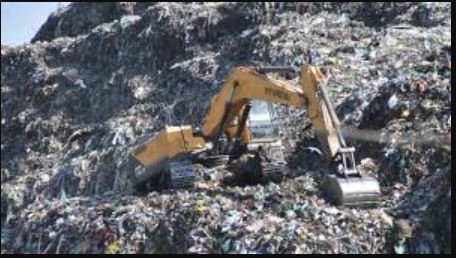
Several towns, including Bandipora, Langate, Pattan, Uri, and Frisal, reportedly continue using local dumping sites because proper treatment facilities are either incomplete or not operational.
Officials said some projects faced delays due to tender issues, land allocation problems, and local opposition.
In Frisal, authorities stated that work was halted because of public interference, while floods reportedly damaged a waste disposal site in R S Pura.
Read more:Congress Slams Bureaucratic Rule in IIOJK, Demands Restoration of Statehood
Lack of Modern Recycling Facilities
The administration also admitted that the region currently lacks dedicated RDF pellet or briquette plants used for processing combustible waste.
Instead, combustible material is being stored in loose form at dumping sites.
According to Beyond Time News, the report highlighted continued dependence on outdated dumping methods and slow progress in modern waste management infrastructure.