
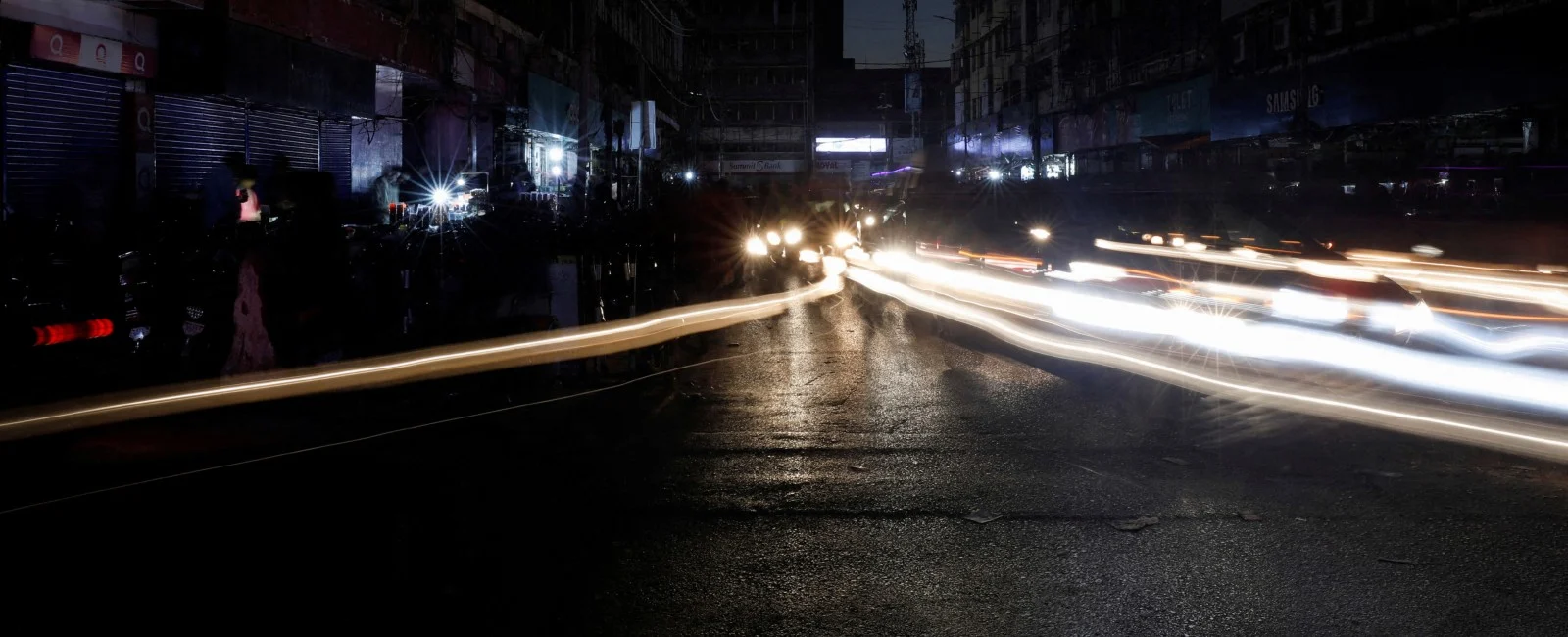
Karachi — Frequent and unexpected power outages continue to disrupt life in parts of Karachi, leaving residents struggling with more than just inconvenience. Beyond the darkness, people are reporting rising stress, disturbed sleep patterns, and growing pressure on family and work routines as electricity breakdowns persist in the city.
According to Beyond Time News, the ongoing loadshedding and sudden power failures are increasingly affecting households in both scheduled and unscheduled ways, making daily life unpredictable and mentally exhausting for many citizens.
Life Comes to a Standstill During Power Cuts
In several neighborhoods of Karachi, the first sign of a power outage is often subtle. Fans slow down, lights flicker, and within moments, entire homes fall into silence. What may seem like a brief interruption often turns into long, uncertain hours without electricity.
For families, this means halted routines. Cooking becomes difficult, water supply systems are affected, and children find it hard to study in the heat and darkness. Even simple tasks like charging phones or staying connected become a challenge.
Many residents say that the problem is not just the outage itself, but the lack of predictability. Not knowing when electricity will return creates constant uncertainty in daily planning.
Rising Stress and Mental Fatigue Among Residents
Beyond physical discomfort, the emotional impact of repeated power failures is becoming more visible. Residents report increased irritability, frustration, and mental fatigue due to disrupted sleep and uncomfortable living conditions.
Night-time outages are particularly difficult. Without fans or cooling systems, many people struggle to sleep in Karachi’s warm and humid weather. As a result, fatigue carries into the next day, affecting work performance and productivity.
Parents also express concern about their children’s well-being, especially when study time is interrupted repeatedly. Over time, this cycle of disruption contributes to stress within households.
Work, Study, and Daily Routines Affected
Electricity breakdowns are not limited to homes—they also affect small businesses, freelancers, and students. Many people working from home face interruptions in internet connectivity and device usage, making it difficult to meet deadlines or attend online tasks.
Students preparing for exams or completing assignments are also impacted. Without stable electricity, their study schedules are frequently disturbed, forcing them to rely on alternative arrangements or adjust their routines repeatedly.
Small shop owners and local businesses report reduced productivity as cooling systems, billing machines, and other essential equipment stop working during outages.
Heat and Uncertainty Make Conditions Worse
Karachi’s weather adds another layer of difficulty. During warmer periods, the absence of fans or air conditioning quickly makes indoor conditions uncomfortable. This combination of heat and uncertainty intensifies the overall stress experienced by residents.
For many families, evenings become the most challenging time of day. As temperatures remain high and power cuts continue, people often gather outside their homes in search of cooler air, waiting for electricity to return.
Growing Concerns Over Quality of Life
Repeated outages are gradually affecting the overall quality of life in affected areas. Residents say they are forced to constantly adjust their schedules around electricity availability, which limits productivity and personal comfort.
According to Beyond Time News, citizens are increasingly calling for more stable and reliable energy solutions that can reduce the frequency of disruptions and support urban life more effectively.
While some households use backup systems like UPS devices or generators, not everyone can afford them, creating a gap between those who can manage outages and those who struggle without alternatives.
Impact on Families and Children
Families with young children face additional challenges. Parents often find it difficult to maintain routines such as study time, meal preparation, and sleep schedules when electricity is inconsistent.
Children, in particular, struggle with concentration during study hours due to heat and lack of lighting. Over time, this affects their academic consistency and overall learning environment.
Parents also report emotional stress as they try to manage household responsibilities under difficult conditions.
The Need for Long-Term Energy Stability
Experts and residents alike emphasize the need for long-term improvements in energy management and distribution systems. While short-term solutions may ease the situation temporarily, many believe that consistent planning is required to address recurring power shortages.
Improved infrastructure, better load management, and investment in sustainable energy sources are often highlighted as possible ways forward.
Until such measures are effectively implemented, residents are likely to continue facing periodic disruptions that affect both comfort and productivity.
Read more:Iran Clarifies Strait of Hormuz Policy, Says It Charges Service Fees Not Toll
Community Adaptation and Coping Strategies
Despite challenges, many Karachi residents are finding ways to adapt. Some adjust their schedules around expected outages, while others rely on alternative lighting and cooling options when possible.
Community support also plays a role, with neighbors often helping each other during longer outages. However, these coping strategies only partially ease the burden of frequent disruptions.
The overall sentiment remains one of concern, as residents hope for more reliable electricity in the future.
Conclusion
Electricity outages in Karachi are more than just a temporary inconvenience—they are a growing concern that affects mental health, productivity, and overall quality of life. As families continue to adjust their routines around unpredictable power supply, the need for lasting solutions becomes increasingly urgent.
According to Beyond Time News, addressing these challenges will require coordinated efforts aimed at improving infrastructure and ensuring more stable energy delivery for the city’s residents.
FAQs
1. Why are power outages affecting Karachi residents so much?
Frequent and unpredictable outages disrupt daily routines, sleep, work, and study, leading to stress and frustration.
2. How do power cuts impact mental health?
Lack of sleep, heat discomfort, and constant uncertainty can lead to anxiety, irritability, and mental fatigue.
3. Which areas are most affected?
Several residential and semi-urban areas of Karachi experience both scheduled and unscheduled loadshedding.
4. How do people cope with electricity breakdowns?
Residents use generators, UPS systems, and adjust routines, but not everyone can afford backup power solutions.
5. What is the long-term solution?
Experts suggest improving energy infrastructure, better planning, and investment in sustainable power sources.
Hashtags
#Karachi #Loadshedding #PowerOutage #ElectricityCrisis #PakistanNews #KarachiLife #MentalHealth #DailyNews #BeyondTimeNews