
KARACHI: Public hospitals across Karachi witnessed a significant increase in patients suffering from digestive and stomach-related illnesses during the three-day Eid ul Adha holidays, prompting health experts to urge moderation in meat consumption and better dietary habits.
According to Beyond Time News, emergency departments at major hospitals treated hundreds of patients who reported symptoms such as vomiting, diarrhoea, indigestion, and abdominal pain during the festive period.
Medical professionals linked the increase in cases to excessive meat consumption, insufficient water intake, and a lack of balanced nutrition during Eid celebrations.
Digestive Problems Increase During Eid Celebrations
Eid ul Adha, widely known as the Feast of Sacrifice, was observed across Pakistan from May 27 to May 29. During the religious festival, families traditionally prepare and consume a variety of meat-based dishes following the sacrifice of livestock.
While the celebrations bring communities together through shared meals and gatherings, health experts say overindulgence in rich foods can lead to digestive complications.
As a result, hospitals across Karachi reported a noticeable rise in patients seeking emergency treatment for stomach-related issues.
Civil Hospital Treats Hundreds of Patients
Officials at Civil Hospital Karachi reported a steady influx of patients throughout the Eid holidays.
Emergency In-charge Dr. Imran stated that more than 100 patients visited the hospital on the second day of Eid with complaints of vomiting and abdominal pain.
Furthermore, another 100-plus patients suffering from gastric and digestive disorders arrived on the third day of the holiday period.
Hospital staff remained on high alert to manage the increased patient load and ensure timely medical care.
Jinnah Hospital Also Records Surge in Cases
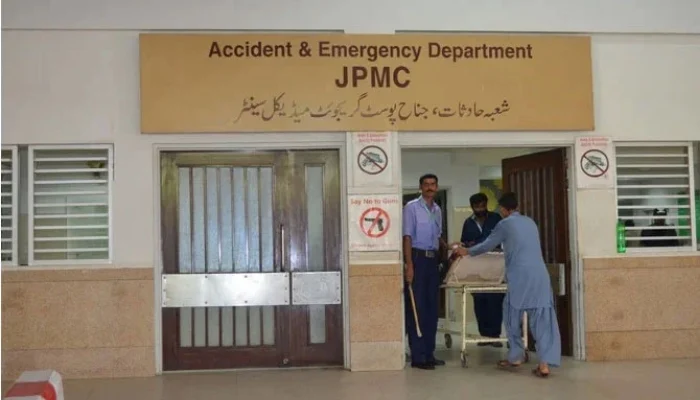
Jinnah Postgraduate Medical Centre (JPMC) experienced a similar trend during the Eid holidays.
According to Emergency In-charge Irfan Siddiqui, more than 50 patients with stomach-related ailments sought treatment on the first day of Eid alone.
He explained that many patients suffered from vomiting, diarrhoea, indigestion, and other digestive issues after consuming large quantities of meat without maintaining a balanced diet.
Additionally, reduced water consumption during extended family gatherings may have contributed to dehydration and digestive discomfort.
Read more:Ventilator Shortage Deepens Healthcare Crisis in IIOJK Hospitals
Health Experts Stress Importance of Balanced Eating
Medical specialists emphasize that meat remains an important source of protein and nutrients. However, consuming excessive amounts within a short period can place added stress on the digestive system.
Experts noted that many people significantly reduce their intake of vegetables, fruits, and fiber-rich foods during Eid, which can affect digestion and overall health.
Therefore, doctors recommend combining meat dishes with salads, vegetables, and whole foods to support proper digestion and maintain nutritional balance.
Stay Hydrated to Prevent Health Problems
Health professionals also highlighted the importance of drinking adequate water throughout the day.
Proper hydration helps the digestive system function efficiently and can reduce the risk of constipation, indigestion, and other gastrointestinal problems.
Moreover, experts advise avoiding heavy meals late at night and limiting the consumption of oily and heavily spiced foods during festive occasions.
Doctors Urge Moderation During Festive Gatherings
Medical experts encouraged citizens to enjoy Eid meals responsibly by practicing portion control and maintaining healthy eating habits.
They stressed that spreading meat consumption over several days rather than eating large quantities at once can help reduce the risk of stomach-related complications.
By following simple dietary precautions, families can celebrate Eid while protecting their health and well-being.
FAQs
Why did hospitals see more stomach illness cases during Eid ul Adha?
Doctors attribute the increase to excessive meat consumption, low water intake, and unbalanced diets during the holiday period.
What symptoms were most commonly reported?
Patients commonly experienced vomiting, diarrhoea, abdominal pain, indigestion, and other digestive issues.
Which hospitals reported an increase in cases?
Civil Hospital Karachi and Jinnah Postgraduate Medical Centre (JPMC) both reported a rise in patients with stomach-related illnesses.
How can people avoid digestive problems during Eid?
Experts recommend eating moderate portions of meat, drinking plenty of water, and including vegetables and salads in meals.
Why is hydration important during Eid?
Adequate water intake supports digestion, prevents dehydration, and helps reduce the risk of gastrointestinal discomfort.
#Karachi #EidulAdha #HealthNews #DigestiveHealth #StomachProblems #CivilHospitalKarachi #JinnahHospital #PublicHealth #HealthyEating #PakistanNews
One thought on “Karachi Hospitals Report Rise in Stomach Illness Cases During Eid ul Adha Holidays”
Comments are closed.