
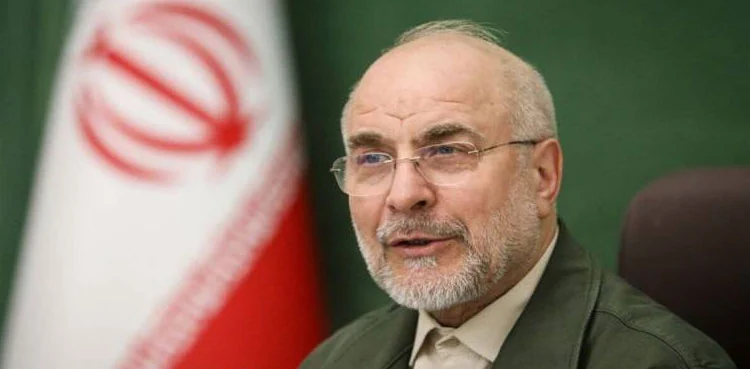
Tehran: Iran’s chief negotiator, Mohammad Bagher Ghalibaf, has declared that Tehran will not approve any agreement with the United States unless it fully protects the rights and interests of the Iranian people.
According to Beyond Time News, Ghalibaf’s remarks come amid ongoing negotiations between Iran and the United States over a proposed framework aimed at ending months of conflict and easing tensions across the Middle East.
The statement signals that despite reports of progress in diplomatic discussions, significant differences remain between the two sides on key issues, including sanctions relief, frozen Iranian assets, and regional security arrangements.
Iran Insists on Protection of National Interests
Speaking in remarks broadcast on state television, Ghalibaf stressed that Iran would carefully evaluate any proposal before agreeing to a final settlement.
He stated that Iranian negotiators would only approve a deal once they were confident that it protected the country’s national rights and interests.
The senior official also emphasized that Iran remains cautious in its dealings with Washington, reflecting long-standing tensions and decades of diplomatic mistrust between the two countries.
Political analysts believe Tehran’s latest position is intended to reassure domestic audiences that negotiators will not compromise on issues considered vital to Iran’s sovereignty and economic future.
Negotiations Continue Despite Ongoing Differences
Iran and the United States have continued exchanging proposals as both sides seek to establish a framework for a broader agreement.
The discussions aim to address several contentious issues, including Iran’s nuclear program, sanctions relief, regional stability, and maritime security.
Although officials from both countries have indicated that negotiations are moving forward, neither side has announced a final agreement.
Diplomatic observers note that complex negotiations often require multiple rounds of revisions before both parties can reach a mutually acceptable outcome.
Reports Suggest US Proposed Tougher Terms
Recent reports from international media outlets indicate that US President Donald Trump has returned a revised proposal to Iranian officials with stronger conditions.
While details of the amendments remain unclear, reports suggest that Washington seeks additional assurances on issues related to Iran’s nuclear activities and regional security concerns.
US officials have repeatedly stated that any future agreement must prevent Iran from developing nuclear weapons while ensuring long-term stability in the region.
The reported revisions may extend negotiations as both sides review and respond to the updated framework.
Sanctions Relief Remains a Key Priority for Tehran
Iran continues to view sanctions relief as one of the most important components of any agreement.
For years, economic sanctions have affected various sectors of Iran’s economy, limiting access to international financial markets and restricting trade opportunities.
Iranian officials argue that the removal of sanctions and the release of frozen financial assets are essential steps toward rebuilding economic stability and improving living conditions for citizens.
Analysts believe progress on these issues could significantly influence the outcome of the negotiations.
Frozen Assets at Center of Discussions
Another major issue involves Iranian funds frozen in overseas financial institutions.
Tehran has repeatedly called for access to these assets, viewing their release as a fundamental right and a necessary part of any comprehensive agreement.
The issue remains one of the most sensitive elements of the negotiations, as both sides continue discussions on financial arrangements and potential economic measures.
Observers say resolving the matter could help build confidence between the parties and support broader diplomatic progress.
Read more:Trump Says Iran Agrees to Reject Nuclear Weapons as Talks Move Closer to Possible Deal
Strait of Hormuz Remains Strategically Important
The strategically significant Strait of Hormuz also remains a central issue in regional discussions.
The waterway serves as one of the world’s most important energy corridors, carrying a substantial share of global oil shipments.
Since the conflict escalated earlier this year, Iran has maintained strict oversight of maritime activity in the area. Iranian officials consider management of shipping security within the strait an important national responsibility.
Global markets continue to monitor developments closely, as any disruption to traffic through the waterway can influence international energy prices and supply chains.
Regional Stability Hinges on Diplomatic Progress
The outcome of the negotiations could have far-reaching implications for the Middle East and the broader international community.
A successful agreement may help reduce regional tensions, improve economic conditions, and create opportunities for greater diplomatic engagement.
However, unresolved disagreements continue to present challenges, making the coming weeks critical for both Tehran and Washington.
Political experts believe sustained dialogue remains the most effective path toward achieving a lasting and mutually acceptable solution.
Outlook for Future Talks
Despite differences over sanctions, security concerns, and economic issues, both sides continue to engage in diplomatic efforts aimed at finding common ground.
The latest comments from Iran’s chief negotiator underscore Tehran’s determination to secure concrete guarantees before accepting any final deal.
As negotiations continue, international observers will closely watch whether both parties can bridge remaining gaps and move toward a comprehensive agreement that addresses their respective concerns.
FAQs
What did Iran’s chief negotiator say about a potential deal with the US?
Mohammad Bagher Ghalibaf said Iran will not approve any agreement unless it fully protects the rights and interests of the Iranian people.
Why are Iran and the United States holding negotiations?
The talks focus on issues such as Iran’s nuclear program, sanctions relief, regional security, and broader diplomatic relations.
What does Iran want from a future agreement?
Iran seeks sanctions relief, access to frozen financial assets, and guarantees that its national interests will be protected.
Why is the Strait of Hormuz important?
The Strait of Hormuz is one of the world’s most important oil shipping routes and plays a critical role in global energy supplies.
Has a final agreement been reached?
No. Both sides continue to exchange proposals, and negotiations remain ongoing.
#Iran #UnitedStates #MohammadBagherGhalibaf #DonaldTrump #NuclearTalks #MiddleEast #StraitOfHormuz #Diplomacy #WorldNews #InternationalRelations
One thought on “Iran Refuses US Deal Without Guarantees on National Rights, Says Chief Negotiator”
Comments are closed.