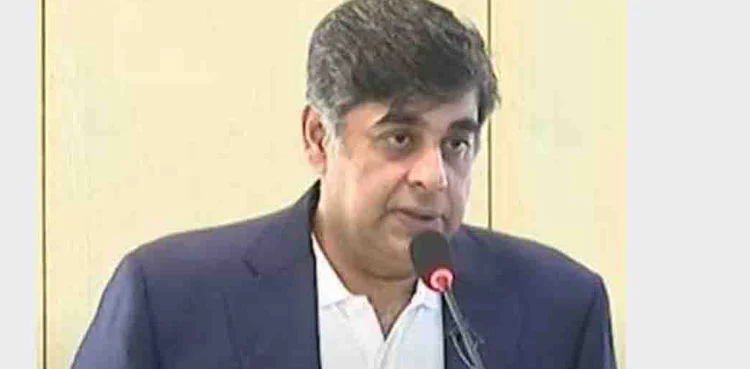
LAHORE: Former caretaker federal minister Gohar Ejaz on Monday unveiled a shadow budget ahead of Pakistan’s federal budget for FY2026-27. He proposed major tax reforms, lower government spending, and policies aimed at boosting economic growth.
According to Beyond Time News, Ejaz criticized the current budget-making process and called for greater transparency and stakeholder participation.
Gohar Ejaz Questions Budget-Making Process
While presenting his proposals, Gohar Ejaz said the government follows the same budget routine every year. He argued that officials prepare the budget behind closed doors and give Parliament very little time to review it.
Moreover, he said lawmakers receive less than two weeks to examine budget documents before approval. As a result, meaningful scrutiny becomes difficult.
He also claimed that authorities inform the business community only after they finalize major decisions. However, businesses play a key role in driving economic activity and generating jobs.
Therefore, he urged policymakers to involve stakeholders earlier in the process.
Slow Economic Growth Remains a Concern
Ejaz argued that the current economic model has failed to attract sufficient investment.
According to him, Pakistan achieved average economic growth of only around two percent during the last three years. He described this performance as inadequate for a country seeking sustainable development.
Furthermore, he said the economy needs stronger reforms to encourage investment, expand industries, and create employment opportunities.
Rising Debt Adds Pressure on Public Finances
The former minister also expressed concern over Pakistan’s growing debt burden.
He said government debt increased from approximately Rs19 trillion to nearly Rs80 trillion over the last decade. Consequently, debt repayments now consume a large share of public resources.
According to Ejaz, nearly 60 percent of the national budget goes toward debt servicing. As a result, fewer funds remain available for development projects, infrastructure, healthcare, and education.
Tax System Needs Urgent Reform
Ejaz also criticized Pakistan’s taxation structure. He argued that the system places excessive pressure on documented taxpayers, salaried employees, and registered businesses.
Meanwhile, a large portion of the undocumented economy remains outside the tax net.
He noted that tax revenues have doubled over the past five years. In addition, the tax-to-GDP ratio has reached around 10 percent. However, compliant taxpayers continue to shoulder most of the burden.
Therefore, he called for reforms that broaden the tax base and improve fairness.
Key Proposals in the Shadow Budget
Lower Income and Corporate Taxes
One of the central recommendations focuses on reducing tax rates.
Ejaz proposed cutting the maximum income tax rate from 35 percent to 20 percent. Likewise, he suggested lowering the corporate tax rate from 29 percent to 25 percent.
He believes these measures could encourage investment and improve business confidence.
Gradual Reduction in Sales Tax
In addition, he recommended reducing the sales tax rate from 18 percent to 15 percent over the next three years.
According to Ejaz, lower indirect taxes could reduce costs for businesses and consumers alike.
End the Non-Filer Category
Furthermore, the shadow budget recommends abolishing the non-filer category.
He argued that this step would encourage greater documentation of the economy and improve tax compliance.
Set FBR Target at Rs14.5 Trillion
Despite proposing lower tax rates, Ejaz recommended setting the Federal Board of Revenue (FBR) collection target at Rs14.5 trillion.
He believes better compliance and wider participation can help achieve this goal.
Plans to Reduce Government Spending
The shadow budget also includes several proposals to reduce public expenditure.
Ejaz suggested cutting government spending by Rs3 trillion to Rs4 trillion. Additionally, he proposed repaying expensive loans to ease future financial pressure.
His recommendations also include:
- Stopping the creation of new government departments.
- Transferring devolved institutions to provincial governments.
- Expanding the use of single treasury accounts.
- Preventing government funds from remaining in commercial banks.
According to him, these measures could improve efficiency and strengthen fiscal discipline.
Read more:Govt Plans Major Property Tax Relief in Upcoming Budget
Call for Broader Financial Reforms
Ejaz stressed that Pakistan needs deeper structural reforms to achieve long-term economic stability.
In particular, he highlighted the importance of a new National Finance Commission (NFC) Award. He argued that meaningful financial reforms will remain difficult without revisiting resource-sharing arrangements between the federation and provinces.
Moreover, he insisted that the figures presented in the shadow budget reflect economic realities and deserve serious consideration.
Business Community Seeks Greater Consultation
Finally, Gohar Ejaz urged the government to engage more actively with the business community during budget preparations.
He warned that decisions made without consultation often create uncertainty for investors and businesses. Therefore, he called on policymakers to review the shadow budget proposals carefully before finalizing the federal budget for FY2026-27.
FAQs
What is a shadow budget?
A shadow budget is an alternative financial plan that experts or policy groups present before the government’s official budget announcement.
What tax cuts did Gohar Ejaz propose?
He proposed reducing the income tax rate from 35% to 20% and lowering the corporate tax rate from 29% to 25%.
Why did Gohar Ejaz criticize the budget process?
He said the government prepares budgets with limited transparency and provides insufficient time for parliamentary review.
What spending cuts does the shadow budget recommend?
The proposals include reducing government expenditure, repaying costly loans, limiting new departments, and improving treasury management.
What FBR target did Gohar Ejaz suggest?
He recommended setting the FBR tax collection target at Rs14.5 trillion.
#GoharEjaz #ShadowBudget2026 #PakistanBudget #BudgetFY202627 #TaxReforms #PakistanEconomy #FiscalPolicy #FBR #EconomicGrowth #BusinessNews