
Engaging Introduction
Tehran has urged the United Nations Security Council to move beyond statements of concern and take concrete action against Israel as fighting in Lebanon continues to escalate. The call comes amid ongoing Israeli strikes, growing regional tensions, and renewed uncertainty surrounding diplomatic efforts involving the United States, Iran, Lebanon, and Hezbollah.
Iran Demands Stronger UN Action
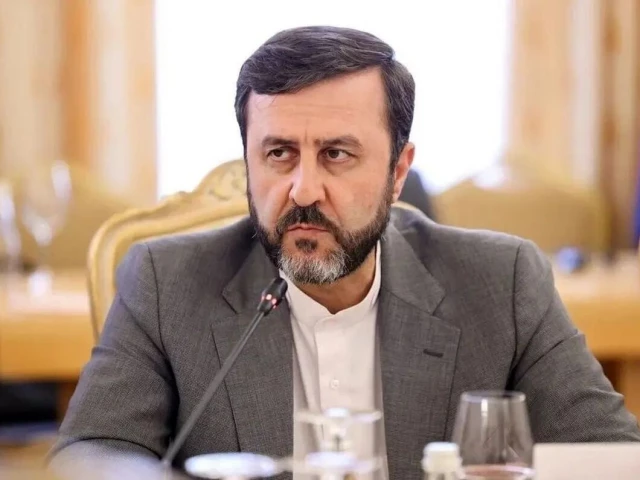
Tehran, Iran: Iran’s Deputy Foreign Minister for Legal and International Affairs, Kazem Gharibabadi, has called on the UN Security Council to impose binding measures against Israel rather than limiting its response to condemnations.
According to Beyond Time News, Gharibabadi said the current crisis in the Middle East stems from what he described as Israel’s repeated violations of sovereignty, ceasefire agreements, and international law.
In a statement shared on social media platform X, he argued that simple expressions of concern have failed to stop the violence. He urged the Security Council to adopt stronger decisions capable of holding Israel accountable.
Gharibabadi also questioned Washington’s role in the conflict. Referring to recent remarks by US President Donald Trump, he claimed that the ability to halt a major military operation through a single phone call highlighted America’s influence over Israeli actions.
Lebanon Announces Limited Ceasefire
Meanwhile, Lebanon announced a partial ceasefire arrangement between Israel and Hezbollah. The agreement aims to reduce tensions but falls short of ending the conflict entirely.
Under the reported understanding, Israel would refrain from launching strikes on Beirut and its southern suburbs. In return, Hezbollah would suspend attacks targeting Israeli territory.
However, fighting continued in southern Lebanon despite the announcement. Israeli forces reported intercepting projectiles launched from Lebanon, while military operations remained active near the border.
Trump stated that Hezbollah had signaled its willingness to halt attacks through intermediaries. He also claimed Israeli Prime Minister Benjamin Netanyahu agreed to stop any planned military advance toward Beirut.
Despite those comments, Netanyahu later reaffirmed that Israel would continue operations in southern Lebanon and respond to any attacks against its citizens.
Fresh Israeli Strikes Reported Across Lebanon
Violence continued across several parts of Lebanon on Tuesday as Israeli strikes reportedly killed multiple people.
Local media reported that an Israeli drone strike hit a vehicle in southern Lebanon, killing a dentist and his two children. Additional attacks targeted vehicles, motorcycles, and civilian areas in different towns.
Furthermore, airstrikes damaged residential properties and infrastructure. A civil defense facility in Kfar Sir also suffered significant destruction after an Israeli attack.
Medical officials reported that casualties from previous strikes continued to rise. Several hospitals and healthcare facilities have also suffered damage during recent weeks of fighting.
France Criticizes Continued Israeli Military Presence
France has joined growing international calls for restraint.
French Foreign Minister Jean-Noel Barrot said no justification exists for a prolonged Israeli military presence inside Lebanese territory. He stressed that military operations risk undermining diplomatic efforts and increasing instability throughout the region.
France has repeatedly supported a broader ceasefire and a political solution to prevent further escalation.
Iran Links Lebanon Conflict to Wider Peace Talks
Iran continues to insist that any long-term agreement with the United States must address the situation in Lebanon.
Foreign Minister Abbas Araghchi stated that any ceasefire involving Iran should apply across all regional fronts, including Lebanon. Tehran argues that ongoing attacks undermine trust and complicate negotiations.
At the same time, reports suggest Iran has not yet responded to a recent US peace proposal. Officials reportedly continue to review the framework while expressing concerns about previous American commitments.
According to Iranian sources, distrust remains a major obstacle to progress in negotiations.
Regional Powers Express Concern
The conflict has also drawn reactions from Gulf countries.
Anwar Gargash, adviser to the President of the United Arab Emirates, called for respect for national sovereignty and non-interference in regional affairs. He argued that long-term stability depends on cooperation and mutual respect among neighboring states.
Meanwhile, Iranian lawmakers and officials have emphasized national unity, urging political factions to avoid internal divisions during a period of heightened regional tension.
Hezbollah Drone Operations Raise Israeli Concerns
Israeli military officials have reportedly become increasingly concerned about Hezbollah’s growing drone capabilities.
Recent reports indicate that Hezbollah successfully used first-person-view (FPV) drones during nighttime operations, resulting in casualties among Israeli forces.
Military analysts believe these developments could signal improvements in Hezbollah’s operational capabilities. As a result, Israeli forces have reportedly adjusted tactics and reduced reliance on certain heavy military vehicles that may become vulnerable targets.
Read more:Iran Links US Peace Deal to Lebanon Ceasefire as Regional Tensions Escalate
Oil Markets React to Escalating Tensions
The ongoing conflict continues to impact global energy markets.
Investors remain concerned about potential disruptions to critical shipping routes, including the Strait of Hormuz and the Bab al-Mandab Strait. Consequently, oil prices rose as traders assessed the risks associated with a broader regional confrontation.
Economic analysts warn that any further escalation could increase pressure on global energy supplies and contribute to market volatility.
A Region Facing Growing Uncertainty
As diplomatic efforts continue, the situation across Lebanon and the wider Middle East remains highly fragile. Although discussions about ceasefires and peace proposals continue behind the scenes, ongoing military operations threaten to derail progress.
Iran, Lebanon, and several international actors are now pushing for stronger diplomatic intervention. However, with violence continuing on the ground, achieving a lasting resolution remains a significant challenge.
FAQs
Why is Iran calling for UN action against Israel?
Iran argues that condemnations alone have failed to stop military operations and wants the UN Security Council to adopt binding measures against Israel.
What does the partial ceasefire between Israel and Hezbollah involve?
The reported arrangement calls for Israel to avoid strikes on Beirut and its suburbs while Hezbollah suspends attacks on Israeli territory.
Has the fighting in Lebanon stopped?
No. Despite the partial ceasefire announcement, military operations and attacks continue in several areas of southern Lebanon.
How are the tensions affecting peace talks between Iran and the US?
Iran says developments in Lebanon directly affect negotiations and has linked regional stability to broader diplomatic discussions.
Why are global oil prices rising?
Investors fear that escalating tensions could disrupt major shipping routes and energy supplies, leading to uncertainty in global markets.
#Iran #Lebanon #Israel #UNSecurityCouncil #MiddleEastCrisis #Hezbollah #Tehran #DonaldTrump #GlobalPolitics #InternationalRelations #OilPrices #RegionalSecurity #BeyondTimeNews

One thought on “Iran Calls on UN Security Council to Take Action Against Israel as Lebanon Violence Intensifies”
Comments are closed.