Tehran/Beirut/Washington – The Middle East continues to face heightened tensions as Iran warns against internal divisions, while Lebanon and Israel move forward with a fragile US-mediated ceasefire framework that includes new security arrangements in southern Lebanon. Meanwhile, violence and political friction persist across multiple fronts despite ongoing diplomatic efforts.
According to Beyond Time News, the latest developments reflect an increasingly complex regional situation where negotiations and military activity are unfolding simultaneously.
Iran Warns Against Internal Divisions
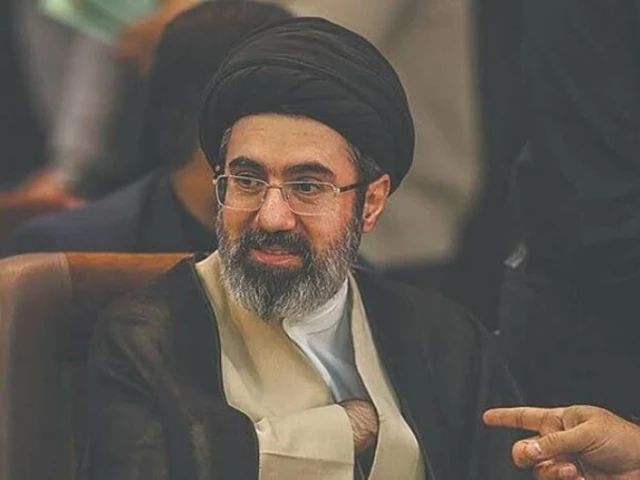
Iran’s Supreme Leader Mojtaba Khamenei has warned that external adversaries, after battlefield setbacks, are now attempting to weaken the country by creating internal divisions and public unrest.
In a message delivered during ceremonies marking the anniversary of the death of Islamic Republic founder Ruhollah Khomeini, he called for national unity and urged citizens to avoid actions that could fuel pessimism or frustration.
He stressed that internal discord, in his view, serves the interests of Iran’s enemies and weakens national resilience.
Lebanon and Israel Advance Ceasefire Plan
Lebanon and Israel, through US-mediated talks, have agreed to renew a fragile ceasefire and establish “pilot zones” where the Lebanese Armed Forces would take exclusive control.
The plan aims to exclude all non-state armed actors from designated areas, particularly in southern Lebanon, as part of a phased security arrangement.
The agreement conditions the ceasefire on a complete halt in Hezbollah fire and withdrawal from areas south of the Litani River.
Both sides also discussed broader steps toward a long-term security framework.
Continued Violence Despite Diplomatic Efforts
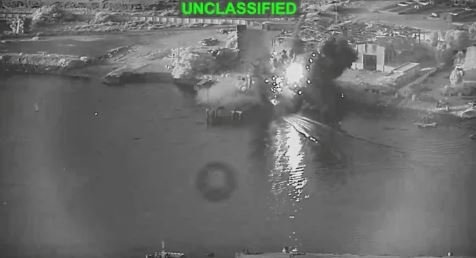
Despite diplomatic progress, clashes and strikes continue. Israeli forces have carried out near-daily operations in Lebanon, while cross-border attacks and interceptions have been reported from both sides.
In southern Lebanon, an Israeli strike on a medical team killed a paramedic and injured another, according to the Health Ministry, which said attacks on medical facilities have continued amid ongoing hostilities.
The conflict has resulted in significant casualties, with Lebanese authorities reporting thousands of deaths and injuries since the escalation of violence.
Israel Maintains Strong Security Stance
Israeli officials have described the US-brokered arrangement as a major security achievement, insisting it ensures operational freedom to respond to threats, including potential strikes on Beirut if required.
Some Israeli leaders have called for strict enforcement of the ceasefire terms, particularly regarding the disarmament of Hezbollah and its withdrawal from southern Lebanon.
Others have expressed skepticism, warning that any partial implementation could strengthen Hezbollah over time.
Khamenei Signals “New Gulf Chapter” as Iran-US Tensions Escalate Over Hormuz
Wider Regional Impact and US Involvement
The situation remains closely tied to broader regional tensions involving Iran and the United States. Washington continues to push for separate diplomatic tracks, while Iran maintains that the conflicts are interconnected.
In the US, lawmakers are also debating war powers and executive authority as concerns grow over prolonged military engagement in the region.
Conclusion
The Middle East remains on a fragile edge, with diplomatic efforts to stabilize Lebanon-Israel relations unfolding alongside ongoing violence and rising regional tensions involving Iran. While ceasefire arrangements signal cautious progress, the situation on the ground remains volatile and uncertain.
FAQs
1. What is Iran warning about?
Iran has warned against internal divisions, saying enemies are trying to weaken national unity.
2. What agreement did Lebanon and Israel reach?
They agreed on a ceasefire framework with “pilot zones” under Lebanese army control.
3. Is the ceasefire holding?
No, clashes and strikes are still being reported despite negotiations.
4. What is happening in southern Lebanon?
Continued Israeli strikes and cross-border violence have been reported.
5. Why is the US involved?
The US is mediating talks and engaging in broader regional diplomatic efforts.