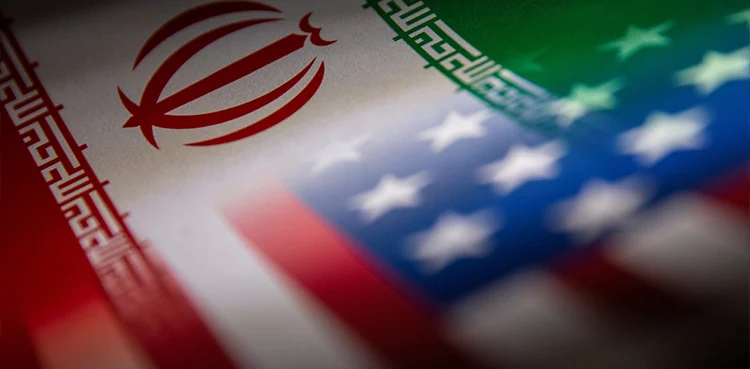
Washington: The United States is reportedly examining ways to redirect Iranian assets to fund reconstruction efforts in Gulf countries, following ongoing damage linked to Iranian strikes across the region.
According to Beyond Time News, a source familiar with the matter said the US is assessing the cost of destruction in allied Gulf states and exploring whether Iranian financial assets could be used for repair and rebuilding efforts.
The move comes as tensions between the United States and Iran continue to rise, with both sides exchanging strikes and accusations while broader peace talks remain stalled.
US Assesses Damage in Gulf States
The US Treasury Department, led by Secretary Scott Bessent, has reportedly instructed officials to evaluate the extent of damage caused by Iranian attacks on US-aligned Gulf nations.
Moreover, the review is not limited to frozen Iranian funds. The source indicated that Washington is also considering broader Iranian-linked assets as part of potential compensation mechanisms.
However, officials have not clarified which specific assets are under review or how they might be legally redirected.
Escalating Military Exchanges in the Region
Tensions intensified further over the weekend as military operations continued across multiple fronts.
The US military claimed it shot down two Iranian attack drones that were heading toward sensitive maritime routes. In addition, US Central Command reported further drone interceptions in the Strait of Hormuz.
Meanwhile, Iran reportedly launched strikes targeting Kuwait and Bahrain, which triggered air defense responses in both countries. Kuwait said it intercepted several missiles that passed over residential areas, while Bahrain also activated emergency alerts as sirens sounded across parts of the country.
Iran later claimed responsibility for attacks on US-linked bases in both Kuwait and Bahrain. However, US officials said most incoming missiles were intercepted, and others failed to reach their targets.
Diplomatic Efforts Struggle to Progress
Despite rising tensions, diplomatic engagement has continued in limited form.
Iran has demanded access to billions of dollars in frozen assets and relief from sanctions as part of any potential agreement. However, negotiations between Washington and Tehran appear to have stalled.
Meanwhile, regional diplomatic activity has continued behind the scenes. Interior Minister Mohsin Naqvi recently visited Tehran and delivered a letter addressed to Iran’s supreme leadership, according to Iranian media reports.
Strait of Hormuz Remains a Flashpoint
The Strait of Hormuz has emerged as a central point of concern in the ongoing conflict.
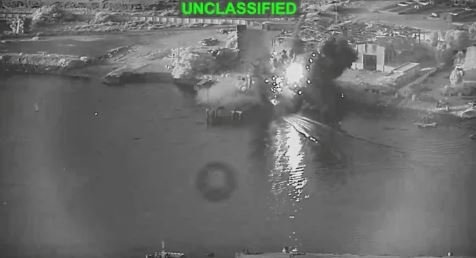
US forces said they struck Iranian radar installations near Goruk and Qeshm Island after identifying threats to maritime traffic. Additionally, US officials reported the interception of drones believed to pose risks to shipping routes in the region.
Iran has responded by increasing pressure in the waterway, which handles nearly a fifth of global oil shipments. Analysts warn that continued instability could further disrupt global energy markets.
Oil Markets React to Rising Tensions
The conflict has already contributed to volatility in global oil prices.
OPEC+ members are preparing to meet on Sunday to discuss a possible increase in production targets for a fourth consecutive month. However, ongoing conflict has already restricted output in several member states.
Energy analysts say the situation continues to fuel uncertainty in global supply chains, especially as tensions affect key export routes.
Read more:US Says It Shot Down Iranian Drones Near Strait of Hormuz as Regional Tensions Escalate
Broader Regional Impact
Beyond the Gulf, the conflict has also affected neighboring regions. Reports indicate continued cross-border incidents involving Israel and Lebanon, further highlighting the widening scope of instability.
As military activity expands and diplomatic negotiations stall, concerns are growing over the risk of a prolonged regional confrontation.
Outlook Remains Uncertain
For now, both Washington and Tehran continue to signal openness to negotiations while simultaneously escalating military and economic pressure.
However, with asset disputes, maritime security concerns, and stalled diplomacy all intersecting, the path toward de-escalation remains uncertain.
FAQs
What are the US plans regarding Iranian assets?
The US is reportedly exploring using Iranian assets to fund reconstruction in Gulf states affected by regional conflict.
Which Gulf countries are affected by the conflict?
Reports mention Kuwait and Bahrain as key locations targeted in recent strikes and counterstrikes.
What is the Strait of Hormuz significance?
It is a major global oil shipping route, handling about one-fifth of global oil trade.
Are US-Iran peace talks ongoing?
Yes, but officials say negotiations have stalled due to unresolved issues and ongoing hostilities.
How has the conflict impacted oil prices?
Rising tensions have contributed to global oil price increases and market instability.
#USIranTensions #MiddleEastConflict #OilPrices #GulfRegion #StraitOfHormuz #BreakingNews #GlobalPolitics #EnergyCrisis #InternationalNews #BeyondTimeNews