Islamabad: Diplomatic Breakthrough Expected as Washington and Tehran Move Closer to Ending Months of Conflict
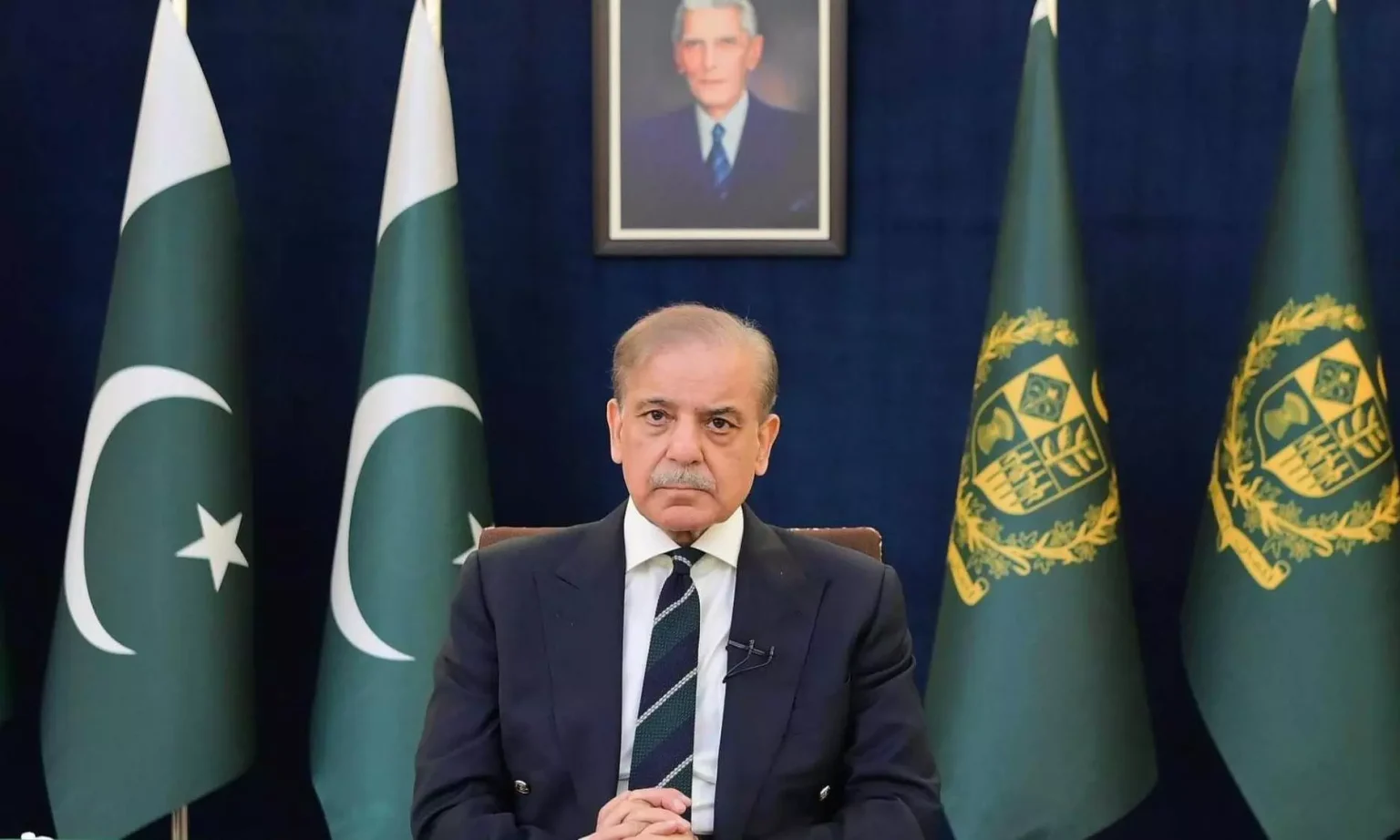
A significant diplomatic breakthrough may be imminent in the Middle East as the United States and Iran appear poised to finalize an initial peace agreement aimed at ending months of military confrontation and regional instability. Prime Minister Shehbaz Sharif announced on Saturday that Pakistan is preparing for the electronic signing of a preliminary peace deal, which could take place within the next 24 hours.
The development marks one of the most important diplomatic efforts in the region in recent years, raising hopes for a reduction in tensions that have disrupted global energy markets, affected regional security, and caused widespread humanitarian suffering.
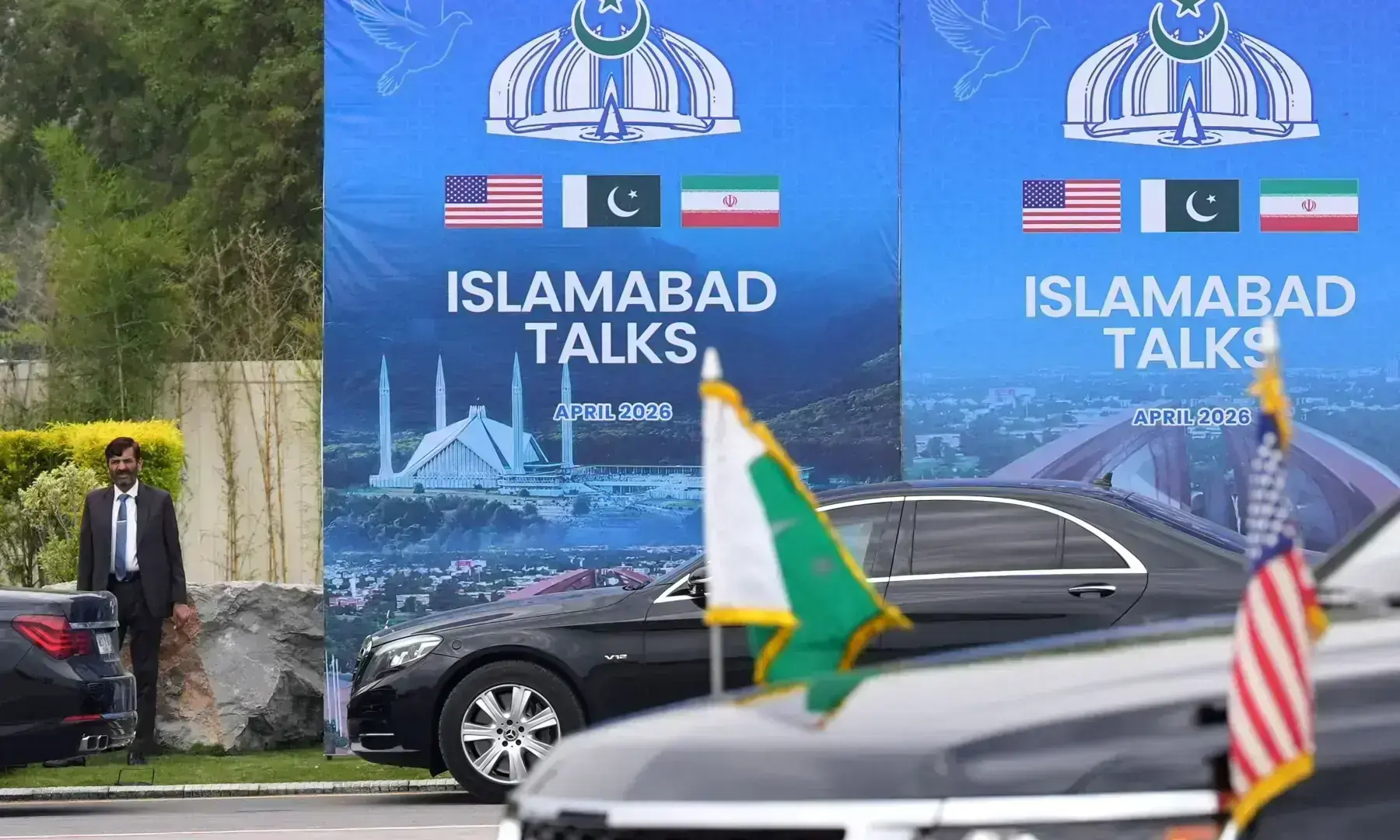
According to Beyond Time News, Pakistan has played an active mediating role throughout the conflict, facilitating communication and negotiations between Washington and Tehran as both sides seek a pathway toward de-escalation.
Pakistan Signals Confidence in Peace Process
Prime Minister Shehbaz Sharif expressed optimism about the progress achieved through diplomatic channels, stating that preparations are underway for the electronic endorsement of the agreement once final details are completed.
The premier indicated that technical-level discussions would follow shortly after the signing, allowing both sides to address implementation mechanisms and long-term commitments.
The anticipated agreement is being viewed as a foundation for broader negotiations that could help stabilize the region and prevent further escalation between the two countries.
Pakistan’s diplomatic engagement has received international attention due to its efforts to encourage dialogue during a period marked by military strikes, retaliatory actions, and growing concerns over regional security.
Conflict Created Regional and Global Challenges
The conflict intensified earlier this year following military strikes targeting Iranian facilities, triggering a series of retaliatory actions that quickly expanded tensions across the Middle East.
Iran responded by launching attacks against American military installations in the Gulf region while also taking measures that affected maritime traffic through the Strait of Hormuz, one of the world’s most strategically important shipping routes.
The disruption of shipping activity in the area created significant uncertainty in global energy markets. Oil prices surged as traders and governments monitored developments closely, fearing prolonged instability in a corridor through which a substantial portion of the world’s energy supplies pass each day.
Beyond economic consequences, the conflict also resulted in considerable human suffering. Thousands of people were reportedly killed or injured across affected regions, while communities faced displacement, infrastructure damage, and heightened security concerns.
Key Elements of the Proposed Agreement
According to Beyond Time News, the preliminary memorandum under discussion contains several measures designed to restore stability and create conditions for broader negotiations.
Among the most significant provisions is the reopening of the Strait of Hormuz, a move expected to ease pressure on international shipping routes and help stabilize energy markets.
The proposal also reportedly includes steps toward lifting restrictions that have limited Iran’s access to international trade and financial resources. Sources familiar with the discussions suggest that frozen Iranian assets worth billions of dollars could gradually become accessible under agreed conditions.
These economic measures are intended to build confidence between both parties and create an environment conducive to continued diplomatic engagement.
The agreement is being described as an initial framework rather than a final settlement, meaning that several critical issues remain subject to future negotiations.
Nuclear Programme Remains Central Issue
One of the most sensitive aspects of the ongoing discussions involves Iran’s nuclear programme.
According to Beyond Time News, negotiators are considering a structured timeline that would allow both sides to engage in detailed talks over the coming weeks and months.
Reports indicate that a proposed 60-day negotiation period could be established to address concerns surrounding uranium enrichment, monitoring mechanisms, and long-term compliance measures.
The United States has maintained that preventing nuclear weapons development remains a primary objective of its policy toward Iran. American officials reportedly believe that the current framework provides a strong basis for achieving those goals through diplomacy.
However, Iranian officials have signaled that while they are willing to discuss various aspects of their nuclear activities, they seek arrangements that preserve certain elements of their programme under internationally accepted conditions.
These differing positions highlight the complexity of the negotiations and explain why experts caution that substantial work remains even if the initial agreement is signed.
Economic Impact Could Be Significant
Financial analysts and energy experts are closely monitoring developments because the proposed agreement could have far-reaching economic implications.
The reopening of maritime routes through the Strait of Hormuz would likely reduce uncertainty in global energy markets and improve the flow of oil and gas exports from the region.
Lower geopolitical risk could help stabilize fuel prices, reduce shipping costs, and improve confidence among investors concerned about prolonged instability.
For countries heavily dependent on imported energy resources, any improvement in regional security could provide economic relief and support broader market stability.
International businesses involved in transportation, logistics, and energy production are expected to benefit from reduced disruptions if the agreement proceeds as planned.
Read more:Pakistan Signals Breakthrough as US-Iran Peace Deal Nears Finalization
Diplomatic Challenges Still Remain
Despite growing optimism, diplomats acknowledge that several issues continue to require careful negotiation.
Differences remain regarding the future of Iran’s enriched uranium stockpiles, sanctions relief mechanisms, and broader security concerns affecting the region.
There have also been conflicting accounts regarding discussions on missile-related policies and possible compensation measures linked to the conflict.
These unresolved questions demonstrate that while an initial agreement may represent meaningful progress, achieving a comprehensive and lasting settlement will require sustained diplomatic engagement.
Analysts note that peace agreements often evolve through multiple stages, beginning with confidence-building measures before advancing toward more detailed and legally binding commitments.
International Community Watching Closely
Governments around the world are observing the negotiations with considerable interest due to the strategic importance of both countries and the broader implications for international security.
A successful agreement could help reduce tensions across the Middle East, improve economic stability, and create opportunities for expanded diplomatic cooperation.
Regional stakeholders have consistently emphasized the importance of dialogue, warning that prolonged conflict could increase risks to trade, security, and humanitarian conditions.
The current momentum has generated cautious optimism among observers who view diplomacy as the most effective path toward sustainable peace.
A Critical Moment for Regional Stability
The expected signing of an initial US-Iran peace agreement represents a potentially historic step toward ending a conflict that has affected millions of people and influenced global markets.
While significant challenges remain and many details still require negotiation, the willingness of both sides to engage in direct diplomatic efforts reflects a notable shift from confrontation toward dialogue.
Pakistan’s role in facilitating communication has placed it at the center of an important peace initiative that could shape the future of regional relations.
As negotiators work to finalize the agreement, the international community will be watching closely to see whether this breakthrough can pave the way for a broader and more durable peace process in the Middle East.
FAQs
1. What is the proposed US-Iran peace agreement?
The proposed agreement is an initial framework aimed at reducing tensions between the United States and Iran, reopening key shipping routes, and creating conditions for further diplomatic negotiations.
2. What role is Pakistan playing in the negotiations?
Pakistan has been acting as a mediator, facilitating communication and diplomatic engagement between Washington and Tehran during the peace process.
3. Why is the Strait of Hormuz important?
The Strait of Hormuz is one of the world’s most important energy shipping routes, carrying a significant share of global oil and gas exports.
4. Will the agreement address Iran’s nuclear programme?
Yes. The proposed framework includes plans for separate negotiations focused on Iran’s nuclear activities and related international concerns.
5. How could the agreement affect global markets?
A successful agreement could improve energy supply stability, reduce geopolitical uncertainty, and help stabilize international oil prices.
Hashtags
#USIranPeaceDeal #MiddleEastNews #PakistanDiplomacy #ShehbazSharif #IranNuclearTalks #StraitOfHormuz #GlobalEnergyMarkets #InternationalRelations #PeaceNegotiations #WorldNews #Geopolitics #BreakingNews