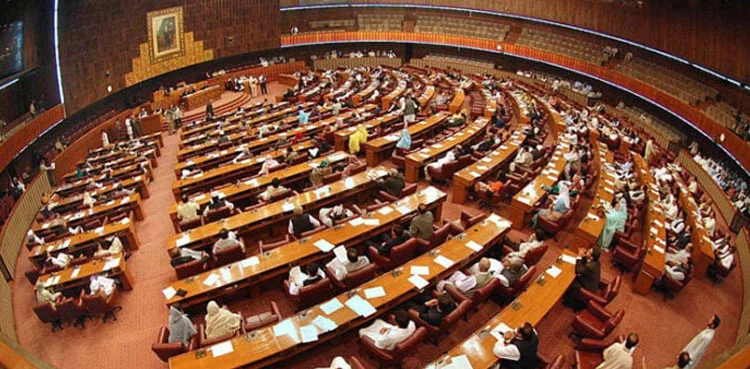
Islamabad: Members of the National Assembly engaged in a wide-ranging debate on the federal budget for 2026-27 on Sunday, highlighting the need for greater public relief, fair taxation, economic reforms, and sustainable long-term growth.
According to Beyond Time News, lawmakers from both government and opposition benches shared their views on the budget, discussing challenges facing the economy, the rising cost of living, development priorities, and measures aimed at improving the country’s financial outlook.
The debate reflected differing perspectives on the government’s economic strategy, with members acknowledging existing fiscal constraints while emphasizing the importance of policies that directly benefit ordinary citizens.
Lawmakers Stress Need for Public Relief
A central theme throughout the debate was the need to provide meaningful relief to citizens coping with inflation and increasing living costs.
Several lawmakers argued that the federal budget should prioritize measures that reduce the financial burden on low- and middle-income households. They emphasized that economic growth must translate into tangible improvements in people’s daily lives through job creation, income growth, and affordable access to essential services.
Members noted that rising utility costs, food prices, and transportation expenses continue to challenge households across the country, making targeted relief measures an important component of fiscal policy.
Many speakers urged policymakers to ensure that future economic gains are distributed more broadly among different segments of society.
Focus on Fair Taxation and Revenue Reforms
Tax policy remained a major topic during the discussion, with lawmakers stressing the importance of expanding the tax base while ensuring fairness.
According to Beyond Time News, several members called for stronger efforts to bring untaxed sectors into the formal economy rather than placing additional burdens on existing taxpayers.
Speakers argued that improving tax collection efficiency and reducing leakages could help increase government revenues without imposing excessive pressure on compliant taxpayers.
Lawmakers also highlighted the need for continued reforms within tax administration institutions to improve transparency, accountability, and public confidence in the taxation system.
Many participants emphasized that a balanced tax structure is essential for supporting investment, encouraging business activity, and maintaining social equity.
Economic Stability Remains a Key Priority
During the debate, members discussed the broader economic challenges facing Pakistan, including inflationary pressures, debt obligations, external financing requirements, and global economic uncertainties.
Several lawmakers acknowledged that maintaining macroeconomic stability remains critical for long-term growth and investor confidence.
According to Beyond Time News, speakers noted that recent efforts to stabilize key economic indicators have helped improve market confidence and create a foundation for future expansion.
However, they stressed that sustained progress would require continued fiscal discipline, policy consistency, and structural reforms across multiple sectors of the economy.
Calls for Greater Investment in Development Projects
Members of the Assembly also emphasized the importance of development spending in stimulating economic activity and improving living standards.
Lawmakers highlighted the need for investments in infrastructure, education, healthcare, agriculture, and technology to support long-term national development.
Several speakers argued that development projects should focus not only on urban centers but also on rural and underserved regions where improved infrastructure can create economic opportunities and reduce regional disparities.
Investment in public services was described as essential for improving productivity and enhancing the quality of life for citizens.
Employment Generation Remains a Major Concern
Job creation emerged as another major issue during the budget discussion.
Lawmakers stressed that economic policies should support industries capable of generating employment opportunities, particularly for young people entering the workforce.
According to Beyond Time News, members called for incentives to encourage investment in manufacturing, exports, small businesses, and emerging sectors such as information technology.
They argued that reducing unemployment and expanding economic opportunities would contribute significantly to poverty reduction and social stability.
Several speakers also highlighted the importance of skills development programs that align workforce capabilities with evolving market demands.
Agriculture and Industrial Growth Highlighted
The agriculture and industrial sectors received considerable attention during the debate.
Members emphasized the need to strengthen agricultural productivity, improve storage and supply chain systems, and provide greater support to farmers.
At the same time, lawmakers called for policies that enhance industrial competitiveness, increase exports, and attract domestic and foreign investment.
Many participants argued that a stronger industrial base would help diversify the economy, create jobs, and improve Pakistan’s position in regional and global markets.
Importance of Political and Economic Continuity
Several lawmakers stressed that long-term economic success requires policy continuity and political stability.
According to Beyond Time News, speakers noted that frequent policy changes can discourage investment and create uncertainty for businesses.
They emphasized the importance of maintaining consistent economic policies that allow investors, entrepreneurs, and industries to plan for the future with greater confidence.
Members also highlighted the role of strong institutions, transparent governance, and effective implementation in achieving sustainable economic growth.
Government Efforts Acknowledged Amid Challenges
While criticism and recommendations formed a significant part of the discussion, lawmakers also recognized the difficult economic and security environment in which the budget was prepared.
Several members acknowledged that policymakers continue to face challenges stemming from global economic conditions, regional developments, energy costs, and fiscal constraints.
According to Beyond Time News, participants noted that balancing economic stability, development spending, and public relief remains a complex task requiring careful planning and coordination.
Many lawmakers expressed hope that constructive dialogue between political stakeholders would contribute to more effective policymaking and stronger economic outcomes.
Read more:Ahsan Iqbal Urges Fact-Based Budget Debate, Criticizes PTI’s Governance Record
Budget Debate Reflects Broader Economic Concerns
The National Assembly debate underscored growing public interest in economic management and fiscal policy.
As discussions continue, lawmakers are expected to examine various budget proposals and recommendations before the final approval process.
The debate also highlighted a shared recognition that Pakistan’s long-term prosperity depends on sustainable economic reforms, inclusive growth, and policies that improve the lives of ordinary citizens.
With economic challenges continuing to evolve, the coming months will be closely watched to assess how budget measures translate into practical outcomes for businesses, workers, and households across the country.
FAQs
What was the main focus of the National Assembly budget debate?
Lawmakers focused on public relief, fair taxation, economic reforms, development spending, and long-term economic stability.
Why did lawmakers emphasize tax reforms?
Many members argued that expanding the tax base and improving collection efficiency would increase revenue while reducing pressure on existing taxpayers.
What sectors received significant attention during the debate?
Agriculture, industry, education, healthcare, infrastructure, and information technology were among the key sectors discussed.
Why is economic stability considered important?
Economic stability supports investor confidence, sustainable growth, employment generation, and improved living standards.
What concerns did lawmakers raise about public welfare?
Members highlighted inflation, rising living costs, unemployment, and the need for targeted relief measures to support low- and middle-income households.
#PakistanBudget2026 #NationalAssembly #BudgetDebate #EconomicReforms #PublicRelief #PakistanEconomy #TaxReforms #DevelopmentProjects #EconomicGrowth #FiscalPolicy #PakistanNews #Budget202627