
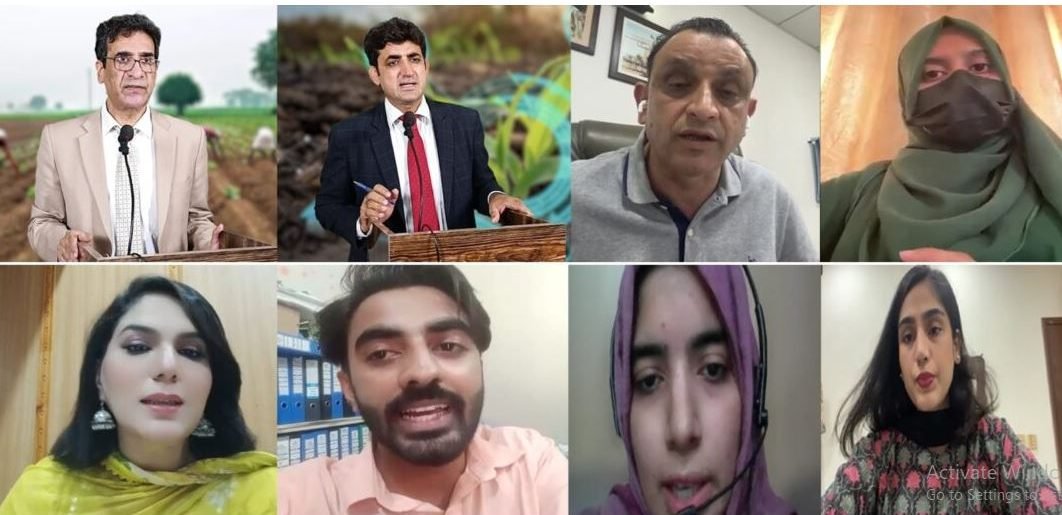
cto adopt rainwater harvesting on a larger scale to tackle increasing water shortages and strengthen climate resilience.
The call emerged during a webinar organized by the Alliance Good Governance Foundation, where participants discussed practical solutions to the country’s growing water challenges. Experts emphasized that Pakistan must improve water conservation practices as climate change, rapid urbanization, and population growth continue to strain water resources.
According to Beyond Time News, participants stressed that sustainable water management has become a national priority. They noted that changing rainfall patterns, rising temperatures, and extreme weather events are placing unprecedented pressure on the country’s water supplies.
Climate Change Intensifying Water Challenges
Economist and agricultural expert Dr. Khizar Nazir highlighted the growing impact of climate change on Pakistan’s agriculture, economy, and natural resources. He explained that irregular rainfall, prolonged droughts, and rising temperatures are reducing water availability and threatening food security.
He stressed that policymakers and communities must adopt sustainable solutions to protect water resources for future generations.
“Rainwater harvesting is not merely a conservation technique. It is also an effective strategy for building climate resilience,” Dr. Nazir said. He added that Pakistan should focus on storing rainwater instead of allowing valuable rainfall to flow away unused.
Furthermore, he explained that better water storage systems could reduce pressure on conventional water sources and improve agricultural productivity.
Rainwater Harvesting Offers a Practical Solution
Experts described rainwater harvesting as one of the most affordable and effective methods for increasing water availability. Many countries already use the approach to replenish groundwater reserves and support communities facing water shortages.
Despite receiving significant rainfall in several regions, Pakistan continues to lose a large portion of this water because of inadequate storage facilities and weak management systems.
Participants explained that properly designed harvesting systems can collect, store, and distribute rainwater for domestic, agricultural, and environmental purposes. In addition, these systems can help recharge underground aquifers that continue to decline across many parts of the country.
Experts noted that communities can store collected rainwater in tanks, reservoirs, and underground structures. They can also direct excess water toward recharge wells to restore groundwater reserves.
Major Cities Facing Growing Water Stress
Climate specialists warned that Pakistan’s major urban centers are experiencing increasing pressure on water supplies. Cities such as Islamabad, Rawalpindi, Lahore, and Karachi face rising demand due to rapid population growth and expanding housing developments.
Dr. Ejaz Tanvir of the Federal Flood Commission stressed the importance of implementing practical climate adaptation measures. He said authorities should prioritize water conservation, particularly in urban areas where groundwater levels continue to fall.
“Rainwater harvesting can help restore underground water reserves and reduce dependence on traditional water sources,” he said.
As groundwater extraction increases, experts believe rainwater collection systems can provide a sustainable alternative for households, businesses, and public institutions.
Need for Government and Public Cooperation
Senior journalist Shabbir Hussain emphasized that Pakistan must act quickly to expand rainwater harvesting projects. He pointed out that many cities are already experiencing declining groundwater levels and drying bore wells.
According to him, government agencies, housing societies, and citizens should work together to establish large-scale rainwater collection systems. Such projects can improve water security and help replenish depleted aquifers.
Meanwhile, Convener of the Alliance Good Governance Foundation Dr. Tariq Mehmood Khan described rainwater harvesting as a key component of climate adaptation and environmental sustainability.
He said Pakistan increasingly faces climate-related threats, including floods, droughts, and shifting rainfall patterns. Therefore, authorities must integrate sustainable water management into national planning frameworks.
Dr. Tariq urged government institutions to lead by example and adopt environmentally responsible practices. He suggested installing rainwater harvesting systems in public buildings to encourage similar initiatives across the private sector.
Climate Adaptation Requires Long-Term Planning
Experts also highlighted the importance of climate-smart infrastructure and long-term planning. They argued that sustainable water management should become a central element of Pakistan’s climate adaptation strategy.
According to participants, responsible water consumption alone will not solve the problem. Instead, authorities must combine conservation efforts with investments in water storage, groundwater recharge, and environmental protection.
Moreover, they stressed that restoring groundwater reserves will help communities better withstand future droughts and water shortages.
Citizens Have a Role to Play
Environmentalist and social activist Shahdia Kausar Farooq, Chairperson of Subh-e-Nau (SN), emphasized that climate change is a national challenge that requires collective action.
She noted that Pakistan ranks among the countries most vulnerable to climate change. The country continues to face rising temperatures, glacier melt, unpredictable rainfall, prolonged droughts, and increasing pressure on agriculture.
Farooq said citizens must actively contribute by conserving water, planting trees, and adopting sustainable lifestyles.
“Rainwater harvesting provides a practical solution for improving water availability and reducing pressure on groundwater resources,” she said.
She also pointed out that Islamabad and several other cities already face serious water shortages. Consequently, expanding rainwater harvesting systems could significantly improve water security.
Read more:Seven Killed, 33 Injured as Severe Storms and Heavy Rain Batter Khyber Pakhtunkhwa
Experts Stress Urgent Action
During the interactive session, participants expressed concern over declining groundwater levels and worsening water scarcity across Pakistan.
Experts agreed that rainwater harvesting should become an integral part of national climate and water policies. They argued that immediate action can help safeguard water resources, strengthen climate resilience, and support sustainable development.
As climate challenges continue to intensify, experts believe Pakistan must invest in practical and affordable solutions that protect water supplies and ensure long-term environmental sustainability.
By expanding rainwater harvesting systems, the country can reduce water waste, replenish groundwater reserves, and build stronger resilience against future climate-related threats.
FAQs
What is rainwater harvesting?
Rainwater harvesting involves collecting and storing rainwater for later use in homes, agriculture, industry, or groundwater recharge.
Why is rainwater harvesting important for Pakistan?
It helps address water shortages, replenishes groundwater reserves, reduces water waste, and strengthens climate resilience.
Which Pakistani cities face the greatest water stress?
Major cities including Islamabad, Rawalpindi, Lahore, and Karachi are experiencing increasing pressure on water resources due to rapid urbanization and population growth.
How does rainwater harvesting support climate adaptation?
It improves water security during droughts, reduces dependence on traditional water sources, and helps communities cope with changing weather patterns.
What role can citizens play in water conservation?
Citizens can install rainwater harvesting systems, reduce water wastage, plant trees, and adopt environmentally responsible practices.
#Hashtags
#PakistanWaterCrisis #RainwaterHarvesting #ClimateChangePakistan #WaterConservation #EnvironmentalSustainability #GroundwaterRecharge #ClimateResilience #WaterSecurity #PakistanEnvironment #SustainableDevelopment #UrbanWaterManagement #ClimateAdaptation