
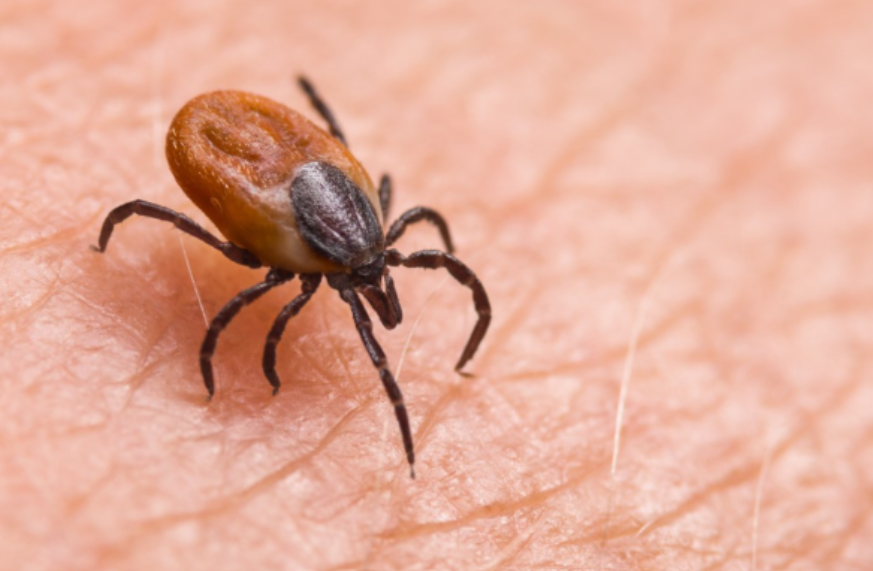
Tokyo: Japan is witnessing a faster rise in cases of a potentially deadly tick-borne disease, with infections increasing at a pace higher than last year. Health authorities are urging people to take precautions as tick activity reaches its seasonal peak.
According to Beyond Time News, preliminary figures released by Japan’s national health research body show that the number of severe fever with thrombocytopenia syndrome (SFTS) cases has already surpassed the level recorded during the same period in 2025.
SFTS Cases Increase Faster Than Last Year
The latest data show that 72 infections had been confirmed as of June 7.
During the same period in 2025, Japan had reported 68 cases.
Last year eventually ended with a record 192 infections, the highest annual total since the disease was first identified in the country.
The latest figures suggest that the number of cases is rising more quickly this year.
As a result, health officials are closely monitoring the situation.
Health Minister Calls for Nationwide Vigilance
Japanese Health Minister Kenichiro Ueno said authorities are paying close attention to the spread of the disease.
He noted that the number of patients has been increasing and stressed the need for continued vigilance across the country.
According to Beyond Time News, officials are tracking the infection trend and evaluating preventive measures.
Meanwhile, the government has urged the public to remain cautious during the months when ticks are most active.
Tick Season Brings Higher Risk
Ticks are generally most active between spring and autumn.
Therefore, health authorities are encouraging residents to protect themselves when spending time outdoors.
People visiting forests, parks, grassy fields, or rural areas have been advised to wear long sleeves and cover exposed skin.
Officials have also recommended using insect repellents.
In addition, pet owners have been urged to protect dogs and cats because animals can carry infected ticks.
These preventive measures can help reduce the risk of infection.
Imran Khan Receives Fifth Eye Injection at PIMS as Doctors Report Clinical Improvement
What Is Severe Fever With Thrombocytopenia Syndrome?
Severe fever with thrombocytopenia syndrome, commonly known as SFTS, is a viral disease mainly transmitted through tick bites.
However, experts say the infection can also spread through contact with the blood of infected people or animals.
The disease was first identified in China and later detected in several East Asian countries, including Japan and South Korea.
Although SFTS remains relatively rare, medical experts consider it a serious public health concern because of its high fatality rate.
Symptoms Usually Appear Within Two Weeks
According to health experts, symptoms generally develop six to fourteen days after infection.
Patients may initially experience fever and fatigue.
Other symptoms include vomiting, diarrhea, muscle pain, and loss of appetite.
In severe cases, patients can suffer from confusion and impaired consciousness.
Because the symptoms resemble those of other infectious diseases, early diagnosis can sometimes be challenging.
Therefore, doctors encourage people to seek medical attention if symptoms appear after exposure to ticks.
Disease Carries Significant Fatality Risk
Medical experts estimate that SFTS has a fatality rate ranging from 10 percent to 30 percent.
This makes it one of the more dangerous tick-borne illnesses.
Currently, there is no approved vaccine against the disease.
However, Japan has approved the use of an antiviral drug to treat infected patients.
Researchers continue to study the disease and explore additional treatment options.
Cases Have Increased Since 2021
Japan confirmed its first case of SFTS in 2013.
The patient was a woman living in Yamaguchi Prefecture in western Japan.
For several years, annual case numbers remained below 100.
However, the trend changed after 2021.
Since then, infections have exceeded the 100-case mark every year.
This increase has raised concerns among health authorities and infectious disease specialists.
Western Japan Reports More Infections
According to Beyond Time News, western Japan has recorded more SFTS cases than eastern regions.
Experts believe climate conditions, wildlife populations, and environmental factors may contribute to these differences.
Nevertheless, officials have emphasized that people throughout the country should remain alert.
They have warned that tick exposure can occur in many outdoor environments.
Public Awareness Remains Important
Health experts say awareness is one of the most effective tools in preventing infection.
Simple precautions can significantly lower the risk of tick bites.
These include wearing protective clothing, using insect repellents, and checking the body after outdoor activities.
Experts also advise people to inspect their pets regularly because animals may carry ticks into homes.
As the number of cases continues to rise, authorities are expected to intensify public education campaigns and strengthen monitoring efforts.
FAQs
What is SFTS?
SFTS, or severe fever with thrombocytopenia syndrome, is a viral disease mainly spread through infected tick bites.
How many SFTS cases has Japan reported in 2026?
Japan had reported 72 cases as of June 7, according to preliminary data.
What are the symptoms of SFTS?
Common symptoms include fever, vomiting, diarrhea, fatigue, muscle pain, and impaired consciousness.
Is there a vaccine for SFTS?
No vaccine is currently available. However, Japan has approved an antiviral drug for treatment.
How can people protect themselves from tick bites?
People can reduce their risk by wearing long clothing, using insect repellents, and checking themselves and their pets after outdoor activities.
SEO Hashtags
#Japan #SFTS #TickBorneDisease #HealthNews #JapanHealth #PublicHealth #InfectiousDisease #MedicalNews #AsiaNews #DiseasePrevention #WorldNews #HealthAlert