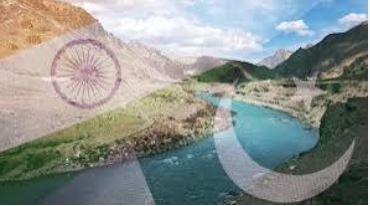

Islamabad: The National Disaster Management Authority (NDMA) has issued a nationwide weather alert, warning that heavy rainfall, thunderstorms, strong winds, urban flooding and glacier-related hazards could affect several parts of Pakistan over the next 24 hours. According to Beyond Time News, authorities have urged citizens, travelers and local administrations to remain vigilant as an active weather system moves across the country.
The latest advisory highlights growing concerns over flash floods, landslides and Glacial Lake Outburst Floods (GLOFs), particularly in northern regions where rising temperatures have accelerated glacier melt. Emergency agencies have already been placed on alert to respond quickly to any weather-related incidents.
Rain & Storms Expected Across Multiple Regions
Weather experts forecast widespread rain accompanied by thunderstorms, dust storms and strong winds in Islamabad, Rawalpindi and many districts of Punjab.
Areas likely to experience adverse weather include Murree, Attock, Chakwal, Talagang, Mandi Bahauddin, Sargodha, Gujrat, Jhelum, Sialkot, Gujranwala, Hafizabad, Lahore, Faisalabad, Khushab, Jhang, Mianwali, Dera Ghazi Khan, Kasur, Okara, Sahiwal, Multan, Bahawalpur and Rahim Yar Khan.
Officials warn that heavy downpours could lead to water accumulation in low-lying areas. As a result, urban flooding remains a major concern in Islamabad, Rawalpindi and parts of the Potohar region.
The NDMA said advance warnings have already been shared with federal, provincial and district authorities to ensure preparedness and timely emergency response.
GLOF & Flash Flood Risks Increase in Northern Pakistan
One of the most significant concerns highlighted in the advisory is the increasing threat of Glacial Lake Outburst Floods. These events occur when lakes formed by melting glaciers suddenly release large volumes of water, causing destructive flooding downstream.
According to Beyond Time News, several districts in Gilgit-Baltistan face elevated risks due to rapid glacier melt and rising temperatures. Vulnerable areas include Hunza, Nagar, Ghizer, Skardu, Shigar, Ghanche, Astore and Diamer.
Similar threats have been identified in Khyber Pakhtunkhwa, particularly in Upper and Lower Chitral, Swat, Kalam, Bahrain and Arkari.
Experts note that Pakistan hosts thousands of glaciers, making it one of the most glacier-rich countries outside the polar regions. However, climate change has accelerated glacier melting, increasing the likelihood of sudden flooding events during the summer season.
Mountain Communities Face Additional Hazards
Apart from glacier-related flooding, authorities have warned that mountainous areas may experience flash floods, landslides and debris flows.
Districts including Upper Dir, Swat, Kohistan and Mansehra remain highly vulnerable to rapid flooding caused by intense rainfall. In Gilgit-Baltistan, areas such as Gilgit, Nagar, Ghizer, Skardu, Ghanche, Darel and Tangir could also experience flood-related impacts.
In Azad Jammu and Kashmir, localized flooding is possible in Muzaffarabad, Neelum Valley, Bagh, Haveli, Rawalakot, Kotli, Poonch, Mirpur and Bhimber.
Officials fear that landslides and flooding may temporarily block highways, damage roads and disrupt transportation networks in remote regions.
NDMA Issues Nationwide Alert as Pakistan Faces Heatwave, Flash Flood and Landslide Risks (May 26–31)
KP, Balochistan & Sindh Also Under Weather Watch
The weather system is expected to affect large parts of Khyber Pakhtunkhwa, where thunderstorms and rainfall are forecast in Chitral, Dir, Swat, Battagram, Mansehra, Abbottabad, Haripur, Swabi, Mardan, Charsadda, Peshawar, Kohat, Karak, Bannu, Dera Ismail Khan and Waziristan.
Meanwhile, several districts of Balochistan, including Turbat, Kech, Awaran, Khuzdar and Zhob, are also likely to receive rain accompanied by strong winds.
In Sindh, isolated rainfall is expected in Jacobabad, Sukkur, Larkana, Khairpur, Dadu, Ghotki, Kashmore, Shikarpur, Shaheed Benazirabad and Karachi.
Meteorologists say these weather conditions may bring temporary relief from intense heat. However, sudden storms could create hazardous travel conditions and increase the risk of localized flooding.
Authorities Ordered to Remain on High Alert
The NDMA has directed district administrations and emergency services to maintain a high level of readiness. Authorities have been instructed to closely monitor vulnerable locations and ensure that drainage systems, nullahs and sewerage networks remain clear.
Rescue teams have also been advised to prepare for potential emergency operations in flood-prone areas.
According to Beyond Time News, the authority believes proactive planning and early warning systems can significantly reduce the impact of severe weather events.
Public Asked to Follow Safety Precautions
Residents living near rivers, streams and low-lying areas have been advised to take precautionary measures immediately.
Authorities recommend moving valuables, livestock and essential supplies to safer locations. Citizens should remain informed through official weather updates and cooperate with local administrations if evacuation advisories are issued.
Tourists planning to visit northern Pakistan have also been urged to avoid unnecessary travel during periods of heavy rainfall. Travelers should check road conditions and weather forecasts before starting their journeys.
The NDMA further advised people to stay away from glaciers, riverbanks and fast-flowing streams, where water levels can rise suddenly without warning.
Climate Change Intensifying Weather Extremes
Pakistan continues to face increasing climate-related challenges. Over recent years, the country has experienced severe floods, prolonged heatwaves, droughts and glacier-related disasters.
Environmental experts warn that rising global temperatures are accelerating glacier melt while also increasing the frequency of extreme rainfall events. This combination creates greater risks for communities living near rivers, valleys and mountainous regions.
The latest weather advisory underscores the importance of disaster preparedness, climate resilience and effective emergency response systems. Officials say public awareness and timely action remain critical in minimizing loss of life and property during severe weather events.
As authorities continue monitoring the evolving situation, citizens are encouraged to stay updated through official NDMA channels and follow all safety instructions issued by local administrations.
FAQs
What is a Glacial Lake Outburst Flood (GLOF)?
A GLOF occurs when a lake formed by melting glacier ice suddenly releases large amounts of water, causing flash flooding downstream.
Which regions face the highest GLOF risk?
Parts of Gilgit-Baltistan and northern Khyber Pakhtunkhwa, including Hunza, Nagar, Ghizer, Skardu, Chitral and Swat, are considered highly vulnerable.
Is urban flooding expected in Islamabad?
Yes. Authorities have warned that heavy rainfall may trigger urban flooding in Islamabad, Rawalpindi and nearby areas.
What precautions should residents take?
People living near rivers and low-lying areas should move valuables to safer locations, monitor weather updates and follow official advisories.
Why are weather-related disasters increasing in Pakistan?
Experts attribute the rise in extreme weather events to climate change, higher temperatures and changing rainfall patterns.
SEO Hashtags
#NDMA #PakistanWeather #FloodAlert #HeavyRain #FlashFloods #GLOF #GilgitBaltistan #KhyberPakhtunkhwa #ClimateChange #MonsoonAlert #PakistanNews #WeatherUpdate