
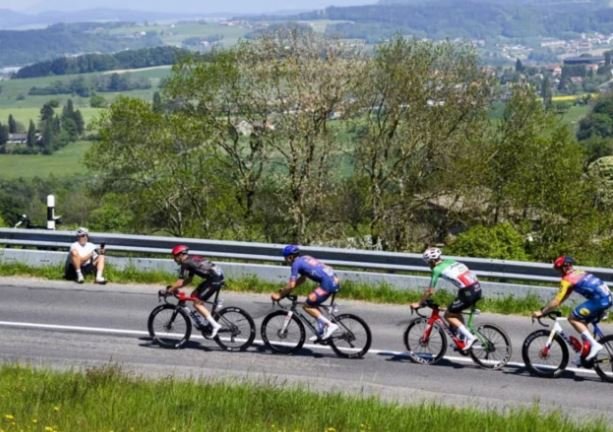
Paris: As France experiences increasingly frequent and intense heatwaves, concerns are growing over the impact of extreme temperatures on the Tour de France, one of the world’s most prestigious cycling events.
According to Beyond Time News, the race will begin in Barcelona on Saturday before entering France on Monday. While professional cyclists have long competed in hot summer conditions, climate experts and race organizers say rising temperatures are making extreme weather a growing challenge for both riders and spectators.
Extreme Heat Becoming More Common
France has recently experienced another intense heatwave, with temperatures reaching around 40°C in some regions.
Although temperatures briefly eased at the start of the week, weather forecasts indicate another spell of hot weather could arrive as the Tour gets underway.
Climate scientists say such heatwaves are becoming more frequent due to global climate change, increasing the likelihood that major sporting events will face weather-related disruptions in the future.
Riders Face Tougher Conditions
Professional cyclists are accustomed to racing in demanding conditions, but prolonged exposure to extreme heat places additional physical stress on athletes.
During the French National Cycling Championships last weekend, high temperatures forced organizers to shorten the race route after intense heat affected competitors and spectators.
Some riders described the conditions as feeling like “cycling into a hairdryer,” highlighting the difficulty of competing under extreme temperatures.
Despite their elite fitness levels, cyclists remain vulnerable to dehydration, heat exhaustion, and declining performance during prolonged races.
Organizers Already Adapting
Tour de France organizers say they have begun adjusting race planning to reduce the effects of extreme heat.
According to Beyond Time News, organizers are increasingly selecting routes with more tree-lined roads to provide shade for spectators instead of wide-open streets exposed to direct sunlight.
Karachi Weather Update: PMD Forecasts Morning and Night Drizzle, Humid Conditions to Continue
Other measures being considered include:
- Increasing the number of hydration and feeding zones.
- Shortening particularly demanding stages when necessary.
- Allowing additional flexibility in race timing if weather conditions become severe.
These steps aim to improve safety while maintaining the competitive integrity of the race.
Why Earlier Start Times Are Difficult
Starting stages earlier in the morning may appear to be a simple solution, but organizers say major logistical challenges limit that option.
The Tour involves extensive coordination with local authorities, police, broadcasters, sponsors, and host communities.
Road closures, television schedules, and commercial commitments are planned well in advance, making large last-minute timetable changes difficult to implement.
As a result, organizers have greater flexibility to shorten routes than to significantly alter race schedules.
Could the Tour Move to Another Month?
Some experts have questioned whether the Tour de France may eventually need to shift from its traditional July schedule.
However, organizers believe such a move would be extremely complicated.
The race is the centerpiece of the professional cycling calendar, with teams, sponsors, broadcasters, and international competitions structured around its current timing.
In addition, climate experts note that periods of extreme heat are beginning earlier and lasting longer, meaning a different month may not necessarily guarantee cooler conditions.
Climate Change and Sporting Events
Researchers studying long-term weather patterns believe sporting events worldwide will increasingly need to adapt to changing climate conditions.
According to studies cited by Beyond Time News, the number of heatwaves affecting France could more than double by the end of this century if current warming trends continue.
This could require event organizers to rethink safety protocols, scheduling, medical support, and infrastructure for both athletes and spectators.
Many international sports federations are already reviewing heat management strategies as global temperatures continue to rise.
Why This Matters
The Tour de France attracts millions of roadside spectators and a global television audience each year.
Ensuring the safety of riders, support staff, volunteers, and fans has become an increasingly important part of race planning as extreme weather events become more common.
The challenges facing the Tour also reflect a broader issue affecting outdoor sporting events around the world, from marathons and tennis tournaments to football competitions and athletics championships.
Conclusion
The Tour de France has successfully managed hot weather throughout its long history, but increasingly frequent and intense heatwaves are presenting new challenges. Organizers have already begun adapting race planning to improve safety, while climate experts warn that further changes may become necessary if extreme temperatures continue to rise. As the race begins this weekend, managing heat will be almost as important as the competition itself.
Frequently Asked Questions
Why are heatwaves a concern for the Tour de France?
Extreme heat increases the risk of dehydration, heat exhaustion, and reduced performance for riders while also affecting spectators and race staff.
What changes are organizers making?
Organizers are selecting shadier routes, increasing hydration points, and considering shorter stages during periods of extreme heat.
Could the Tour de France change its schedule?
While some experts have suggested moving the race to another month, organizers say doing so would be difficult because the Tour is central to the international cycling calendar.
How does climate change affect cycling events?
Climate change is increasing the frequency and intensity of heatwaves, requiring sporting events to adopt new safety measures for athletes and fans.
Will the Tour de France still take place during hot weather?
Yes. Organizers plan to adapt race operations when necessary, but the event is expected to continue while prioritizing participant safety.
Hashtags
#TourDeFrance #Cycling #Heatwave #ClimateChange #SportsNews #France #RoadCycling #GlobalWarming #OutdoorSports #BeyondTimeNews


One thought on “Rising Heatwaves Pose Growing Challenge for Tour de France, Experts Warn”
Comments are closed.