Islamabad: Public spending in Pakistan remains heavily concentrated in major cities, with provincial capitals receiving significantly more resources than other districts, according to a new World Bank report on fiscal federalism.
The report highlights major gaps in per capita government spending across provinces, raising concerns about inequality in development, public services and long-term economic balance.
Big Cities Receive Far Higher Spending
According to the Strengthening Fiscal Federalism report, provincial capitals consistently receive a much larger share of public funds compared to other districts.
The differences are especially striking in some regions:
- Quetta receives about 475% more per person spending than other districts in Balochistan
- Lahore receives around 440% more per person spending than other districts in Punjab
- Peshawar receives about 335% higher spending than other districts in Khyber Pakhtunkhwa
- Karachi receives around 178% more per person spending than other districts in Sindh
According to Beyond Time News, the report shows that while gaps have narrowed slightly over time, capital cities still absorb a disproportionate share of public resources.
Per Capita Spending Shows Large Gaps
The report provides detailed figures showing the scale of inequality.
- Quetta: Rs57,000 per person, compared to Rs12,000 in other districts
- Peshawar: Rs35,000 per person, compared to Rs10,000 elsewhere
- Lahore: Rs31,000 per person, compared to Rs7,000 in other districts
- Karachi: Rs25,000 per person, compared to Rs14,000 in other districts
These differences show how public funds are unevenly distributed within provinces.
World Bank Urges NFC Reforms to Address Pakistan’s Fiscal Imbalance
Why the Gap Exists
The World Bank report notes that spending patterns do not always match social or economic needs.
Instead, wealthier and more developed districts often receive more funds. Poorer districts receive less, which can deepen inequality over time.
According to Beyond Time News, this creates a cycle where underdeveloped areas struggle to improve infrastructure, education and health services.
Link Between Spending and Development
The report raises concerns that higher spending does not always translate into better outcomes.
In some provinces, education and health indicators have not improved in line with increased budgets.
For example:
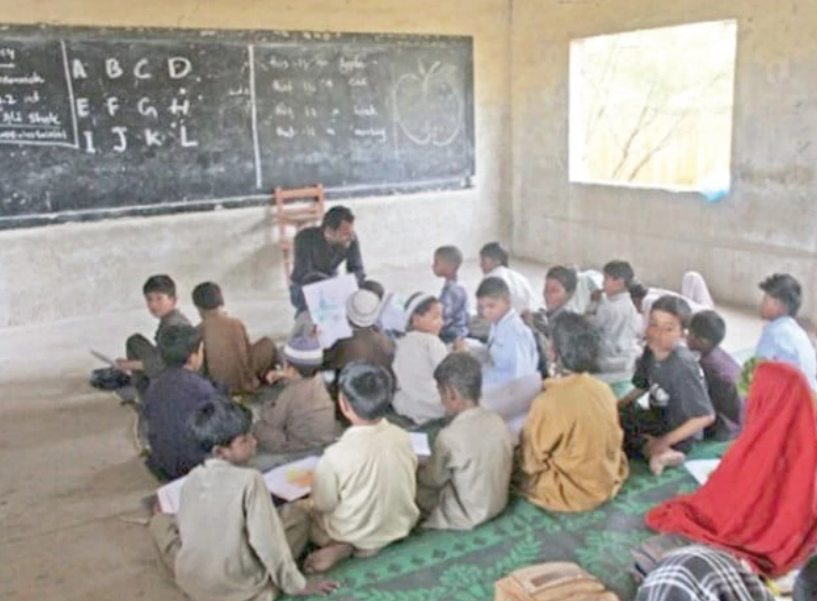
- Some provinces saw large increases in education spending but weak improvement in literacy and school enrollment
- In certain areas, health access even declined despite higher budgets
This suggests that spending efficiency and governance play a key role in development outcomes.
Local Governments Receive Very Limited Funds
The World Bank also highlights a long-term decline in funding for local governments.
Local bodies now receive only a small share of total public spending, falling from around 10% in 2005 to about 4.7% in 2024.
Despite constitutional provisions for decentralisation, most financial authority remains with provincial governments.
According to Beyond Time News, the report says this limits local-level service delivery and weakens governance at the grassroots level.
Education and Health Gaps Remain Wide
The report also compares social indicators across provinces.
- Punjab has a higher share of private school enrollment (30–40%) compared to other provinces
- Balochistan records less than 10% private school enrollment
- Khyber Pakhtunkhwa shows stronger improvements in literacy despite lower spending increases
In health, access to facilities within 15 minutes has declined in several provinces despite rising budgets.
Why This Matters
Experts say uneven spending can slow down national development. When resources are concentrated in major cities, smaller districts often fall behind.
This can lead to:
- Rising regional inequality
- Weak infrastructure in rural areas
- Lower human development indicators
- Reduced economic opportunities outside major cities
According to Beyond Time News, the report warns that without better targeting of public funds, these gaps may continue to widen.
Conclusion
The World Bank report paints a clear picture of uneven public spending across Pakistan. While provincial capitals continue to receive a large share of resources, many districts remain underfunded.
The findings highlight the need for improved fiscal planning, stronger local governance and more equitable distribution of public funds to ensure balanced national development.
Frequently Asked Questions
What does the World Bank report say about spending in Pakistan?
It says major cities like Quetta, Lahore, Karachi and Peshawar receive significantly more per capita public spending than other districts.
Which city has the highest spending gap?
Quetta shows the highest gap, with around 475% more per person spending than other districts in Balochistan.
Why are provincial capitals getting more funds?
The report suggests spending is not fully aligned with socioeconomic needs and often favours already developed areas.
How has local government funding changed?
Local government spending has fallen from around 10% in 2005 to about 4.7% in 2024.
Does higher spending improve development outcomes?
Not always. The report notes that in some provinces, education and health indicators have not improved in line with increased spending.
Hashtags
#PakistanEconomy #WorldBank #PublicSpending #FiscalFederalism #Development #Karachi #Lahore #Quetta #Peshawar #PakistanNews