
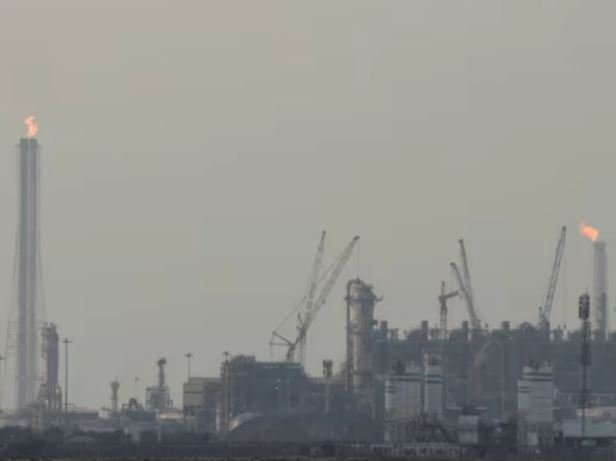
- Qatar Energy Slows Ras Laffan Operations as Gulf Security Risks Disrupt LNG Supply Plans
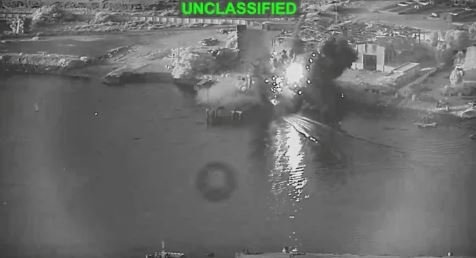
Doha: Qatar has temporarily suspended plans to restore production at its flagship liquefied natural gas (LNG) facility following a tanker attack near the Strait of Hormuz, raising fresh concerns about energy security and global fuel supplies.
According to Beyond Time News, QatarEnergy decided to maintain reduced operations at the Ras Laffan industrial complex after security risks increased around one of the world’s busiest energy shipping routes.
Qatar Slows LNG Production Plans
The decision followed an emergency review by QatarEnergy officials after one of the country’s LNG tankers came under attack near the Strait of Hormuz earlier this week.
According to reports, QatarEnergy Chief Executive Saad Al-Kaabi decided to suspend plans to increase production at the Ras Laffan complex until the regional security situation improves.
As a precaution, the company will keep production at minimum operating levels. It will also reduce the number of LNG vessels scheduled to dock at the facility in the coming days.
Hormuz Tensions Continue to Affect Energy Markets
The latest disruption comes as military tensions around the Strait of Hormuz continue to affect international shipping.
The strategic waterway handles a significant share of global oil and LNG exports. Qatar, one of the world’s largest LNG exporters, relies heavily on the route to supply customers across Asia and Europe.
According to Beyond Time News, recent attacks on commercial vessels and military activity in the Gulf have increased concerns over the safety of maritime transport.
Ras Laffan Remains Central to Qatar’s Energy Industry
The Ras Laffan Industrial City is one of the world’s largest LNG production hubs and plays a critical role in Qatar’s export economy.
Before the latest escalation, Qatar had planned to restore most LNG production within two months following earlier improvements in regional security.
However, officials have now delayed those plans while monitoring developments in the Gulf.
Previous Damage Continues to Affect Operations
The Ras Laffan complex has faced repeated disruptions in recent months.
Earlier this year, an Iranian drone attack forced a large portion of the facility to suspend operations. Weeks later, a separate missile strike damaged approximately 17 percent of the plant’s production capacity.
According to Beyond Time News, repairs to the damaged section are expected to take several years, limiting the facility’s ability to return to full production.
LNG Supplies Face Additional Uncertainty
Last week, QatarEnergy extended force majeure notices on LNG deliveries to several Asian customers until August.
The extension has created additional uncertainty for buyers that depend on Qatari natural gas, particularly as many countries prepare to secure fuel supplies ahead of the winter season.
Industry analysts say any prolonged reduction in Qatari exports could tighten global LNG availability and increase competition among importing countries.
Energy Prices React to Supply Concerns
The latest security concerns have already influenced international energy markets.
Asian spot LNG prices have risen sharply compared with levels recorded before the recent conflict. European benchmark natural gas prices have also moved higher as traders assess the risk of further supply disruptions.
Market analysts say prices could remain volatile if shipping through the Strait of Hormuz continues to face delays or security threats.
Why the Strait of Hormuz Matters
The Strait of Hormuz is one of the world’s most important maritime trade routes.
A substantial share of global oil and liquefied natural gas exports passes through the narrow waterway each day. Any disruption can affect international energy supplies, transportation costs, and fuel prices around the world.
For Qatar, uninterrupted access to the strait is essential because LNG exports remain a cornerstone of its economy.
Looking Ahead
Energy markets will continue monitoring developments in the Gulf over the coming weeks.
If regional tensions ease, QatarEnergy could gradually resume plans to increase LNG production. However, additional security incidents may delay recovery efforts and place further pressure on global gas supplies.
Conclusion
Qatar’s decision to pause the revival of LNG production highlights the growing impact of regional instability on global energy markets. As security concerns persist around the Strait of Hormuz, governments, energy companies, and importers will closely watch developments that could influence fuel supplies and international prices in the months ahead.
Frequently Asked Questions
Why did Qatar pause LNG production plans?
Qatar paused its production recovery after a tanker attack near the Strait of Hormuz raised security concerns for shipping and energy infrastructure.
What is the Ras Laffan complex?
Ras Laffan is Qatar’s main LNG production and export facility and one of the largest liquefied natural gas hubs in the world.
Why is the Strait of Hormuz important?
The Strait of Hormuz is a critical global shipping route through which a large share of the world’s oil and LNG exports passes.
How could this affect global energy markets?
Reduced LNG production and shipping disruptions could tighten global gas supplies and contribute to higher energy prices, particularly in Asia and Europe.
When could Qatar restore full LNG production?
QatarEnergy has not announced a timeline. Production is expected to increase only after security conditions improve.
Hashtags
#Qatar
#LNG
#QatarEnergy
#StraitOfHormuz
#EnergyMarkets
#NaturalGas
#GlobalEnergy
#MiddleEast
#WorldNews
#BeyondTimeNews
One thought on “Qatar Pauses LNG Output Revival After Tanker Attack Near Strait of Hormuz”
Comments are closed.