- Military Exchanges Intensify While Diplomatic Efforts to Ease US-Iran Tensions Continue
Washington: Military tensions between the United States and Iran intensified for a third consecutive day as both sides carried out new operations, increasing concerns over regional stability, maritime security, and global energy markets.
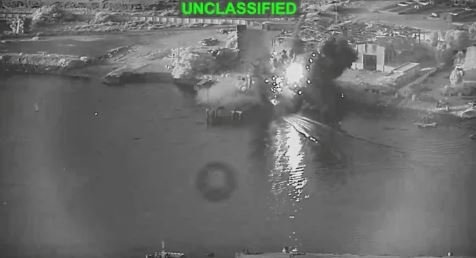
According to Beyond Time News, U.S. forces conducted overnight strikes on military-related targets in Iran, while Iranian authorities reported retaliatory attacks targeting locations associated with U.S. military interests in the Gulf region.
The latest escalation comes as diplomatic efforts continue to prevent a wider regional conflict, despite ongoing military exchanges.
US Conducts New Military Operations
According to Beyond Time News, U.S. military officials said forces carried out operations against military-related targets in Bushehr and Bandar Abbas, stating that the objective was to reduce threats to commercial shipping and regional security.
The operations marked the third consecutive night of reported U.S. strikes, reflecting the growing military confrontation between Washington and Tehran.
U.S. officials have maintained that their actions are aimed at protecting international navigation and safeguarding regional stability.
Iran Announces Retaliatory Strikes
Iran’s Islamic Revolutionary Guard Corps (IRGC) said it launched missiles and drones targeting locations linked to U.S. military operations in Bahrain and Jordan.
Authorities in Jordan reported intercepting several incoming missiles, while officials in Bahrain have continued monitoring the security situation.
Independent verification of the reported attacks and their impact remains ongoing.
Strait of Hormuz at the Center of Rising Tensions
The latest developments have focused international attention on the Strait of Hormuz, one of the world’s most strategically important maritime corridors.
A significant share of global oil exports passes through the waterway each day, making any disruption a major concern for international energy markets.
According to Beyond Time News, the United States announced additional maritime security measures affecting Iranian shipping, while discussions regarding new transit policies in the area have further heightened uncertainty.
Iran Prepares to Bury Ali Khamenei in Mashhad as US-Iran Tensions Escalate
Analysts say any prolonged disruption to commercial traffic through the strait could influence global energy prices and international trade.
Oil Markets React to Security Concerns
Energy markets responded quickly to the growing tensions.
Crude oil prices rose sharply as traders assessed the possibility of supply disruptions linked to the conflict.
Financial analysts noted that geopolitical uncertainty often leads to higher energy prices because investors factor potential supply risks into global markets.
The situation remains fluid, and future price movements are expected to depend largely on developments in the Gulf region.
Diplomatic Channels Remain Active
Despite the military escalation, both Washington and Tehran have continued to signal interest in diplomatic engagement.
According to Beyond Time News, U.S. President Donald Trump said an agreement with Iran remains possible, while Iranian officials indicated that communication through regional mediators is continuing.
Diplomatic efforts involving regional partners are focused on preventing further escalation and reducing the risk of a broader conflict.
Analysts believe that maintaining open channels of communication will be critical in avoiding additional instability across the Middle East.
Broader Regional Implications
The latest exchanges have increased security concerns across several Gulf states.
Regional governments continue to monitor developments closely because prolonged military confrontation could affect shipping, trade, aviation, and investment across the Middle East.
International observers have also expressed concern that further escalation could increase humanitarian risks and place additional pressure on global energy markets.
Why the Situation Matters
The United States and Iran remain influential actors in Middle Eastern security.
Any sustained military confrontation between the two countries has the potential to affect international shipping routes, oil supplies, financial markets, and diplomatic relations throughout the region.
Governments around the world continue to encourage restraint while supporting diplomatic initiatives aimed at preventing a wider conflict.
Conclusion
The exchange of military operations between the United States and Iran marks another significant escalation in regional tensions. While both countries continue to exchange warnings and military actions, diplomatic contacts remain active, offering a possible avenue to reduce tensions. The coming days are expected to be crucial in determining whether negotiations can prevent further escalation or whether instability in the Gulf will continue to grow.
Frequently Asked Questions
Why are tensions between the United States and Iran increasing?
The latest escalation follows reciprocal military operations, with both countries reporting strikes against military-related targets and strategic locations.
Why is the Strait of Hormuz important?
The Strait of Hormuz is one of the world’s busiest energy shipping routes, carrying a significant share of global oil exports.
How have oil markets reacted?
Oil prices have increased as investors respond to concerns that regional instability could disrupt energy supplies.
Are diplomatic negotiations still taking place?
Yes. Officials from both sides have indicated that diplomatic communication through regional mediators continues despite ongoing military tensions.
Why does this conflict have global significance?
Developments involving the United States and Iran can affect international trade, energy markets, regional security, and global economic stability.
Hashtags
#USIran
#MiddleEast
#StraitOfHormuz
#GlobalSecurity
#OilMarkets
#BreakingNews
#WorldNews
#Diplomacy
#Geopolitics
#BeyondTimeNews