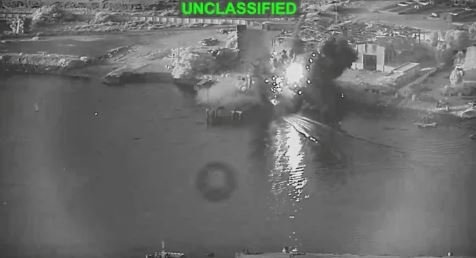
A recent analysis has raised serious concerns about the United States’ missile reserves following a major military operation against Iran. The report indicates that a large number of advanced weapons were used during the seven-week campaign, which significantly reduced stockpile levels.
According to Beyond Time News, the findings come from a study by the Center for Strategic and International Studies (CSIS), which examined US missile usage during the conflict.
Heavy Use of Advanced Missile Systems
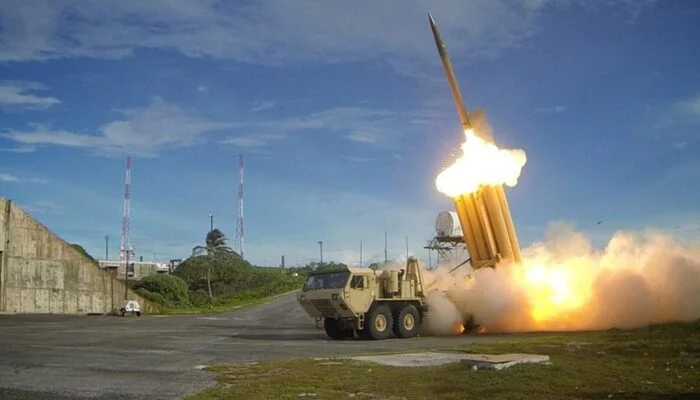
The CSIS report shows that US forces used nearly 50% of their Patriot interceptor missiles during the operation. They also deployed more than half of their THAAD missile interceptors.
Several other systems saw heavy use as well:
- Over 45% of Precision Strike Missiles (PrSMs)
- More than 20% of Joint Air-to-Surface Standoff Missiles (JASSMs)
- Over 30% of SM-3 interceptors
- At least 10% of SM-6 missiles
These weapons played a key role in a large-scale air and missile campaign.
Growing Concerns Over Military Readiness
Experts say rebuilding these stockpiles will take time. The CSIS study estimates that restoring systems like Tomahawk cruise missiles and JASSMs could take one to four years.
The report also notes that US missile reserves were already limited before the Iran conflict. As a result, analysts now warn that the gap has widened further.
They believe this could affect readiness for a potential future conflict, especially in regions like the Western Pacific.
Efforts to Rebuild Stockpiles
US Central Command (Centcom), which led the operation, says the military has already started rebuilding its capacity. Officials are now focusing on recovery and improved readiness during the ceasefire period.
Centcom commander Admiral Brad Cooper said the military is adjusting its tactics and restocking weapons while improving overall systems.
He also stressed that the US armed forces regularly adapt to changing conditions and operational needs.
Read more:Pakistan Navy Successfully Tests Taimoor Missile, Strengthening Maritime Defence
Pentagon Responds to Concerns
The Pentagon rejected claims that its readiness has weakened. Officials stated that the US military remains fully capable of handling any mission at any time.
They also pointed to recent operations that showed strong naval control, including securing key maritime routes like the Strait of Hormuz.
According to defense officials, concerns about low stockpiles do not reflect the overall strength of US military capabilities.
Long-Term Defense Plans in Progress
Meanwhile, US defense authorities are working on long-term plans to strengthen weapons supply chains. One proposal includes extending defense contracts for up to seven years under a $1.5 trillion budget plan.
Experts involved in the study say rebuilding missile inventories will take years, even after current operations end.
Conclusion
The CSIS report highlights how modern warfare places heavy pressure on advanced military systems. While the US continues to maintain strong operational capability, the findings suggest that restoring missile stockpiles will require significant time and planning.
For now, the focus remains on rebuilding strength while ensuring readiness for future global security challenges.