
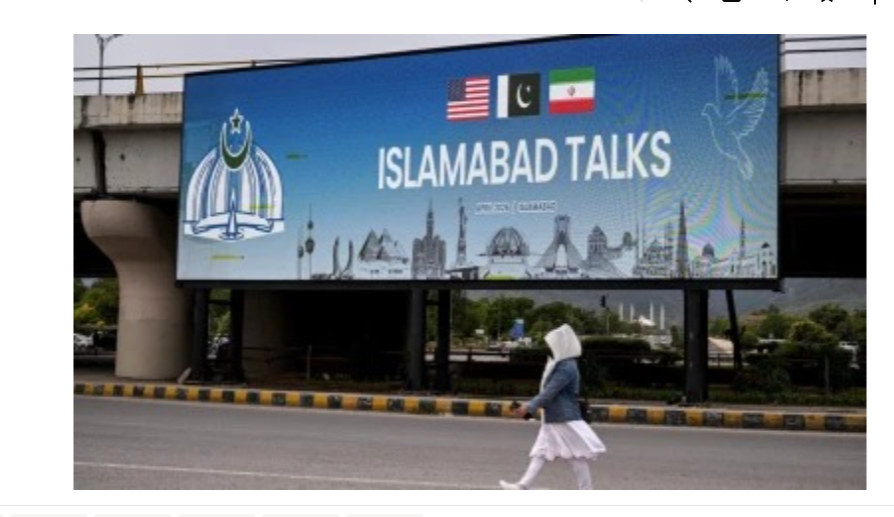
Tensions remain high as diplomatic efforts intensify to restart negotiations between the United States and Iran. Pakistan continues to play a key mediating role, even as major disagreements over a naval blockade stall progress toward a new round of talks.
According to Beyond Time News, Pakistani officials have stepped up backchannel diplomacy in an attempt to bring both sides back to the negotiating table. However, sources caution that no clear timeline has emerged, as both Washington and Tehran continue to test each other’s positions.
Pakistan’s Mediation Efforts Gain Momentum
Sources familiar with the situation say Pakistan has been actively engaging regional partners and international stakeholders to revive dialogue. Islamabad is reportedly urging flexibility on key demands, including the easing of restrictions on Iranian ports, which remain a central sticking point.
Officials involved in the process describe the situation as more complicated than earlier rounds of engagement. Although Pakistan previously helped facilitate initial contact between the two sides, the current deadlock has proven harder to resolve.
At the same time, diplomatic activity continues in Islamabad, where an advanced foreign delegation remains present. Authorities have increased security measures across the capital, with road closures and restrictions affecting daily movement.
Read more:UK Backs Pakistan’s in US-Iran Talks as Diplomatic Momentum
Standoff Over Naval Blockade Delays Talks
A major obstacle in the negotiations is Iran’s demand for the removal of a naval blockade on its ports. Sources suggest this issue has slowed down preparations for a second round of talks.
Pakistan is reportedly encouraging compromise from both sides. However, officials acknowledge that expectations differ sharply, making immediate progress difficult.
Some reports indicate that while discussions continue informally, official approval for a new round of talks has not yet been confirmed.
Mixed Signals From Washington and Tehran
Diplomatic sources say the United States believes pressure tactics, including maritime restrictions, could push negotiations forward. Meanwhile, Iranian responses have shifted between openness to dialogue and firm demands for sanctions relief.
This inconsistency has added uncertainty to the process. Analysts believe internal political differences within Iran may also be influencing its negotiating position.
Despite these challenges, mediators insist that both sides still recognize the importance of avoiding further escalation.
Pakistan’s Role as Key Mediator
Pakistan continues to position itself as a neutral facilitator. Officials and former diplomats argue that confidence-building steps—such as easing restrictions on shipping routes—could help restore trust.
Suggestions have also been made for gradual measures that would allow commercial movement in key maritime zones, helping reduce tensions while talks resume.
Hope for Progress, but No Clear Timeline
While some reports suggest that positive developments could emerge soon, officials involved in the process stress that no confirmed breakthrough has been reached.
Pakistan remains hopeful that continued engagement could eventually lead to renewed negotiations. However, they also acknowledge that the situation remains fragile and could shift quickly depending on political decisions in Washington and Tehran.
For now, diplomatic efforts continue behind the scenes, with Pakistan remaining at the center of attempts to bring both sides back to the table and avoid further escalation.
2 thoughts on “Pakistan Leads Mediation as US–Iran Naval Standoff Delays Talks”
Comments are closed.