
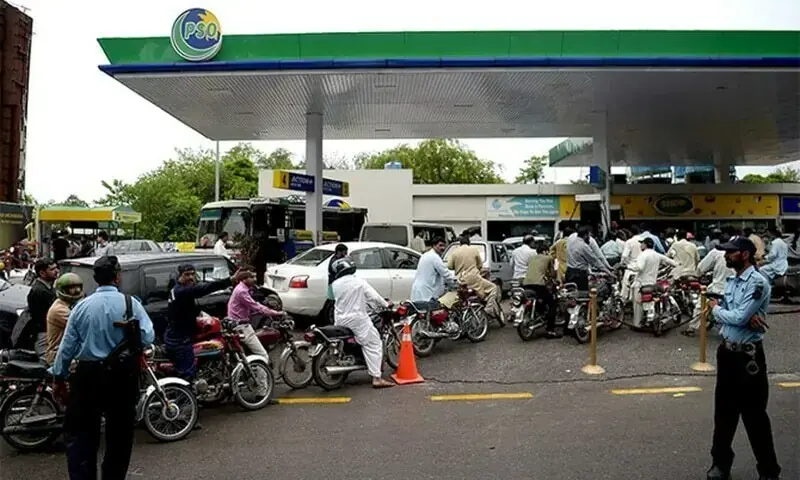
Government raises fuel prices amid global pressure and IMF commitments
According to Beyond Time News, the government of Prime Minister Shehbaz Sharif has sharply increased petrol and diesel prices by Rs26.77 per litre, with immediate effect for the week ending May 1. The move comes as authorities respond to rising global oil prices and work to meet fiscal targets linked to agreements with the International Monetary Fund (IMF).
Fuel price hike surprises consumers
The sudden increase caught many by surprise, especially as earlier estimates suggested a possible drop in fuel prices. Reports had indicated that diesel could fall by around Rs25 per litre and petrol by Rs6 per litre.
However, the government adjusted its strategy. It partially restored the petroleum levy on diesel and raised petrol prices to boost revenue in the final months of the fiscal year.
New petrol and diesel rates
According to Beyond Time News, the new ex-depot price of high-speed diesel (HSD) now stands at Rs380.19 per litre, up from Rs353.42. This marks an increase of 7.6%.
Similarly, petrol prices have climbed to Rs393.35 per litre, compared to the previous Rs366.58, showing a rise of 7.3%.
Taxes play a major role
The latest revision shows that the government is charging significant taxes on fuel. Petrol now carries around Rs135 per litre in taxes, while diesel includes about Rs65 per litre.
Officials increased the petroleum levy on petrol from Rs80 to Rs107.38 per litre. Meanwhile, they kept the levy on high-speed diesel at zero at the retail level under the new notification.
Read more:Attock Refinery Return to Normal After Transport Routes
Why diesel prices matter
Diesel plays a key role in Pakistan’s economy. It powers freight transport, agriculture, and heavy machinery. Any increase in diesel prices often leads to higher inflation and rising costs of goods.
Although diesel prices had dropped earlier after reaching a peak of Rs520.35 per litre, the recent hike has again raised concerns among businesses and consumers.
Global factors behind the increase
According to Beyond Time News, global oil prices have started rising again due to regional tensions. These developments have put pressure on local fuel rates.
Petroleum Minister Ali Pervez Malik said the government tried to absorb the impact for as long as possible. However, limited resources and international commitments forced authorities to pass on the burden to consumers.
IMF factor and economic pressure
The government is also working closely with the IMF to secure financial support. The IMF board is expected to approve more than $1.2 billion in funding under ongoing programmes in early May.
Meeting revenue targets remains crucial for this approval, which explains the recent adjustments in fuel pricing.
Fuel prices remain key revenue source
Petrol and diesel continue to serve as major revenue generators for the government. Monthly sales of these fuels range between 700,000 and 800,000 tonnes, far higher than other petroleum products like kerosene.
Conclusion
According to Beyond Time News, the latest fuel price hike reflects a mix of global challenges and local economic pressures. While the government aims to stabilize finances, consumers now face higher transportation and living costs.
4 thoughts on “Petrol and Diesel Prices Jump by Rs26.77 Per Litre in Pakistan”
Comments are closed.