
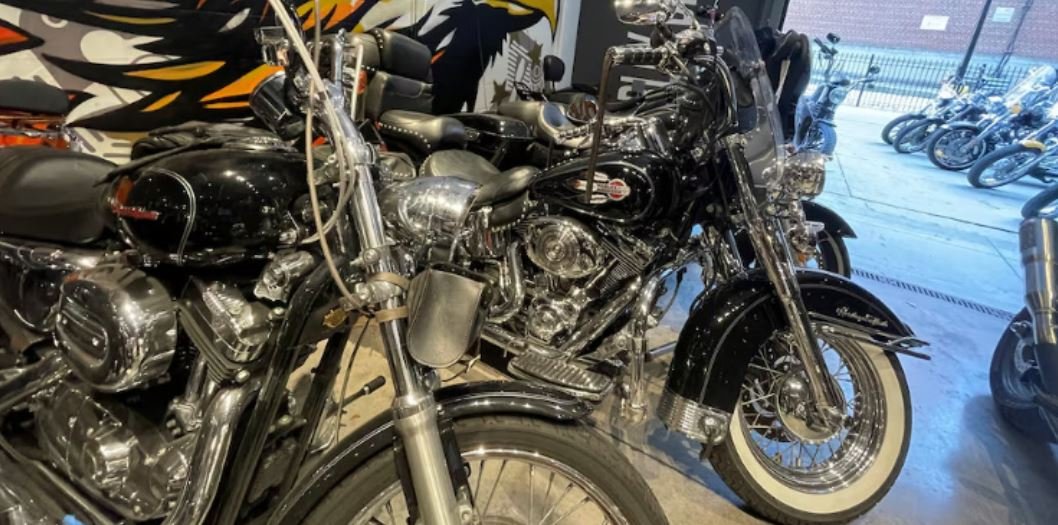
India has agreed to sharply reduce import tariffs on high-end American automobiles and remove duties on Harley-Davidson motorcycles under an interim trade agreement with the United States, according to an official familiar with the matter. However, electric vehicles have been excluded from the concessions, a decision that effectively leaves US EV maker Tesla outside the scope of the deal.
The move follows the release of an interim trade framework by Washington and New Delhi on Friday, signaling progress toward a broader bilateral pact. The development comes days after US President Donald Trump announced that tariffs on Indian exports would be lowered to 18 percent from 50 percent, in return for India suspending purchases of Russian oil.
Under the agreement, import duties on conventional internal-combustion engine vehicles with engine capacities exceeding 3,000 cubic centimeters will be reduced in phases to 30 percent over a 10-year period, the official said.
Tesla UK sales plunge in January as China brands race ahead
TESLA SHUT OUT OF TARIFF CUTS
Electric vehicles have been excluded from the deal, the official added, shutting the door on a possible lower-tariff entry route for Tesla – ignoring a key demand from Elon Musk, who has frequently criticised India’s high duties.
The stance contrasts with the broader auto access India has offered to the European Union, where New Delhi agreed to steeper tariff cuts to as low as 10%, across a wider range of vehicles, including eventual concessions on some electric vehicles.
India, the world’s third-largest car market after the U.S. and China, has long protected its domestic auto industry with steep import tariffs of 70% to 110%.
It currently imports few cars from the U.S., although it does bring in high-end motorcycles such as Harley-Davidsons, and other premium motorbikes will also receive reduced duties, the official said.
The official, aware of the discussions, declined to be identified as the details of the interim pact have not been fully disclosed. India’s trade ministry did not immediately respond to an emailed request for comment outside usual office hours.
The tariff cuts are likely to be implemented after the two sides sign an agreement in March.