By: Naseem Sabzal
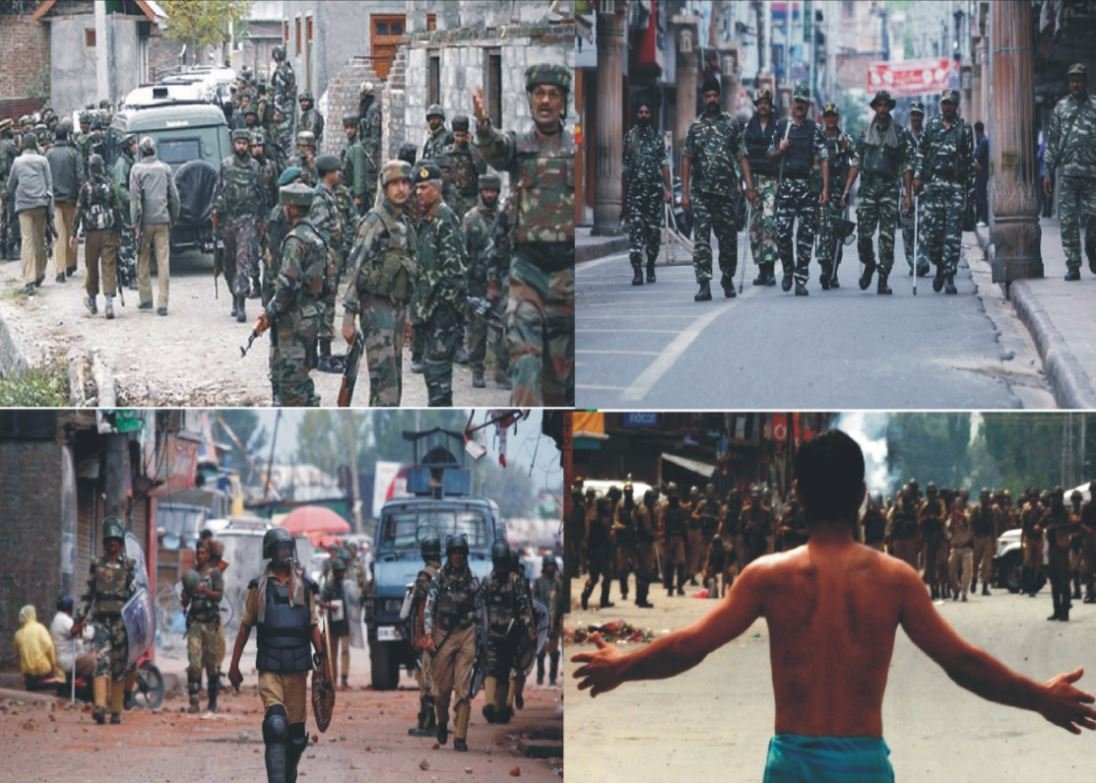
Every year, February 5 arrives and compels the world to remember the injustice, suffering, militarisation, and human rights crises in Indian Illegally Occupied Jammu and Kashmir (IIOJ&K). This remembrance is not just for Pakistanis, but for every member of the international community that claims to protect human rights all around the world. However, each passing year brings an unforgettable reality of violence and tragedies for the people of Kashmir under Indian occupation. For more than seven decades, the people of Kashmir have been deprived of their basic rights, and life continues under curfews, military operations, and violence. The Kashmir issue is not just a territorial dispute but a history of human rights crises, which calls on the international community to move beyond symbolic Security Council resolutions and take practical actions under international law. Kashmir Day is not merely a ceremonial day; it is a reminder of the unfinished promises made by the international community and the continuous failure of international law.
The Kashmir dispute has been acknowledged by the United Nations (UN) since 1948, which rejects India’s deceptive claim that Kashmir is its internal matter. Yet over seven decades, the UN has failed to resolve the dispute and allow the people of Kashmir to decide their own future. The persistent failure of the international community has facilitated the Indian occupation, and Kashmir has become the most militarised region in the world. This has caused wars and mistrust in South Asia over the years. India has consistently rejected any third-party intervention in the Kashmir dispute, which reflects New Delhi’s moral and political reluctance to resolve this matter. It also raises serious questions about the ground reality of India’s treatment of the Kashmiri people under occupation, which affects their lives, freedom, and human dignity.
Kashmiris urged to observe shutdown on Feb 11
Kashmir Day reminds the global community of Pakistan’s commitment to moral and political support for the people of Kashmir in their right to self-determination, while highlighting the dual accountability of the Indian occupation and the silence of the international community.
Since 2019, the Kashmir issue has emerged as a further breach of international law, as India revoked Articles 370 and 35A and removed the special autonomous status of the IIOJ&K, causing a total communication blackout, curfew, crackdown, and detention of the political leadership of Kashmir, alongside widespread protests and instability across the valley. Since then, the brutal Indian policies of the broader political project of demographic engineering to dilute the identity of indigenous Kashmiris have been exposed. Such actions not only violate international law but also question the credibility and legitimacy of international legal institutions responsible for protecting the rights and identity of the Kashmiri people. The silence of the global community on such illegitimate actions also weakens the hopes of the Kashmiri people on international institutions for their freedom and justice.
The complicity of the international community through silence has exposed certain hypocrisy while dealing with India. The strategic and economic partnerships of major powers with India have allowed it to escape accountability for its illegitimate actions and inhumane treatment of the Kashmiri people. This has exposed the principles of selective morality when those principles do not align with their geopolitical interests. This has reshaped the Kashmir conflict from a clear path toward a plebiscite to a drift into becoming one of the most heavily militarised zones in the world. The failure of the UN and international law not only complicates the Kashmir conflict but also threatens regional peace, as Kashmir remains the central issue in bilateral relations between the two nuclear-armed states in South Asia.
The world must acknowledge India’s brutal treatment of the Kashmiri people and its deliberate tactics to deny their right to self-determination. Kashmir is not just a problem to be managed, but a history of injustice that needs to be corrected to serve justice. The firm resolve of the Kashmiri people for their freedom, dignity, and justice has never shaken under seventy years of Indian occupation. It is time for the world to stand firm with its moral principles of democracy and human rights for demilitarisation to end, political dialogue to begin, and respect for the self-determination of Kashmiris to be upheld. Both India and the international community share this responsibility, as Pakistan remains open to a meaningful and peaceful resolution of this dispute, which affects regional peace and stability.
Naseem Sabzal is a Research Assistant at Balochistan Think Tank Network (BTTN), Quetta. He is also an MS-IR scholar at BUITEMS Quetta.