Srinagar: A growing tussle between the elected government in Indian illegally occupied Jammu and Kashmir and the New Delhi-appointed Lieutenant Governor administration has once again surfaced, with government employees increasingly becoming collateral victims of the institutional conflict.
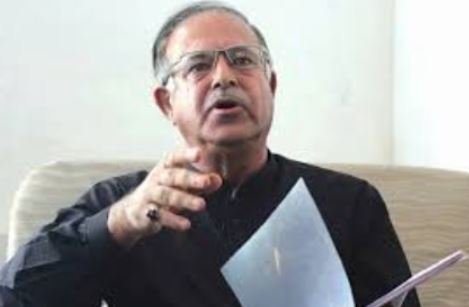
According to Beyond the Time News, the Deputy CM, while speaking to reporters in Srinagar, warned government employees against indulging in political activities or bypassing elected representatives, saying such conduct would invite strict action. He said government employees must work within the constitutional framework and take Members of the Legislative Assembly on board, as MLAs are part of the government and hold constitutional positions.
The warning has exposed the persistent ambiguity over authority, where bureaucrats remain answerable to the LG’s office while simultaneously being expected to follow directives of the elected government led by Omar Abdullah. The remarks by Surinder Choudhary reflect deeper fault lines in the governance structure imposed after August 2019.
Political observers say government employees are trapped in a no-win situation, facing pressure from the LG-led administration on one hand and the elected leadership on the other. Any action or inaction risks punitive measures, transfers or disciplinary proceedings, turning routine governance into a constant balancing act.
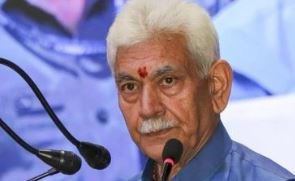
The Deputy Chief Minister’s emphasis on respecting the role of MLAs underlines the elected government’s frustration over being sidelined in decision-making, despite enjoying a public mandate. Analysts note that key administrative powers continue to rest with the Lieutenant Governor, Manoj Sinha, leaving the elected leadership struggling to assert authority and deliver on electoral promises.
Employees, meanwhile, are bearing the brunt of this structural contradiction. Sources said officers are often accused of flattery, political alignment or insubordination depending on which power centre they engage with, creating an atmosphere of fear and uncertainty within the administration.
Critics say this hybrid governance model has eroded accountability, weakened democratic norms and pushed civil servants into an impossible position, where institutional conflict overshadows public service delivery.