
For years, children with Down syndrome in Pakistan had very little institutional support. Sindh is now changing that — one centre at a time.
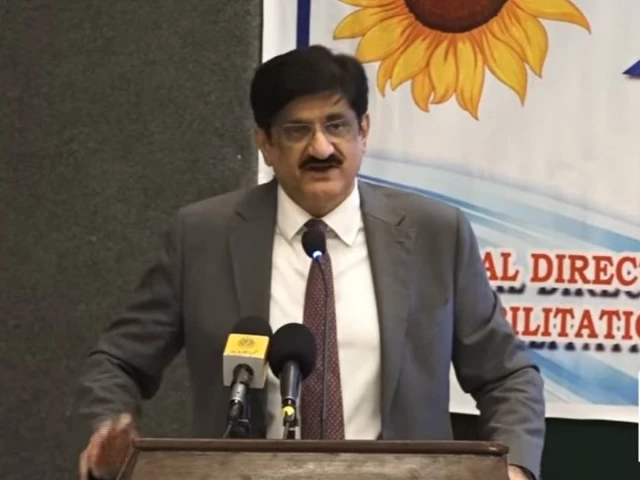
According to Beyond Time News, Chief Minister Murad Ali Shah announced the establishment of nearly 10 Down syndrome centres in Hyderabad, adding to facilities already running in Karachi.
Early Delivery, Bigger Plans
The Hyderabad centre was inaugurated two months ahead of schedule. CM Shah praised his team for the timely delivery and wasted no time assigning the next target — a similar centre in Sukkur. The long-term plan is to bring these facilities to every divisional headquarters across the province.
A City Built Around Their Needs
The government is also developing a dedicated modern city of 70 to 75 acres, designed entirely for children with Down syndrome. It will provide specialised care, a nurturing environment, and opportunities that these children rarely get access to.
“We will demonstrate by turning this city into an exemplary and modern Down Syndrome City for the world,” CM Shah said.
It is an ambitious statement — but the groundwork suggests it is more than just words.
Pakistan, Türkiye Plan Health Team to Strengthen Medical
Community at the Core
Real progress, Shah acknowledges, cannot happen without people. Earlier this month, he distributed Rs. 8 billion among 105 NGOs and partner organisations supporting disability programmes across Sindh. The network is growing, with over 140 organisations now working alongside the government.
Four special parks for children with disabilities are also being built as part of the wider initiative.
“A breakthrough in the sector has come when partner organisations joined hands with the government,” he said.
Karachi Also Getting Attention
On the same day, CM Shah visited University Road in Karachi with Mayor Murtaza Wahab to review the ongoing BRT project. FWO officials briefed him on progress, quality, and timelines. Shah reaffirmed that modernising Karachi’s road infrastructure remains a priority for his government.
Sindh is building something that goes beyond politics — a care system rooted in dignity, inclusion, and long-term commitment to children who deserve far more than they have traditionally received.

2 thoughts on “Sindh Is Building a Future for Children with Down Syndrome”
Comments are closed.