
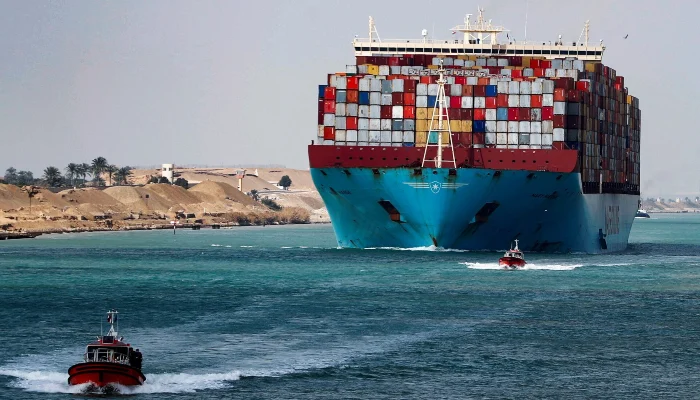
Rising tensions linked to Iran are transforming global trade patterns, forcing shipping companies to rethink traditional routes. As disruptions hit key waterways, Africa is quickly becoming a central hub for international container traffic.
Key Sea Routes Disrupted
According to Beyond Time News, the closure of the Strait of Hormuz and ongoing instability in the Red Sea have pushed shipowners to explore alternative paths.
Many vessels now avoid the Suez Canal and instead travel around Africa. Ships follow the eastern coastline and pass through the Cape of Good Hope before heading toward Europe.
Read more:Indian Firm Faces Scrutiny Over Alleged Iran Sanctions
Africa Becomes a Strategic Transit Hub
This shift has boosted the importance of African ports in global logistics. Several ports across the continent are seeing increased traffic as shipping companies reroute cargo to avoid high-risk zones.
At the same time, alternative ports outside the Gulf region—such as Sohar and UAE ports like Fujairah—are helping maintain supply chains through land connections.
Land Routes Replace Sea Access
With limited access to Gulf waters, companies now rely on land transport. Goods arrive at alternative ports and move by truck to destinations like Sharjah, Bahrain, and Kuwait.
However, this shift has created new challenges. For example, congestion is rising at Jeddah, where ships face longer waiting times for unloading.
Shipping Costs and Delays Increase
The impact on global trade is significant. Shipping times between Asia and Europe have increased by nearly two weeks. Companies also face higher fuel consumption and need more vessels to maintain delivery schedules.
Data shows that container shipping costs rose by 14% in April compared to last year. These increases reflect the growing pressure on supply chains.
Traffic Patterns Shift Dramatically
Recent data highlights a sharp change in shipping patterns. Traffic around the Cape of Good Hope has surged, while activity through the Bab al-Mandeb Strait has dropped significantly.
Daily vessel numbers around Africa have more than tripled compared to previous years. In contrast, Red Sea transit levels have fallen sharply.
Economic Impact on Key Regions
While some African ports benefit from increased activity, other regions face losses. Egypt, for example, has seen a major drop in revenue from the Suez Canal, losing billions due to reduced traffic.
Overall, the ongoing situation continues to reshape global trade, with long-term effects expected across shipping, logistics, and international markets.

3 thoughts on “Iran Conflict Reshapes Global Shipping Routes”
Comments are closed.