
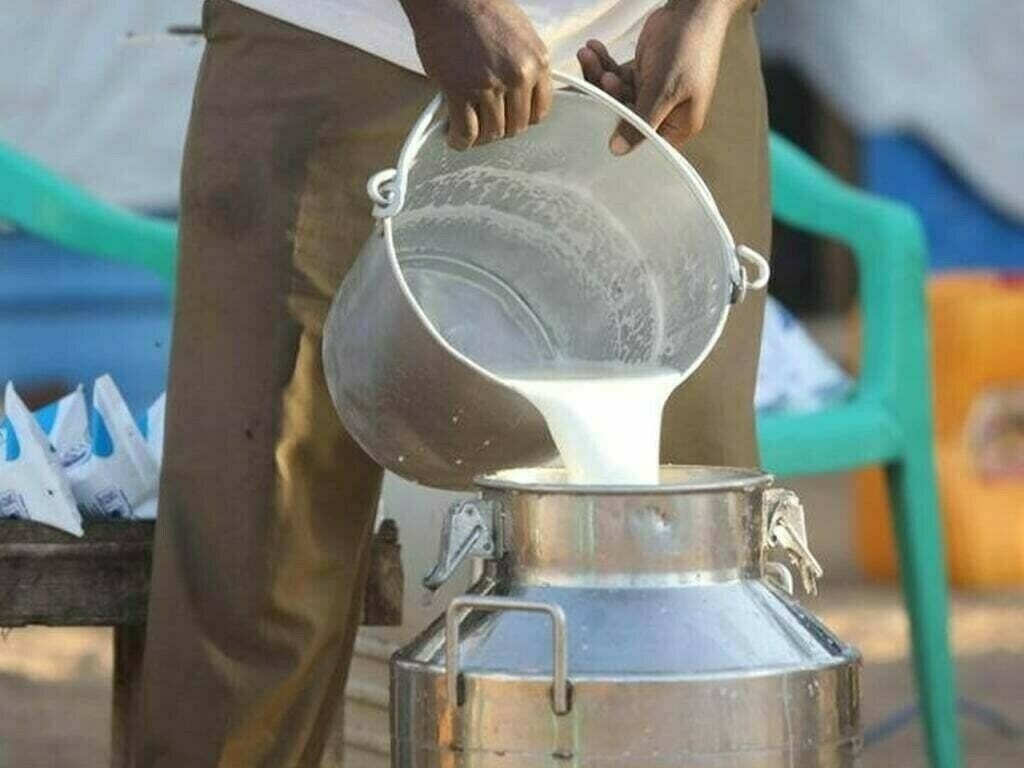
Islamabad – Pakistan’s dairy sector has shown strong and steady growth over the past 20 years, with milk production increasing by more than 80%, according to official data.
Sharp Rise in Milk Output
According to Beyond Time News, national milk production climbed from 31.97 million tonnes in 2005–06 to 58.3 million tonnes in 2024–25. This marks an increase of 82.3%, reflecting the continued expansion of the country’s livestock sector.
Production crossed key milestones along the way. It surpassed 40 million tonnes in 2013–14 and 50 million tonnes in 2020–21. Output kept rising in the following years, reaching 56.47 million tonnes in 2023–24 before hitting its latest peak.
Livestock Sector Drives Growth
Experts link this growth to better livestock management, improved feed supply, stronger veterinary care, and rising demand for dairy products in both urban and rural markets.
Pakistan now ranks among the major milk-producing countries in the world, with production approaching the 60-million-tonne mark.
Expanding Animal Population
Data from the agricultural census shows a significant rise in milk-producing animals. Cattle numbers increased to 55.86 million in 2024 from 29.56 million in 2006. Buffaloes also rose sharply to 47.74 million from 27.33 million.
Goat and sheep populations also grew strongly, supporting rural livelihoods and boosting dairy output across the country.
Read more:]Punjab Doubles Free Livestock Quota for Rural Women to Boost Economy
Rural Economy and Employment
The dairy sector plays a major role in Pakistan’s rural economy. It supports millions of families through farming, milk collection, and related businesses.
According to industry estimates, around 8 to 10 million farms operate across the country, while nearly 50 to 60 million people are linked to livestock activities. The sector contributes up to 40% of rural household income in many areas.
Provincial Contribution
Punjab leads in cattle and buffalo farming, making it the backbone of national milk production. Sindh and Khyber Pakhtunkhwa also contribute significantly through mixed livestock systems.
Balochistan stands out for its large sheep population, showing strength in small ruminant farming and arid-region livestock production.
Outlook for the Sector
Goats remain the most widely raised animals in Pakistan, followed by cattle, buffaloes, and sheep. Experts say the continued expansion of livestock farming will further strengthen food security, rural incomes, and dairy-based industries in the coming years.
2 thoughts on “Pakistan’s Milk Production Rises 82% in Two Decades”
Comments are closed.