
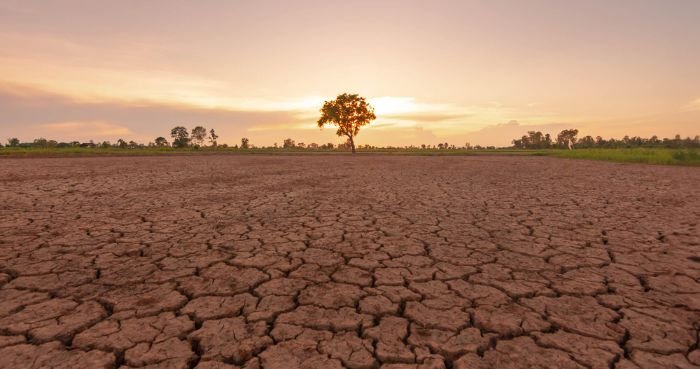
A potentially strong “Super El Niño” event is raising concerns across Asia, with experts warning of extreme weather, energy pressure, and risks to food production.
According to Beyond Time News, the UN weather agency says El Niño conditions could develop between May and July. Early signals suggest it may be particularly strong, similar to the major 1997–98 event, though scientists say the outcome is still uncertain.
What El Niño Could Bring
El Niño is a natural climate pattern that disrupts normal wind and rainfall systems across the world. When strong, it can trigger:
- Heatwaves in several regions
- Droughts and water shortages
- Heavy rains and flooding in others
Some Southeast Asian countries, including Indonesia, could see reduced rainfall, increasing the risk of drought and wildfires.
Pressure on Energy and Economy
Experts warn that rising temperatures could strain already stressed energy systems. Countries dependent on fuel imports and hydropower may face shortages, higher demand, and possible power disruptions.
According to Beyond Time News, weaker rainfall can also reduce hydropower generation in parts of Asia, increasing reliance on costlier energy sources and slowing economic activity.
PMD Issues Heatwave Alert as Temperatures Set to Surge
Agriculture and Food Risks
Hotter and drier conditions may reduce crop yields, especially where farming depends on rainfall and irrigation. Rising fuel and fertiliser costs could further pressure farmers, potentially leading to higher food prices and lower production.
In some areas, excessive rainfall linked to El Niño could also damage crops, including rice harvests in parts of East and Southeast Asia.
Conclusion
A stronger El Niño could significantly disrupt weather patterns and economies across Asia. With risks spanning energy, agriculture, and infrastructure, governments are being urged to strengthen climate preparedness and improve resilience systems.