
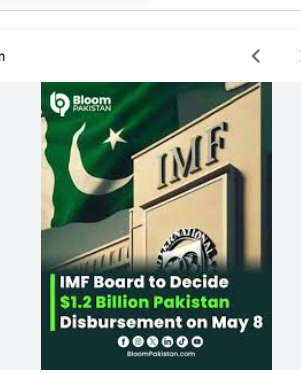
Pakistan secured another major financial boost after the International Monetary Fund approved loan tranches worth $1.2 billion. The approval came after the government agreed to several new economic conditions and promised to continue reforms under the IMF programme.
According to Beyond Time News, the funds will likely reach Pakistan early next week and could push the country’s foreign exchange reserves above $17 billion.
Pakistan Receives Fresh IMF Support
The newly approved amount includes $1 billion under the Extended Fund Facility and another $200 million through the climate-focused Resilience and Sustainability Facility.
With this latest release, Pakistan has now received around $4.5 billion from the IMF under two separate financial assistance programmes worth a combined $8.4 billion.
Officials said the government assured the IMF that it would continue following strict fiscal and monetary policies despite economic challenges and regional tensions.
Government Agrees to New IMF Conditions
Pakistan accepted nearly a dozen additional conditions to secure the latest loan approval. The government also pledged to stay committed to economic targets agreed before the recent Middle East tensions.
The IMF asked Pakistan to maintain tight control over spending and continue reforms aimed at stabilising the economy.
Officials confirmed that the government plans to achieve a primary budget surplus target of Rs3.4 trillion during the current fiscal year.
For the next fiscal year, Pakistan agreed to maintain a surplus target of Rs2.84 trillion, equal to 2% of GDP.
Focus on Tax Reforms and Revenue Targets
The IMF review showed that Pakistan met most of its financial targets for the July-December 2025 period. However, the Federal Board of Revenue failed to fully achieve its tax collection goals.
Revenue from retailers and overall tax collection remained below IMF expectations.
To reduce the shortfall, the government increased petroleum levy rates and promised stronger tax reforms in the coming months.
Officials also assured the IMF that Parliament would approve the next federal budget in line with the lender’s recommendations.
Energy Prices and Interest Rates May Rise
Pakistan also committed to regularly adjusting electricity and gas prices to reduce pressure on the energy sector.
The government promised to protect low-income households while continuing tariff reforms and improving the energy system.
Meanwhile, the State Bank of Pakistan has already raised interest rates to 11.5%. Officials indicated that rates could increase further if inflation remains above target levels.
Read more:Pakistan Expected to Receive $1.2 Billion IMF Tranche as Board Meets Today
New Rules for Economic and Technology Zones
As part of the agreement, Pakistan accepted reforms related to Special Economic Zones and technology parks.
The government agreed to gradually phase out tax incentives offered to these zones by 2035. Authorities will also amend laws to limit the power of different agencies in granting tax exemptions.
Another major condition requires Export Processing Zones to stop selling products in the local market by September this year. Officials believe this move will help reduce tax evasion and improve transparency.
Finance Minister Reaffirms Commitment
Finance Minister Muhammad Aurangzeb said the government remains committed to responsible economic policies and long-term reforms.
He stated that these measures aim to strengthen Pakistan’s economy, improve financial stability, and protect the country from future economic shocks.
Economic experts believe the IMF approval will provide short-term relief for Pakistan’s economy. However, many also warn that strict conditions and continued reforms could increase pressure on businesses and ordinary citizens in the coming months.
2 thoughts on “IMF Approves $1.2 Billion for Pakistan With New Economic”
Comments are closed.