
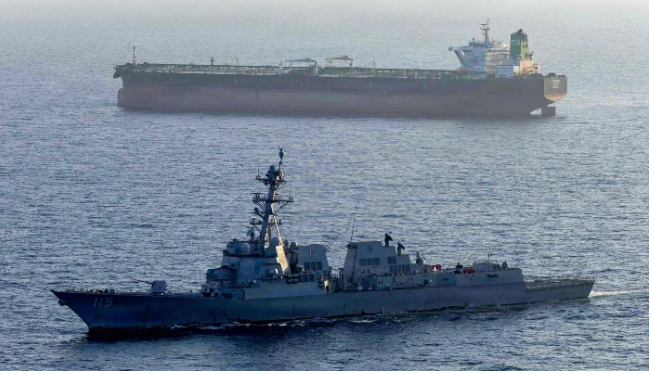
Fighting intensifies in the Strait of Hormuz
The United States and Iran showed no sign of de-escalation on Saturday as fresh clashes erupted in the Gulf, even as a fragile ceasefire remained in place. At the same time, a US intelligence assessment suggested Iran could endure a naval blockade for several months, reducing pressure for an immediate breakthrough in talks.
Tensions spiked again in and around the Strait of Hormuz, where sporadic exchanges between Iranian forces and US-linked vessels have continued. The situation has now marked one of the most serious flare-ups since the ceasefire began a month earlier.
Trump warns of escalation if talks fail
Meanwhile, US President Donald Trump warned that Washington could intensify its military response if negotiations collapse. He suggested a new strategy called “Project Freedom Plus,” an expansion of earlier maritime operations in the region.
Speaking to reporters, Trump said the US could shift approach if no agreement is reached. He added that the plan might be expanded further, although he did not provide specific details. He also noted that diplomatic mediation efforts involving Pakistan had influenced earlier decisions to pause military operations.
Diplomacy stalls as Tehran weighs response
On the diplomatic front, efforts to end the conflict remain stuck. Washington is still waiting for Tehran’s response to a US proposal aimed at formally ending the war before addressing wider issues, including Iran’s nuclear programme.
US Secretary of State Marco Rubio said a reply was expected soon. However, Iranian officials stated that Tehran was still reviewing the proposal, leaving negotiations uncertain and time-sensitive.
Intelligence reports suggest prolonged standoff
According to a US intelligence assessment, Iran could continue resisting economic pressure from a naval blockade for months. The report indicated that while trade disruptions are significant, Iran may not face immediate collapse under current conditions.
A senior intelligence official disputed that interpretation, arguing instead that the blockade is already causing severe economic strain and reducing Iran’s financial stability.
Renewed clashes and regional spillover
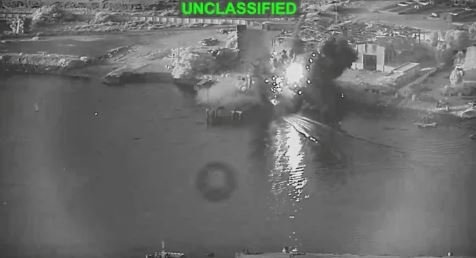
Military tensions also extended beyond the Strait of Hormuz. Reports indicated continued confrontations at sea, while US forces struck vessels allegedly linked to Iran as they attempted to approach a port.
In parallel, the United Arab Emirates reported intercepting incoming missiles and drones, with several injuries reported. Iran has denied responsibility for some of the attacks but has previously expanded strikes on Gulf-linked targets during the conflict.
Read more:US Congress Praises Pakistan for Role in US-Iran Peace Efforts
Economic pressure and sanctions increase
The United States has also stepped up economic pressure, imposing new sanctions on companies and individuals accused of supporting Iran’s military supply chains. These measures target networks involved in drone production and material procurement.
Oil markets reacted to the instability, with prices rising amid fears of prolonged disruption in one of the world’s most important shipping routes.
Ceasefire under strain as uncertainty grows
Although a ceasefire remains officially in place, both sides continue to accuse each other of violations. Diplomatic channels remain open, but military activity in the Gulf suggests the truce is increasingly fragile.
As talks stall and clashes continue, the conflict shows no clear path toward resolution, while regional security and global energy supplies remain under pressure.
One thought on “US–Iran War Escalates as Gulf Clashes Continue”
Comments are closed.