
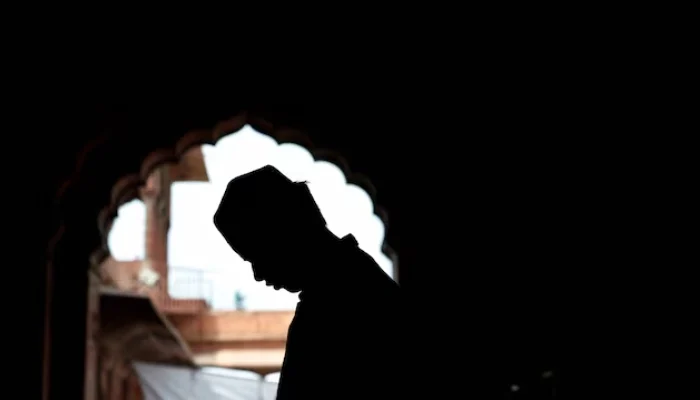
KOLKATA: India’s ruling Bharatiya Janata Party (BJP) has directed authorities in West Bengal to establish detention centres for undocumented Bangladeshis and Rohingyas, a move that has sparked concerns among minority communities over the possibility of arbitrary expulsions and stricter immigration measures.
According to reports, the directive was issued shortly after the BJP formed a government in the eastern state for the first time since India’s independence in 1947. The order instructs local authorities to create “holding centres” for individuals identified as foreign nationals while they await deportation.
Government Defends Crackdown on Illegal Migration
The government maintains that the initiative is part of its broader “detect, delete, deport” policy aimed at tackling illegal migration. Officials argue that undocumented migration poses security and socio-economic challenges that extend beyond routine law enforcement concerns.
Authorities stated that illegal migration carries implications for national security and public resources, making stronger enforcement measures necessary.
Minority Communities Express Concerns
The move has triggered anxiety among West Bengal’s Muslim population, estimated at around 35 million people, many of whom share cultural and linguistic connections with neighbouring Bangladesh. Critics contend that the policy reflects the BJP’s long-standing hardline approach to immigration.
Many community members fear that the detention centres could lead to wrongful identification and deportation of individuals without sufficient legal safeguards.
Previous Measures in Assam Draw Scrutiny
The BJP previously implemented similar policies in Assam, where authorities conducted extensive identification drives and detained large numbers of suspected undocumented migrants. Rights activists claim that hundreds of people were deported to Bangladesh without adequate legal procedures, while some cases allegedly involved ethnic profiling.
Furthermore, lawyers and human rights groups have challenged these actions in courts, arguing that the policies disproportionately affect Muslims by linking religious identity with questions of citizenship and migration status.
Read more:Indian Forces Launch Cordon and Search Operation in Baramulla Village
Rohingya Inclusion Sparks Criticism
The proposed detention centres in West Bengal have drawn additional scrutiny because of the state’s extensive border with Bangladesh and its long history of cross-border migration. At the same time, the inclusion of Rohingya refugees in the order has intensified criticism from humanitarian organisations.
Rights groups have previously accused India of forcibly returning Rohingya refugees to Myanmar despite ongoing conflict and instability there, raising concerns about compliance with international refugee protection standards.
Debate Over Minority Rights Intensifies
Meanwhile, concerns among minority communities have grown further after the BJP-led government in Assam introduced legislation seeking amendments to certain personal religious laws. Critics argue that the proposed changes could increase pressure on minority groups and deepen existing concerns over their rights and protections.
As a result, the latest directive has reignited debate over immigration policies, citizenship rights and minority protections in India, with opposition voices and rights advocates calling for transparency, due process and safeguards against wrongful detention or deportation.

One thought on “India Orders Migrant Detention Centres, Raising Expulsion Concerns”
Comments are closed.