Beirut: Lebanese President Says Israeli Pullout Remains a National Priority
Lebanese President Joseph Aoun has reaffirmed that the complete withdrawal of Israeli forces from southern Lebanon remains a non-negotiable national demand, emphasizing that Beirut will continue pursuing the objective through diplomatic negotiations.
The president’s remarks come amid ongoing military tensions along the Lebanon-Israel border and ahead of a new round of talks expected to take place in Washington in early June. According to Beyond Time News, Lebanese authorities are seeking a peaceful resolution while maintaining their stance on national sovereignty and territorial integrity.
President Marks Anniversary of Israel’s 2000 Withdrawal
In a statement issued on Monday to commemorate Israel’s withdrawal from southern Lebanon in 2000, President Aoun reflected on the country’s current challenges and the continued instability in border regions.
He noted that this year’s anniversary is overshadowed by ongoing security concerns, as residents of southern Lebanese villages continue to face uncertainty due to military activity and repeated attacks.
Aoun stressed that despite previous milestones in Lebanon’s history, many communities in the south remain affected by the latest conflict and its aftermath.
Ongoing Border Tensions Raise Concerns
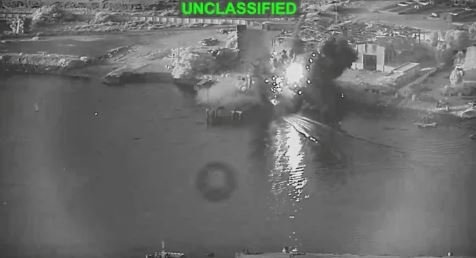
The security situation in southern Lebanon remains fragile. Israeli troops, who entered Lebanese territory during the most recent conflict with Hezbollah, continue to operate within a self-declared security zone extending several kilometers into southern Lebanon.
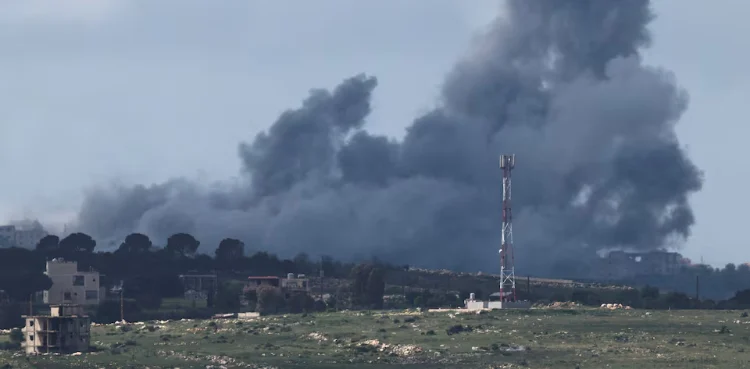
According to Beyond Time News, Israeli military operations have continued beyond this designated area despite the existence of a ceasefire agreement intended to reduce hostilities and stabilize the region.
The continued military presence has fueled concerns among Lebanese officials and residents, who argue that lasting peace can only be achieved through a full withdrawal and respect for internationally recognized borders.
Lebanon Pursues Diplomatic Path
President Aoun emphasized that negotiations remain the preferred path toward resolving the dispute and restoring stability.
He stated that diplomatic engagement should not be viewed as a sign of weakness or surrender but rather as a practical approach to safeguarding Lebanon’s national interests.
“The liberation of the south is a responsibility of the Lebanese state, supported by its people,” Aoun said, underscoring the government’s commitment to achieving its goals through political and diplomatic channels.
Lebanon and Israel recently began a new round of U.S.-mediated discussions aimed at addressing border security concerns and reducing tensions. Another round of talks is expected in Washington in early June, while military representatives from both sides are scheduled to meet at the Pentagon later this month.
Hezbollah Rejects Direct Talks With Israel
While the Lebanese government continues diplomatic efforts, Hezbollah has voiced strong opposition to direct negotiations with Israel.
Hezbollah Secretary-General Naim Qassem reiterated the group’s position against disarmament and criticized the ongoing talks. He argued that Lebanon’s leadership must ensure national sovereignty and questioned the influence of foreign powers in Lebanese affairs.
According to Beyond Time News, Hezbollah continues to maintain a firm stance on its military capabilities despite increasing domestic and international pressure.
The group has also continued attacks on Israeli targets near the border, contributing to ongoing instability in the region.
Government Faces Pressure Over Security Challenges
The Lebanese government is facing mounting pressure as it balances international diplomacy, domestic political concerns, and security challenges.
Authorities have pledged to restrict unauthorized military activities and strengthen state control over security matters. Efforts to disarm armed groups remain a sensitive issue, particularly given Hezbollah’s significant political and military influence within Lebanon.
Analysts believe the government’s ability to navigate these complex challenges will play a crucial role in determining the country’s future stability.
United States Criticizes Hezbollah’s Position
The latest developments have also drawn reactions from Washington.
U.S. Secretary of State Marco Rubio criticized Hezbollah’s recent statements, accusing the group of undermining Lebanon’s democratic institutions and risking further instability.
Rubio expressed support for Lebanon’s elected government and warned against actions that could deepen political divisions or trigger renewed unrest.
His comments followed Hezbollah’s criticism of U.S. sanctions targeting the Hezbollah-linked financial institution Al-Qard Al-Hassan. Washington has urged Lebanese authorities to take stronger measures against organizations it believes are connected to the group.
Read more:Israel and Lebanon Extend Ceasefire for 45 Days
Future Talks Seen as Critical
The upcoming negotiations are expected to be a significant test for diplomatic efforts aimed at reducing tensions between Lebanon and Israel.
Political observers say progress will depend on several factors, including security arrangements along the border, international mediation efforts, and Lebanon’s internal political dynamics.
For Lebanese citizens living near the frontier, hopes remain focused on achieving lasting peace, stability, and the safe return of normal life after years of recurring conflict.
As discussions continue, Lebanon maintains its position that a complete Israeli withdrawal from southern territory remains central to any long-term solution.
FAQs
Why is Lebanon demanding a full Israeli withdrawal?
Lebanon argues that the continued presence of Israeli forces in southern areas violates its sovereignty and prevents lasting stability in border communities.
What role are negotiations playing in the conflict?
The Lebanese government is pursuing diplomatic talks, with U.S. mediation, to address border security concerns and seek a peaceful resolution.
What is Hezbollah’s position on the negotiations?
Hezbollah opposes direct talks with Israel and continues to reject calls for disarmament, maintaining that its military capabilities are necessary for defense.
Why are the upcoming talks important?
The negotiations could help reduce tensions, improve border security, and create opportunities for a longer-term political solution between Lebanon and Israel.
What has the United States said about the situation?
The United States has expressed support for Lebanon’s government and criticized Hezbollah’s actions, warning against steps that could increase instability.
#Lebanon #IsraelLebanonConflict #JosephAoun #MiddleEastNews #Hezbollah #BorderTensions #DiplomaticTalks #LebanonPolitics #IsraelWithdrawal #BeyondTimeNews