Southern Lebanon: Israeli forces have intensified ground operations in Lebanon, raising their flag over the historic Beaufort Castle as military activity escalates across the south and evacuation warnings spread to civilians in multiple regions.
According to Beyond Time News, the development marks a significant escalation in cross-border hostilities, with Israeli troops advancing deeper into Lebanese territory while targeting positions linked to Hezbollah.
The move has drawn strong condemnation from Lebanese officials, who accuse Israel of pursuing a “scorched-earth policy” that is forcing widespread displacement.
Israeli Forces Claim Control of Strategic Beaufort Position
The Israeli Defence Minister Israel Katz said troops had captured the Beaufort stronghold, describing it as a key strategic point overlooking southern Lebanon.
He stated that Israeli forces expanded their operations and reached the summit of the medieval castle, an area that historically served as a military base during earlier Israeli presence in Lebanon.
Katz said the operation reflects Israel’s ongoing objective to secure northern communities and disrupt armed groups operating near the border.
He also linked the current campaign to historical military events, noting the symbolic return of Israeli troops to a site associated with earlier conflicts in the region.
Military Expansion and Evacuation Orders Issued
The Israeli military issued wide-ranging evacuation warnings for civilians living south of the Zahrani River, north of the Litani River, and areas extending deep into southern Lebanon.
Military spokesperson Avichay Adraee warned residents to stay away from locations linked to Hezbollah, stating that any building used for military activity could become a target.
He emphasized that civilians in proximity to armed infrastructure could face serious risk, urging immediate evacuation from affected zones.
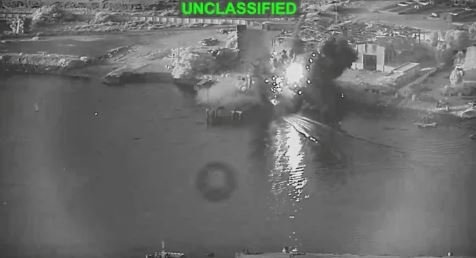
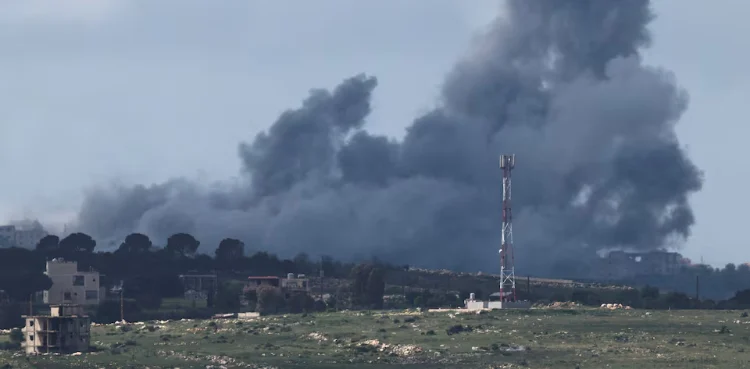
At the same time, reports indicated heavy shelling in several southern areas, including regions near the coastal city of Tyre, where strikes were also reported close to civilian infrastructure.
Lebanon Accuses Israel of “Collective Punishment”
Lebanese Prime Minister Nawaf Salam strongly condemned Israel’s military actions, accusing it of implementing a “scorched-earth policy” in southern Lebanon.
He said ongoing strikes are destroying towns and villages and forcing civilians to flee their homes, calling the situation a form of collective punishment.
Salam urged an immediate halt to the fighting and warned that continued escalation could further destabilize the region and worsen humanitarian conditions.
Continued Cross-Border Attacks Despite Ceasefire
Although a truce agreement was announced earlier, hostilities between Israel and Hezbollah have continued, with both sides accusing each other of repeated violations.
On Sunday, Hezbollah reportedly claimed responsibility for targeting Israeli positions in northern areas such as Shlomi and Nahariya, triggering air raid sirens across multiple locations.
In response, the Israeli military reported that more than 25 projectiles were fired from Lebanon into Israeli territory in a single day, marking one of the most intense exchanges since the ceasefire was declared.
Casualties and Ongoing Military Tensions
The Israeli military confirmed that one soldier was killed after being struck by an explosive drone launched from Lebanon. Officials said this brings the number of Israeli military deaths in the region to 25 since early March.
Meanwhile, Lebanon’s health authorities reported that Israeli strikes have killed more than 3,000 people since the latest escalation began, underscoring the heavy human cost of the ongoing conflict.
Read more:Israel Expands Ground Operations in Southern Lebanon Amid Intensifying Cross-Border Conflict
US-Brokered Talks Continue Amid Escalation
Despite continued fighting, military delegations from Israel and Lebanon recently held discussions in Washington under US mediation.
Officials described the talks as “productive,” although no firm breakthrough was announced. Further negotiations are expected in the coming week as diplomatic efforts continue to prevent a wider regional war.
Lebanese officials have expressed cautious interest in dialogue but warned that outcomes remain uncertain given the intensity of ongoing hostilities.
Regional Situation Remains Highly Volatile
The situation along the Israel-Lebanon border remains highly unstable, with frequent exchanges of fire, evacuation orders, and military movements continuing on both sides.
Analysts warn that the combination of ground operations, cross-border attacks, and civilian displacement could further escalate tensions unless a durable ceasefire is enforced.
For now, both military and diplomatic channels remain active, but the conflict shows few signs of de-escalation.
FAQs
Why did Israeli forces raise their flag at Beaufort Castle?
Israeli forces claimed control of the strategic site during expanded ground operations in southern Lebanon.
What evacuation orders were issued?
Israel ordered civilians to leave areas south of the Zahrani River, north of the Litani River, and nearby regions.
What has Lebanon said about the attacks?
Lebanon’s prime minister accused Israel of carrying out a “scorched-earth policy” and collective punishment.
Are Israel and Hezbollah still fighting despite a ceasefire?
Yes, both sides have continued exchanging attacks despite an announced truce.
How many casualties have been reported?
Reports indicate dozens of military deaths on both sides, while Lebanese authorities report over 3,000 deaths since March escalation.
#Lebanon #Israel #Hezbollah #MiddleEastConflict #BeaufortCastle #BreakingNews #WorldNews #MilitaryOperations #Ceasefire #RegionalTensions