Islamabad: Pakistan has yet to secure significant tariff concessions from Chinese power producers operating under the China-Pakistan Economic Corridor (CPEC), Power Minister Awais Leghari said on Sunday. However, he highlighted that the government has already achieved more than Rs3.5 trillion in savings through revised agreements with other independent power producers (IPPs) and public-sector power plants.
According to Beyond Time News, the government continues efforts to reduce electricity prices and ease the financial burden on consumers through power sector reforms, renegotiated contracts, and measures aimed at tackling circular debt.
No Significant Progress in Negotiations With Chinese Power Plants
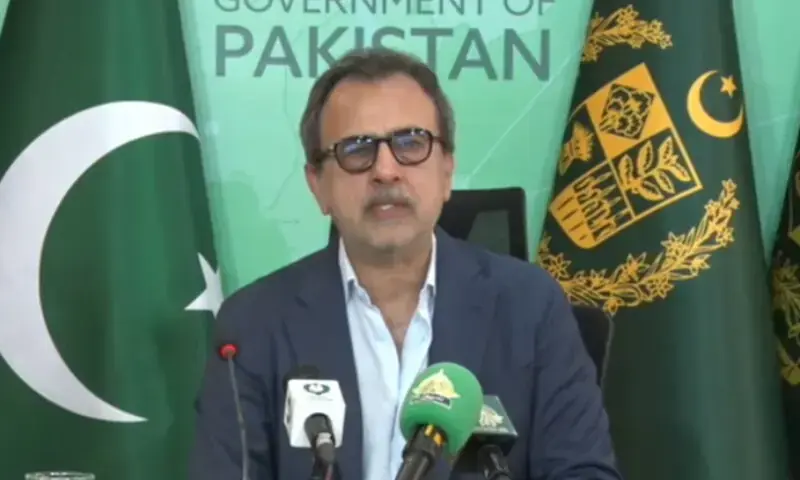
Speaking at a press conference, Leghari acknowledged that discussions with Chinese IPPs have not yet produced the desired results.
He explained that power projects established under CPEC operate within a government-to-government framework, which makes tariff revisions more complex than negotiations with other power producers.
The minister said authorities have sought concessions through debt reprofiling and other financial adjustments. However, meaningful progress has yet to emerge.
Leghari stressed that Pakistan must balance its efforts to lower electricity costs with its commitment to protecting foreign investments.
“We must respect the investments that came into Pakistan at a time when few investors were willing to invest in the country,” he said.
Despite the challenges, he expressed optimism that both sides could eventually reach an agreement that benefits consumers while maintaining investor confidence.
Rs3.5 Trillion Savings Achieved Through IPP Reforms
The power minister highlighted the government’s success in renegotiating agreements with 29 private and several state-owned power plants.
These revised contracts have generated projected savings of more than Rs3.5 trillion over the lifespan of the agreements, which range from three to twenty years.
The reforms form part of a broader strategy to lower electricity tariffs, reduce financial pressure on the power sector, and improve long-term sustainability.
Leghari noted that some of the existing agreements with IPPs will remain in effect until 2053.
Power Subsidy Burden Continues to Decline
The minister said improvements in operational efficiency have significantly reduced the government’s subsidy requirements.
According to official figures, the power sector subsidy fell from Rs1.287 trillion last year to Rs890 billion during the current fiscal year. The government expects the figure to decrease further to Rs830 billion in the upcoming fiscal year.
Leghari attributed the reduction to several measures, including:
- Lower system losses
- Better management of power distribution companies
- Transfer of surplus staff from generation companies to distribution companies
- Use of fiscal resources to reduce circular debt
He described the progress as an important step toward improving the financial health of Pakistan’s energy sector.
Neelum-Jhelum Hydropower Project Remains Offline
Leghari also addressed concerns regarding the Neelum-Jhelum Hydropower Project, which has remained non-operational for nearly 18 months.
The minister said design flaws forced authorities to shut down the project and undertake extensive repairs.
According to him, the Water and Power Development Authority (WAPDA) may require another year and a half to restore operations at the facility.
The prolonged shutdown has created substantial financial losses and increased dependence on more expensive electricity sources.
“The country is losing billions of rupees because cheap electricity from the project is unavailable,” Leghari said.
The project reportedly cost more than Rs500 billion to develop.
Government Claims Significant Reduction in Electricity Tariffs
The power minister stated that electricity rates have declined across multiple consumer categories over the past two years.
Government data presented during the briefing showed:
| Consumer Category | Tariff Reduction |
|---|---|
| Domestic Consumers | 16% |
| Commercial Consumers | 8% |
| Industrial Consumers | 33% |
| General Services | 10% |
| Bulk Consumers | 13% |
| Agriculture Sector | 14% |
Leghari said the national average electricity tariff dropped from Rs53.04 per unit two years ago to Rs42.26 per unit in May 2026, representing a reduction of approximately 20%.
He also noted that ending cross-subsidies removed an estimated Rs250 billion burden from industrial consumers, helping improve competitiveness and support economic activity.
Provinces Resist Removal of Electricity Duty
The minister revealed that efforts to eliminate electricity duty from power bills faced resistance from provincial governments.
Although the proposal did not move forward, he argued that lower electricity tariffs have already reduced the overall burden on consumers.
Read more:Minister Refutes Claims That Proposed 28th Amendment Aims to Undo 18th Amendment
Government Rejects Claims of Subsidy Withdrawal
Leghari dismissed reports suggesting the government plans to end electricity subsidies for low-income consumers.
He described such claims as misleading and clarified that authorities have introduced a registration system to ensure subsidies reach eligible households.
The new system uses QR-code registration and has already enrolled nearly two million single-phase consumers within a month.
The minister said public consultations will help determine the final eligibility criteria.
He emphasized that deserving consumers will continue receiving support without interruption.
However, authorities may review cases where consumers use multiple meters alongside solar power systems to remain below subsidy thresholds.
Solar Power Capacity Expected to Surge
Pakistan’s solar energy sector is also expected to expand rapidly over the next decade.
Leghari estimated that self-generated solar power capacity could increase from less than 20,000 megawatts today to nearly 50,000 megawatts within ten years.
The forecast comes despite recent policy changes that shifted the country from net metering to a net billing system.
The minister said renewable energy growth will continue to play a major role in Pakistan’s future energy mix and help reduce pressure on the national grid.
Power Sector Reforms Remain Key Challenge
Pakistan’s power sector continues to face challenges including circular debt, aging infrastructure, and high generation costs. While recent reforms have delivered significant savings and tariff reductions, negotiations with Chinese IPPs remain a critical component of the government’s long-term strategy to make electricity more affordable.
Officials hope continued discussions, combined with operational improvements and renewable energy expansion, will help create a more sustainable and consumer-friendly energy sector in the years ahead.
FAQs
Why is Pakistan negotiating with Chinese IPPs?
The government wants to reduce electricity generation costs and secure tariff concessions that could lower consumer power bills.
How much savings has Pakistan achieved through IPP reforms?
Authorities estimate savings of more than Rs3.5 trillion through revised agreements with private and public-sector power producers.
Why is the Neelum-Jhelum project not operating?
The project remains closed due to design-related issues and ongoing repair work.
Has the government ended electricity subsidies?
No. The government says eligible consumers will continue receiving subsidies through a new registration system.
How much has the average electricity tariff decreased?
According to government data, the national average tariff has declined by around 20% over the past two years.
#PakistanEnergy #ElectricityTariffs #AwaisLeghari #CPEC #ChineseIPPs #PowerSectorReforms #NeelumJhelum #SolarEnergy #PakistanEconomy #BeyondTimeNews