
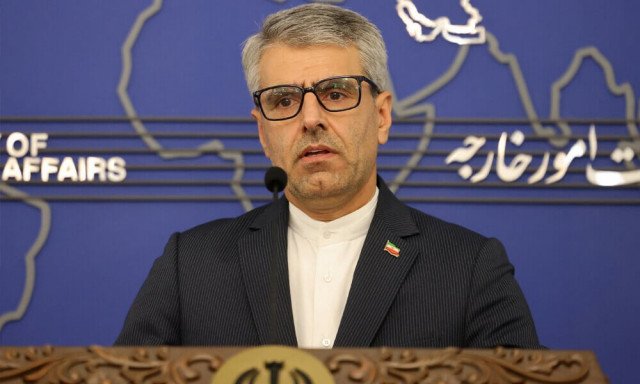
TEHRAN: Iran has made a ceasefire in Lebanon a key condition for any future agreement with the United States aimed at ending the ongoing regional conflict, signaling that diplomatic efforts remain closely tied to developments on the Israel-Lebanon front.
According to Beyond Time News, Iranian Foreign Ministry spokesman Esmaeil Baghaei stated that Tehran considers stability in Lebanon essential for any broader peace arrangement with Washington.
Iran Demands Lebanon Ceasefire in Peace Talks
Speaking during a press conference, Baghaei emphasized that Iran would not separate negotiations with the United States from the situation in Lebanon.
“We insist that a ceasefire in Lebanon is an essential condition for any deal aimed at ending the war,” he said.
His remarks came as fighting continues despite a ceasefire agreement that took effect in mid-April. Both Israel and Hezbollah continue to accuse each other of violating the truce, leading to renewed clashes and rising tensions across the region.
US and Iran Exchange Military Strikes
Meanwhile, tensions between Washington and Tehran intensified after both sides reported fresh military action.
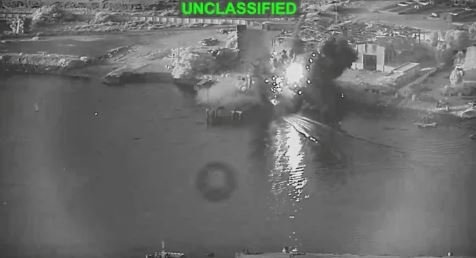
The United States said it carried out strikes against Iranian military targets along the Gulf coast following what it described as aggressive actions by Iran, including the downing of a US MQ-1 drone operating over international waters.
According to US Central Command, American fighter jets destroyed Iranian air defense systems, a ground control station, and two attack drones that officials said posed threats to maritime traffic.
In response, Iran’s Revolutionary Guard Corps announced that it targeted a US military air base used in operations against Iranian territory. However, Iranian officials did not identify the location of the base.
Kuwait Reports Missile and Drone Interceptions
The regional security situation grew more complicated after Kuwait reported intercepting missile and drone attacks.
Air raid sirens sounded across the country as air defense systems engaged what authorities described as hostile aerial threats. Kuwaiti officials did not provide additional operational details.
Later, Kuwait strongly condemned the attacks and described them as a serious violation of international law and national sovereignty.
The Kuwaiti Foreign Ministry said the incidents threatened civilian safety, critical infrastructure, and regional stability. It also reserved the country’s right to take necessary measures to protect its territory and citizens.
Diplomatic Efforts Continue Despite Violence
Despite the latest military exchanges, diplomatic contacts remain active.
According to Beyond Time News, US Secretary of State Marco Rubio recently held discussions with Lebanese President Joseph Aoun and Israeli Prime Minister Benjamin Netanyahu regarding efforts to reduce tensions.
Sources familiar with the discussions said Washington has proposed a gradual de-escalation plan. Under the proposal, Hezbollah would halt attacks on Israel, while Israel would avoid expanding military operations in Beirut.
Diplomats hope the initiative could create conditions for a broader regional agreement.
Fighting Continues in Lebanon
Nevertheless, violence in Lebanon remains a major obstacle to peace.
Israeli Prime Minister Benjamin Netanyahu ordered additional military operations in Beirut’s southern suburbs, an area considered a stronghold of Hezbollah.
Israeli officials said the decision followed repeated attacks and alleged ceasefire violations by Hezbollah.
At the same time, Hezbollah has continued to deploy drones and other weapons against Israeli forces operating in southern Lebanon.
The conflict has displaced more than 1.2 million people across Lebanon since March. Lebanese authorities report that more than 3,370 people have lost their lives during the fighting.
Israel, meanwhile, says 24 soldiers and four civilians have died since the conflict escalated.
Iran Defends Retaliatory Actions
Iran also defended its military response to attacks launched from neighboring countries.
Baghaei argued that international law prohibits states from allowing their territory to be used for attacks against other nations.
He further criticized some Western responses to the conflict, accusing certain international actors of applying double standards when assessing military actions in the region.
Trump Calls for Patience on Negotiations
US President Donald Trump also commented on the ongoing negotiations.
In a social media post, Trump reiterated his belief that Iran wants to reach an agreement. He urged critics to remain patient and expressed confidence that diplomatic efforts would eventually produce results.
At the same time, the US administration faces growing pressure over rising energy costs and concerns about global oil supplies.
Read more:Iran Denies Reports Claiming President Pezeshkian’s Resignation
Oil Markets React to Uncertainty
The ongoing conflict continues to affect global markets.
Oil prices rose by around 2 percent in Asian trading as investors reacted to uncertainty surrounding negotiations and regional security risks.
Analysts warn that prolonged instability could continue to impact energy markets, especially given concerns about shipping routes and oil supplies in the Gulf region.
Major Issues Still Divide Washington and Tehran
Although both sides continue negotiations, several major disagreements remain unresolved.
The United States maintains that preventing Iran from developing a nuclear weapon remains a central objective. Iran, however, continues to reject allegations that it seeks nuclear weapons capability.
In addition, Tehran wants broader sanctions relief and access to billions of dollars in frozen oil revenues held abroad.
Meanwhile, the ongoing conflict in Lebanon remains one of the most significant barriers to a lasting agreement between Iran, the United States, and regional stakeholders.
FAQs
Why is Iran linking a US deal to a Lebanon ceasefire?
Iran says any agreement to end the broader conflict must include a ceasefire in Lebanon because the situation there directly affects regional stability.
What triggered the latest US-Iran military exchange?
The United States said it launched strikes after Iran allegedly shot down a US drone. Iran later responded by targeting a US military base.
What role is the US playing in Lebanon negotiations?
The United States is promoting a gradual de-escalation plan involving Hezbollah, Israel, and Lebanese authorities.
Why are oil prices rising?
Investors fear that continued conflict and uncertainty in the Middle East could disrupt energy supplies and shipping routes.
What issues still divide the US and Iran?
Key disagreements include sanctions relief, frozen Iranian assets, regional security concerns, and Iran’s nuclear program.
#Iran #UnitedStates #LebanonCeasefire #MiddleEastConflict #Hezbollah #IsraelLebanonConflict #MarcoRubio #DonaldTrump #GlobalOilPrices #RegionalSecurity
One thought on “Iran Links US Peace Deal to Lebanon Ceasefire as Regional Tensions Escalate”
Comments are closed.