Oil markets retreated on Tuesday, giving up most of the previous session’s gains after Iran and Israel signalled a halt in direct attacks following calls from U.S. President Donald Trump, although both sides warned the situation could quickly reverse.
Crude Prices Edge Lower
Brent crude fell 91 cents (1%) to $93.34 a barrel at 0400 GMT, while U.S. West Texas Intermediate dropped $1.13 (1.2%) to $90.17 a barrel.
Prices had surged as much as 5% in the previous session amid renewed strikes and escalating regional tensions before easing after Iran announced an end to its latest military operations against Israel.
Markets Still Wary Despite Pause
Analysts said the temporary de-escalation helped cool prices but failed to ease broader uncertainty.
“Investors are not convinced the truce will hold,” said KCM Trade analyst Tim Waterer, noting that geopolitical risks remain elevated.
IG market analyst Tony Sycamore added that while the pause reduced immediate escalation risks, “a lasting peace deal remains elusive.”
Ceasefire Fragile as Warnings Continue
Iran and Israel both indicated they had paused attacks following Trump’s appeal to “stop shooting,” but Tehran warned it could resume operations if Israeli strikes in Lebanon continued.
Israeli Prime Minister Benjamin Netanyahu also said Israel would respond with force if Iran attacked again, keeping tensions high despite the pause.
Strait of Hormuz in Focus
Markets are also watching the Strait of Hormuz, a critical route for global oil shipments, as Washington continues diplomatic pressure on Tehran in ongoing talks.
Roughly one-fifth of global oil trade traditionally passes through the strait, making it a key flashpoint for supply risks.
Oil Prices Fall, Global Stocks Mixed Amid AI Concerns and Middle East Uncertainty
Military Developments Add Uncertainty
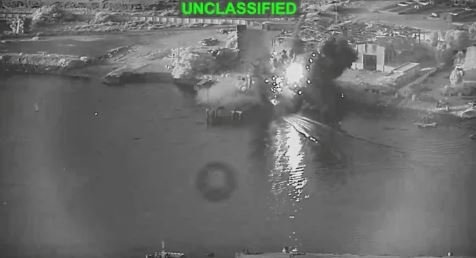
The U.S. military also said it disabled an unladen oil tanker in the Gulf of Oman after it allegedly attempted to sail to an Iranian port in violation of restrictions, further adding to market sensitivity.
Outlook
Analysts say oil prices are likely to remain volatile as investors weigh temporary de-escalation against the risk of renewed conflict in the region.
FAQs
Why did oil prices fall?
Because Iran and Israel signalled a temporary halt in attacks, easing immediate supply risk fears.
Are tensions fully resolved?
No. Both sides have warned they could resume hostilities.
What is driving market concern?
Geopolitical uncertainty and the risk of disruption to oil supply routes.
Why is the Strait of Hormuz important?
It handles about one-fifth of global oil shipments.
Will prices remain stable?
Analysts expect continued volatility due to fragile geopolitical conditions.