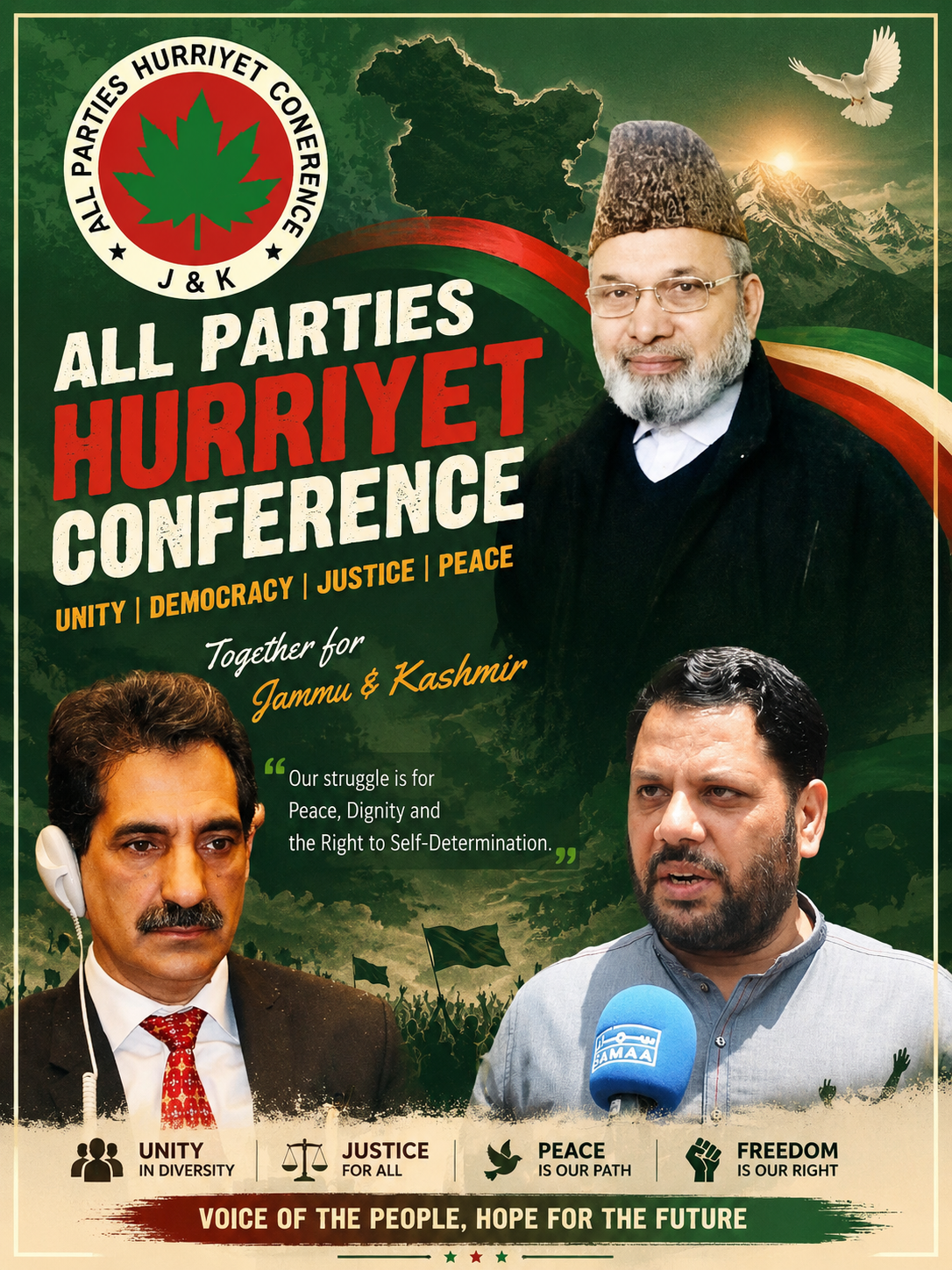
Muzaffarabad: Friends of Kashmir Vice Chairman Abdul Hamid Lone has formally reached out to a group of British parliamentarians, calling for a balanced, fact-based assessment of the evolving political and social situation in Azad Jammu and Kashmir (AJK). The move reflects growing efforts to ensure that international stakeholders receive a comprehensive understanding of recent developments in the region.
According to Beyond Time News, the correspondence was sent to more than a dozen members of the United Kingdom Parliament, including lawmakers from both the House of Commons and the House of Lords who have previously shown interest in Kashmir-related issues.
The letter was addressed to prominent parliamentarians, including Imran Hussain MP, Chair of the All-Party Parliamentary Group (APPG) on Kashmir, as well as several MPs and peers involved in discussions concerning South Asian affairs and human rights.
Call for Objective Assessment of Current Situation
In his communication, Abdul Hamid Lone emphasized the importance of evaluating events in Azad Jammu and Kashmir through the lens of evidence, constitutional principles, democratic norms, and the rule of law.
He argued that international observers, policymakers, and diplomatic institutions should consider all perspectives before drawing conclusions about the ongoing situation.
According to Beyond Time News, the letter stresses that public discourse surrounding recent developments should remain grounded in verified facts rather than political narratives or incomplete information.
The appeal comes at a time when political activism, public demonstrations, and governance issues have attracted increased attention both within Azad Jammu and Kashmir and among members of the Kashmiri diaspora abroad.
Background of the Joint Awami Action Committee
A significant portion of the letter focuses on the role and evolution of the Joint Awami Action Committee (JAAC), a platform that initially emerged to advocate for public welfare concerns.
The organization was originally formed by traders, business representatives, and members of civil society seeking solutions to issues affecting ordinary citizens. These concerns included inflation, access to essential services, utility costs, and broader economic challenges facing local communities.
In its early stages, the committee was widely viewed as a peaceful mechanism for expressing public grievances and encouraging authorities to address pressing socio-economic concerns.
However, according to observations cited in the letter, critics believe the organization’s direction gradually changed over time. They argue that the increasing influence of nationalist and separatist elements shifted the movement away from its original focus on public welfare toward broader political objectives.
The letter notes that statements made by some individuals associated with the movement, along with certain social media activities, prompted concerns among observers regarding the future direction of the organization.
Government Response and Public Demands
The communication highlights that both the Government of Pakistan and the Government of Azad Jammu and Kashmir initially attempted to address public concerns through dialogue and negotiation.
According to Beyond Time News, authorities accepted several demands aimed at reducing public dissatisfaction and easing economic pressures on citizens.
Despite these efforts, critics maintain that additional demands continued to emerge. Among the issues referenced in the letter was a proposal related to the twelve legislative assembly seats reserved for Kashmiri refugees.
Supporters of the existing constitutional arrangement argue that these seats represent the historical rights and political representation of displaced Kashmiris. Consequently, any proposal affecting this framework has generated debate among political stakeholders and community representatives.
The discussion reflects broader questions regarding governance, representation, and constitutional arrangements within Azad Jammu and Kashmir.
Rising Tensions and Security Concerns
The letter also refers to a period of increasing tensions that reportedly resulted in confrontations between protesters and law-enforcement agencies.
According to the official position cited in the correspondence, three security personnel lost their lives during the unrest, while more than forty police officers sustained injuries.
The incidents disrupted daily life in several areas and affected commercial activities, transportation, and public services.
The letter acknowledges that such developments raise legitimate concerns regarding public order and community safety. At the same time, it emphasizes the need for lawful and democratic approaches to resolving disputes.
Political analysts often note that prolonged periods of confrontation can have broader social and economic consequences. As a result, many stakeholders continue to advocate for dialogue and peaceful engagement as the most effective path forward.
Allegations Require Transparent Investigation
Another key issue highlighted in the communication involves allegations concerning external links and possible financial support connected to some individuals associated with the movement.
The letter also references claims that certain activists in the United Kingdom and Europe may have attempted to exert political pressure on elected representatives through organized campaigns.
However, Abdul Hamid Lone stresses that all such allegations must be examined through transparent investigations, legal scrutiny, and established judicial procedures.
According to Beyond Time News, the correspondence cautions against reaching conclusions before evidence is independently assessed by the appropriate institutions.
This emphasis on due process reflects broader democratic principles that seek to balance accountability with fairness and legal protections.
Debate Over Government Action
The Government of Azad Jammu and Kashmir subsequently declared the Joint Awami Action Committee a prohibited organization under the relevant legal framework.
Government representatives have argued that the organization departed from its original public mandate and became involved in activities viewed as harmful to public order and institutional stability.
Supporters of the movement strongly reject that characterization. They maintain that the organization represents legitimate public concerns and democratic expression.
The differing interpretations underscore the complexity of the issue and explain why international observers have been encouraged to consider all available evidence before forming assessments.
Read more:Chaudhry Abdul Majeed Remembered for Lifelong Commitment to Kashmir Cause and Refugee Welfare
Appeal to International Stakeholders
A central message of the letter is the importance of impartial engagement by international institutions.
Abdul Hamid Lone urged members of the UK Parliament, diplomatic missions, consular officials, and relevant international organizations to review developments objectively and without prejudice.
According to Beyond Time News, he called for a balanced evaluation of all representations and viewpoints submitted regarding the situation in Azad Jammu and Kashmir.
The letter argues that such an approach would contribute to informed policymaking and help safeguard the interests of the region’s population.
Focus on Peace, Democracy, and Rule of Law
The correspondence concludes by emphasizing the aspirations of the people of Azad Jammu and Kashmir for peace, stability, justice, and democratic governance.
It states that violence, intimidation, and extremism should be rejected in all forms, while constitutional rights and peaceful democratic processes should be protected.
Furthermore, the letter highlights the importance of accountability, mutual respect, and the rule of law as foundations for long-term stability and public confidence.
As discussions surrounding the future of Azad Jammu and Kashmir continue, the appeal reflects ongoing efforts to ensure that international stakeholders engage with the issue in a balanced, informed, and evidence-based manner.
Frequently Asked Questions
Who sent the letter to British parliamentarians?
Abdul Hamid Lone, Vice Chairman of Friends of Kashmir, sent the letter to several members of the UK Parliament and House of Lords.
What was the main purpose of the letter?
The letter called for a balanced, objective, and fact-based assessment of the current situation in Azad Jammu and Kashmir.
What is the Joint Awami Action Committee (JAAC)?
The JAAC was originally formed by traders and civil society representatives to advocate for public welfare issues, including inflation and access to basic services.
Why has the JAAC become controversial?
Critics argue that the organization shifted from its original welfare-focused agenda toward broader political objectives, while supporters dispute that characterization.
What appeal was made to international stakeholders?
The letter urged parliamentarians, diplomats, and international organizations to review all perspectives fairly and base their assessments on facts, evidence, and legal principles.
SEO Hashtags
#AzadJammuKashmir #AJK #Kashmir #FriendsOfKashmir #AbdulHamidLone #UKParliament #BritishMPs #Democracy #RuleOfLaw #HumanRights #PoliticalDevelopments #InternationalRelations