New Delhi: Three Indian sailors have been confirmed dead following a United States military strike on a commercial oil tanker off the coast of Oman, prompting diplomatic protests from India and raising fresh concerns over the safety of civilian maritime operations in the Gulf region.
According to Beyond Time News, the deceased sailors were among the crew members aboard the Palau-flagged tanker MT Settebello, which was struck near the strategically important waters surrounding the Strait of Hormuz. Indian authorities had initially reported the three seafarers as missing before confirming their deaths after recovery and identification efforts.
The incident marks one of the most serious maritime tragedies involving Indian crew members in recent years and has intensified concerns about escalating tensions in the region.
Indian Government Confirms Deaths
India’s Minister for Ports, Shipping and Waterways, Sarbananda Sonowal, expressed sorrow over the loss of the sailors and extended condolences to their families.
According to Beyond Time News, Sonowal described the deaths as a profound loss for India’s maritime community. He also assured that the government would provide support to the affected families and facilitate the return of both survivors and the remains of the deceased.
The minister directed relevant authorities to arrange the immediate repatriation of rescued crew members while ensuring that the bodies of the victims are returned to India without delay.
The vessel reportedly carried 24 Indian crew members. Rescue teams successfully evacuated most of those onboard following the strike, while search and recovery operations continued for the missing sailors before their deaths were confirmed.
India Lodges Strong Diplomatic Protest
Following the attack, India’s Ministry of External Affairs summoned a senior US diplomat in New Delhi to formally register a strong protest over the incident.
According to Beyond Time News, Indian officials conveyed concerns regarding the safety of civilian seafarers and commercial shipping operating in the region. The government also sought clarification regarding the circumstances surrounding the strike and its impact on Indian nationals working aboard the vessel.
The diplomatic response highlights the seriousness with which New Delhi views the incident, particularly given the significant number of Indian citizens employed in international maritime transport.
India has repeatedly emphasized the need to protect commercial shipping routes and civilian crews operating in conflict-prone waters.
Second Incident Involving Indian Crew Members This Week
The MT Settebello incident was not an isolated event. It was the second reported attack this week involving a merchant vessel carrying predominantly Indian crew members.
Earlier, Omani authorities conducted a rescue operation involving another Palau-flagged tanker, MT Marivex, after it was struck in the Gulf of Oman. Rescue helicopters evacuated Indian sailors from the vessel as smoke engulfed parts of the ship.
According to Beyond Time News, images shared by maritime organizations showed dramatic rescue efforts as emergency teams worked to remove crew members from danger. The back-to-back incidents have heightened concerns among maritime workers, shipping companies, and governments whose citizens serve aboard commercial vessels in the region.
Strategic Importance of the Strait of Hormuz
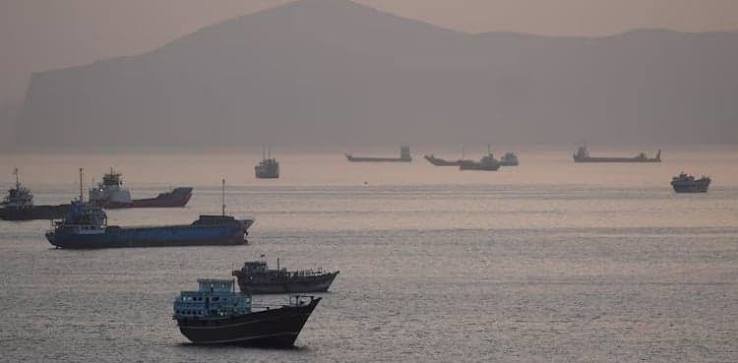
The attacks occurred near one of the world’s most critical maritime chokepoints.
The Strait of Hormuz serves as a major gateway for global energy supplies, connecting the Persian Gulf with international shipping routes. A substantial portion of the world’s oil and liquefied natural gas exports pass through these waters every day.
As a result, any military activity or security incident in the area can have far-reaching implications for international trade, energy markets, and regional stability.
According to Beyond Time News, growing tensions in the Gulf have increased risks for commercial vessels navigating the region. Maritime security experts have repeatedly warned that civilian ships can become vulnerable during periods of military confrontation and geopolitical uncertainty.
Read more:Iran Says Strait of Hormuz Will Be Jointly Managed With Oman Under International Law
Concerns Over Seafarer Safety
The deaths of the three Indian sailors have renewed calls for stronger protections for commercial maritime personnel operating in conflict zones.
India is one of the world’s largest providers of seafarers, with thousands of Indian nationals working aboard international cargo ships, oil tankers, and merchant vessels. Many routinely travel through high-risk maritime corridors, including the Gulf of Oman and the Strait of Hormuz.
Industry organizations have stressed the need for enhanced safety measures, improved communication protocols, and greater international cooperation to reduce risks to civilian crews.
According to Beyond Time News, maritime experts argue that seafarers often face significant dangers despite having no direct involvement in geopolitical disputes or military operations.
Government Pledges Support for Families
Indian authorities have pledged full assistance to the families affected by the tragedy.
Officials are coordinating with foreign governments, rescue agencies, and shipping operators to ensure that survivors receive necessary support and that the deceased sailors are returned home with dignity.
The government has also reaffirmed its commitment to safeguarding Indian nationals working overseas, particularly those employed in sectors exposed to heightened security risks.
Meanwhile, condolences have poured in from maritime organizations and community groups, many of which have praised the bravery and dedication of seafarers who continue to work under challenging conditions to support global trade.
As investigations and diplomatic discussions continue, the deaths of the three sailors serve as a stark reminder of the human cost of instability in one of the world’s most strategically important maritime regions.
Frequently Asked Questions
Who were the victims in the MT Settebello incident?
Three Indian sailors who were initially reported missing after the strike were later confirmed dead following recovery and identification efforts.
Where did the attack take place?
The tanker was struck off the coast of Oman near the Strait of Hormuz, a critical international shipping route.
How did India respond to the incident?
India summoned a senior US diplomat and lodged a formal protest regarding the attack and the deaths of Indian crew members.
Why is the Strait of Hormuz important?
The waterway is one of the world’s most significant energy transit routes, carrying a large share of global oil and gas shipments.
What support is being provided to the affected families?
Indian authorities are arranging the repatriation of survivors and the return of the victims’ remains while providing assistance to their families.
SEO Hashtags
#IndiaNews #Oman #MTSettebello #IndianSeafarers #MaritimeSecurity #StraitOfHormuz #ShippingNews #InternationalRelations #GulfRegion #MerchantNavy #WorldNews #BreakingNews