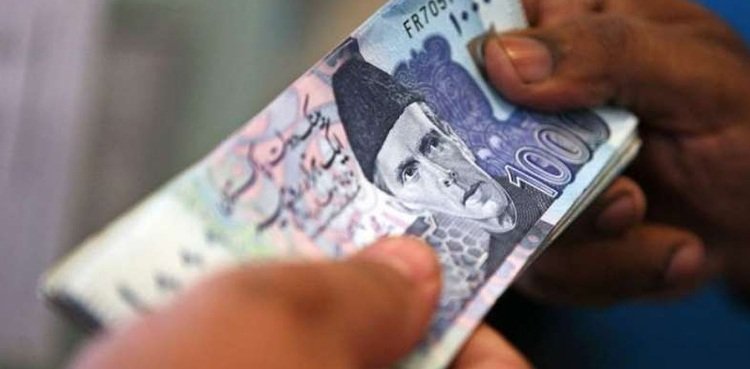
Islamabad: For millions of salaried Pakistanis, the federal budget is more than a government financial plan—it directly influences monthly income, purchasing power, and household spending. Every adjustment in tax rates, allowances, and public expenditure affects how much money remains in workers’ pockets after deductions and whether it is enough to cope with rising living costs.
According to Beyond Time News, the federal government’s latest budget seeks to provide relief to salaried individuals while balancing fiscal targets, economic reforms, and revenue requirements. However, many households continue to assess whether the proposed measures will meaningfully offset inflationary pressures and increasing expenses.
Salaried Class Remains a Key Focus
The salaried segment has long been one of the most documented and tax-compliant sectors of Pakistan’s economy. Unlike many other income groups, taxes for salaried employees are deducted directly from their earnings, making budget decisions particularly significant for this category.
The government has announced several measures aimed at reducing the tax burden on salaried individuals. Officials argue that these changes are designed to increase disposable income and provide financial relief at a time when households are facing higher costs for essential goods and services.
According to Beyond Time News, policymakers have described the budget as people-centric, with special attention given to employees, exporters, industrial sectors, and homebuyers.
Why Disposable Income Matters
Disposable income refers to the amount of money individuals retain after taxes and mandatory deductions. This remaining income is used to cover housing, food, transportation, healthcare, education, utility bills, and savings.
Even small changes in tax rates can significantly impact household budgets, especially for middle-income families.
For many employees, the key question is not only how much tax they pay but also whether their remaining income can keep pace with inflation and rising living expenses.
Economic experts note that household spending patterns often serve as an important indicator of consumer confidence and broader economic activity.
Inflation Continues to Influence Spending
Although inflation has eased compared to previous peaks, many families continue to experience pressure from elevated prices.
Food items, utility bills, transportation costs, education expenses, and healthcare expenditures remain major components of household budgets.
According to Beyond Time News, many salaried workers welcome tax relief measures but remain concerned about whether income growth will outpace future increases in living costs.
As a result, purchasing power remains a central issue in public discussions surrounding the budget.
Government Introduces Relief Measures
The government has announced several initiatives intended to support employees and improve financial conditions for public-sector workers.
Among the measures are revisions to allowances, adjustments in salary-related benefits, and tax relief proposals designed to reduce the burden on middle-income earners.
Officials argue that these steps will increase take-home pay and provide additional financial flexibility for households.
Furthermore, authorities believe that stronger consumer spending could contribute to economic growth by supporting business activity and domestic demand.
Balancing Relief and Revenue Targets
While providing relief remains a priority, the government must also ensure that revenue collection targets are achieved.
Pakistan continues to face fiscal challenges, including debt servicing obligations, development spending requirements, and commitments linked to economic reform programs.
Consequently, budget planners must strike a balance between reducing tax burdens and maintaining sufficient revenue to fund government operations.
According to Beyond Time News, policymakers are attempting to achieve this balance through targeted tax reforms, expenditure controls, and efforts to broaden the tax base.
Household Budgets Under Pressure
For many families, budgeting has become increasingly important in recent years.
Rising utility costs, rent, transportation expenses, and education fees have forced households to reassess spending priorities. In some cases, discretionary spending has been reduced to accommodate essential expenses.
Financial experts recommend careful budgeting, emergency savings, and debt management to help families navigate economic uncertainty.
Moreover, they emphasize the importance of long-term financial planning, particularly in periods of fluctuating inflation and economic adjustment.
Economic Growth and Consumer Confidence
Consumer spending plays a vital role in economic growth. When households have greater disposable income, they are more likely to purchase goods and services, supporting businesses and creating employment opportunities.
Therefore, tax relief measures can have broader economic effects beyond individual households.
According to Beyond Time News, government officials hope that increased spending power among salaried individuals will contribute to stronger economic activity and improved business confidence.
However, economists caution that sustained growth will depend on continued economic stability, investment, and effective implementation of reforms.
Looking Ahead
The true impact of the budget on salaried households will become clearer in the months ahead as tax measures take effect and economic conditions evolve.
Many employees will closely monitor changes in their take-home pay, monthly expenses, and overall purchasing power.
While the government has presented the budget as a step toward providing relief and stimulating growth, households will ultimately judge its success based on how effectively it improves their financial well-being.
As Pakistan continues its economic reform journey, the relationship between salaries, taxes, and living costs will remain a key concern for millions of working families across the country.
FAQs
Why is the federal budget important for salaried individuals?
The budget determines tax rates, allowances, and economic policies that directly affect take-home income and household finances.
What is disposable income?
Disposable income is the amount of money a person retains after paying taxes and mandatory deductions.
How do tax changes affect households?
Lower taxes can increase take-home pay, while higher taxes reduce the amount available for spending and savings.
Why are households concerned about inflation?
Inflation increases the cost of goods and services, reducing purchasing power even when incomes rise.
Can tax relief help economic growth?
Yes. Increased disposable income can boost consumer spending, support businesses, and contribute to overall economic activity.
#PakistanBudget #SalariedClass #IncomeTax #HouseholdFinance #EconomicGrowth #PakistanEconomy #Budget2026 #TaxRelief #Inflation #PersonalFinance #PakistanNews #BreakingNews