- Brent Crude Nears $85 as Escalating US-Iran Conflict Fuels Market Volatility
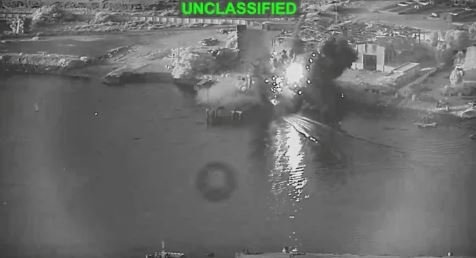
London: Global oil prices surged to their highest level in a month on Tuesday as escalating military tensions involving the United States and Iran heightened concerns over the security of energy supplies moving through the Strait of Hormuz, one of the world’s most important oil transit routes.
According to Beyond Time News, investors reacted to growing geopolitical uncertainty by pushing crude prices sharply higher, reflecting fears that prolonged instability could disrupt global oil exports.
Brent crude futures climbed $1.50, or 1.8%, to $84.80 per barrel, while West Texas Intermediate (WTI) crude rose $1.70, or 2.2%, to $79.84 per barrel during trading. Earlier in the session, both benchmark contracts posted gains of more than $2 per barrel before easing slightly.
Markets Respond to Rising Geopolitical Risks
Energy markets remain highly sensitive to developments in the Middle East because a significant share of the world’s oil exports passes through the Strait of Hormuz.
According to Beyond Time News, traders increased buying activity after renewed military actions raised concerns that regional tensions could affect shipping lanes and delay crude exports.
Analysts said that while no sustained disruption to commercial oil shipments has been confirmed, uncertainty surrounding the security situation has added a geopolitical risk premium to crude prices.
Strait of Hormuz Remains Critical to Global Energy Trade
The Strait of Hormuz connects the Persian Gulf to international shipping routes and is widely regarded as one of the world’s most strategically important maritime corridors.
Millions of barrels of crude oil and petroleum products move through the waterway every day, making any threat to navigation closely watched by governments, energy companies, and financial markets.
Shipping industry data cited by Beyond Time News indicated that tanker movements through the strait declined in recent days, contributing to market concerns over the reliability of future supplies.
Analysts Monitor Supply Risks
Market analysts said investors are focusing on whether regional tensions translate into actual disruptions to oil exports.
If shipping traffic continues without major interruptions, oil prices could stabilize as immediate concerns ease. However, any prolonged reduction in tanker movements or export capacity could place additional upward pressure on global crude prices.
Analysts noted that energy markets often react quickly to geopolitical developments, particularly when they involve key oil-producing regions or major transportation routes.
Oil Prices Edge Higher as Markets Weigh Supply Recovery, OPEC+ Output and Global Demand
Broader Regional Developments Add to Uncertainty
In addition to developments in the Strait of Hormuz, reports of military activity elsewhere in the Middle East have further increased market caution.
Security concerns affecting maritime routes in both the Persian Gulf and the Red Sea have prompted traders to closely monitor shipping activity and regional stability.
Energy companies, insurers, and shipping operators are expected to continue assessing operational risks while governments monitor the evolving security situation.
Inventory Data Also in Focus
Alongside geopolitical developments, investors are awaiting fresh data on U.S. petroleum inventories.
According to market expectations reported by Beyond Time News, U.S. crude oil stockpiles are projected to have declined during the previous week, while gasoline and distillate inventories may have increased.
Inventory reports are closely followed because they provide insight into fuel demand, refinery activity, and broader supply conditions that can influence oil prices.
Why the Price Increase Matters
Higher crude oil prices can have wide-ranging economic effects beyond the energy sector.
Rising oil prices often lead to increased transportation and manufacturing costs, which may contribute to higher fuel prices for consumers and businesses. They can also influence inflation, monetary policy decisions, and global economic growth.
For oil-exporting countries, stronger prices may boost government revenues, while oil-importing nations could face higher import bills and increased pressure on domestic fuel markets.
Outlook
Energy analysts believe oil prices are likely to remain volatile as long as geopolitical uncertainty persists.
Future market direction will depend on several factors, including developments affecting shipping through the Strait of Hormuz, regional security conditions, global oil demand, and upcoming economic data.
Investors are expected to continue monitoring official statements, shipping activity, and inventory reports for signals that could influence the next movement in global crude markets.
Conclusion
Oil prices climbed to a one-month high as geopolitical tensions heightened concerns over the stability of global energy supplies. Although physical disruptions to oil exports have not been broadly confirmed, uncertainty surrounding one of the world’s most important shipping corridors continues to shape market sentiment and keep energy traders on alert.
Frequently Asked Questions
Why did oil prices rise?
Oil prices increased because heightened geopolitical tensions raised concerns about potential disruptions to global oil supplies and shipping routes.
What is the Strait of Hormuz?
The Strait of Hormuz is a vital maritime passage connecting the Persian Gulf to international waters. A significant portion of the world’s oil exports passes through it.
What were the latest oil prices?
According to Beyond Time News, Brent crude traded around $84.80 per barrel, while WTI crude reached approximately $79.84 per barrel during Tuesday’s session.
Why is the Strait of Hormuz important to energy markets?
Any disruption in the strait can affect global oil supply, shipping costs, and fuel prices, making it one of the most closely watched locations in the energy sector.
What factors could influence oil prices next?
Future price movements will depend on regional security developments, shipping activity, global oil demand, inventory data, and broader economic conditions.
Hashtags
#OilPrices
#BrentCrude
#WTI
#StraitOfHormuz
#EnergyMarkets
#GlobalEconomy
#CrudeOil
#MiddleEast
#BreakingNews
#BeyondTimeNews