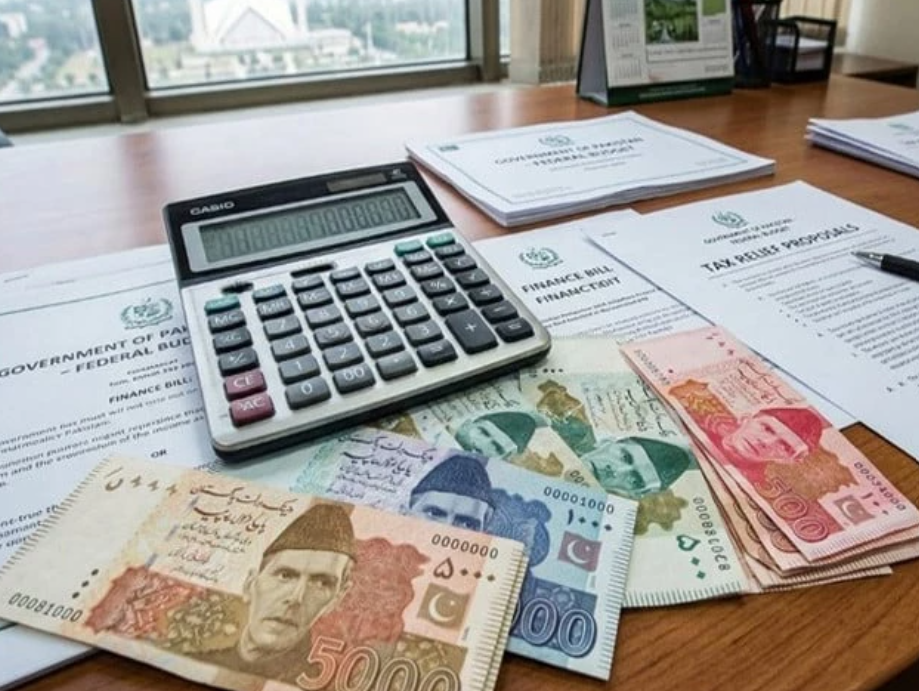
Islamabad: Pakistan’s Senate has proposed a 15% increase in salaries for government employees and recommended higher taxes on luxury assets and expensive vehicles in its suggestions for the federal budget 2026-27.
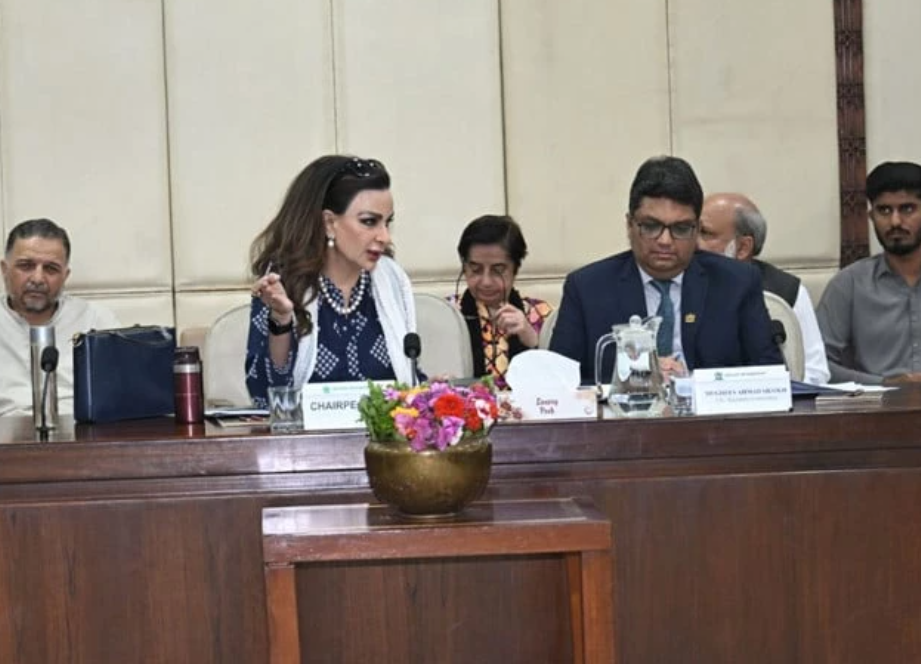
According to Beyond Time News, the upper house approved 123 recommendations after four days of debate and sent them to the National Assembly, which will make the final decisions on the budget.
The proposals aim to provide relief to salaried people and low-income households while increasing taxes on wealthy segments of society.
Senate Seeks Relief for Salaried Employees
One of the biggest recommendations is a 15% pay raise for federal government employees.
Senators also asked the government to restore frozen medical allowances for serving employees and pensioners. They said rising healthcare costs have increased the burden on families.
Lawmakers further recommended reducing income tax rates for salaried and low-income groups. They argued that inflation and higher living costs have put pressure on middle-class households.
The Senate also called for lower General Sales Tax (GST) on food items, medicines, educational supplies and agricultural inputs.
In addition, members urged the government to remove extra taxes and charges collected through electricity bills from domestic and low-income consumers. They also recommended allocating funds to lower electricity tariffs.
Agriculture Sector Gets Major Attention
Agriculture remained one of the key areas discussed during the budget debate.
According to Beyond Time News, senators proposed zero-rating taxes and duties on fertilizers, seeds, pesticides, diesel and agricultural machinery.
Lawmakers said these measures would help farmers reduce production costs and improve crop yields.
Agriculture plays a vital role in Pakistan’s economy. It supports millions of people and contributes to food security. Senators stressed that supporting farmers is necessary for long-term economic stability.
They also called for easier access to agricultural financing and more support for modern farming methods.
Pakistan’s 90% Inflation Trap Is Quietly Raising Taxes Without Any New Law
More Funding Proposed for Health and Education
The Senate recommended increasing spending on health and education.
Lawmakers called for higher allocations for public hospitals, primary healthcare centers, universities and scholarship programs.
Members noted that investment in these sectors remains below the country’s growing needs.
They said better healthcare and education are essential for economic growth and social development.
Wealthy Segments May Face Higher Taxes
Along with relief measures, the Senate proposed higher taxes on luxury consumption and high-value assets.
According to Beyond Time News, lawmakers suggested increasing taxes on vehicles with engine capacities above 3,000cc, luxury properties and non-productive assets.
They also recommended stricter documentation rules for luxury retail businesses and property transactions involving non-filers.
Senators proposed that lower property tax rates should only be available to first-time homebuyers. Investors buying additional properties should continue paying existing taxes.
The recommendations are aimed at expanding the tax base and improving revenue collection.
IT Exporters and Freelancers Could Get Long-Term Relief
The Senate also proposed extending tax exemptions for IT exporters and freelancers for another 10 years.
Lawmakers said the incentives would support Pakistan’s digital economy and encourage export growth.
The information technology sector has emerged as one of the country’s fastest-growing industries. Continued support, they said, would help create jobs and attract investment.
The upper house also urged authorities to simplify the tax system for small and medium-sized businesses.
Finance Minister Highlights Reforms
Finance Minister Muhammad Aurangzeb defended the government’s economic policies during the budget debate.
He acknowledged that Pakistan missed its GDP growth target because of difficult regional and global conditions.
However, he said structural reforms had continued across different sectors.
According to Beyond Time News, Aurangzeb said advance tax on exports had been abolished and financing costs had been reduced. He added that relief had also been provided to the construction sector.
The minister said no new taxes had been imposed on the IT industry. He added that efforts were underway to improve opportunities and training programs for freelancers.
Aurangzeb also highlighted measures aimed at helping farmers. These include easier access to credit and the removal of taxes on imported agricultural machinery.
He said the Federal Board of Revenue (FBR) was being digitized to improve efficiency and reduce human intervention.
Supreme Court of Pakistan Approves 100% Utility Allowance Hike for Employees from 2026
123 Recommendations Sent to National Assembly
Finance Committee Chairman Saleem Mandviwalla said his committee submitted 108 recommendations, while another 15 proposals came from the Senate Standing Committee on Planning.
This brought the total number of recommendations to 123.
Mandviwalla also proposed more incentives for solar energy and called for abolishing taxes on credit and ATM cards.
Senate Chairman Yousaf Raza Gillani said 56 lawmakers took part in the four-day debate before the recommendations were finalized.
After completing its proceedings, the Senate adjourned its session indefinitely.
The recommendations are advisory and do not automatically become part of the budget. The National Assembly will now review them before approving the final budget for fiscal year 2026-27.
Final Budget Decisions Yet to Be Made
The Senate’s proposals reflect efforts to balance economic relief with stronger revenue collection.
The recommendations seek to support salaried workers, farmers and the IT sector while asking wealthier groups to contribute more through taxation.
The National Assembly will now decide which proposals become part of Pakistan’s final budget for the next fiscal year.
FAQs
What salary increase has the Senate proposed?
The Senate has recommended a 15% increase in salaries for federal government employees.
How many recommendations were approved?
The upper house approved 123 recommendations and forwarded them to the National Assembly.
Which sectors could receive tax relief?
Agriculture, IT exporters, freelancers and small businesses are among the sectors expected to benefit.
What luxury assets may face higher taxes?
Luxury properties, expensive vehicles and other high-value assets could face increased taxation.
Who will make the final decision on the budget?
The National Assembly will consider the Senate’s recommendations before approving the final federal budget.
Hashtags
#PakistanBudget2026 #FederalBudget #SalaryIncrease #SenatePakistan #MuhammadAurangzeb #LuxuryTaxes #PakistanEconomy #GovernmentEmployees #ITExports #Agriculture #IslamabadNews #Budget202627