Islamabad: Concerns over Pakistan’s ability to tackle growing climate challenges intensified on Thursday after lawmakers questioned continued cuts in climate-related funding despite increasing risks from heatwaves, glacier melt and erratic weather patterns.
According to Beyond Time News, Senate Standing Committee on Climate Change and Environmental Coordination Chairperson Senator Sherry Rehman described the shrinking budget for climate initiatives as alarming and warned that Pakistan was entering a period of greater climate vulnerability.
She said the country was already experiencing rising temperatures, unpredictable rainfall, water shortages and increasing environmental stress in major cities. These challenges, she added, require stronger planning and more financial resources rather than reduced spending.
Senate Raises Concerns Over Declining Climate Allocations
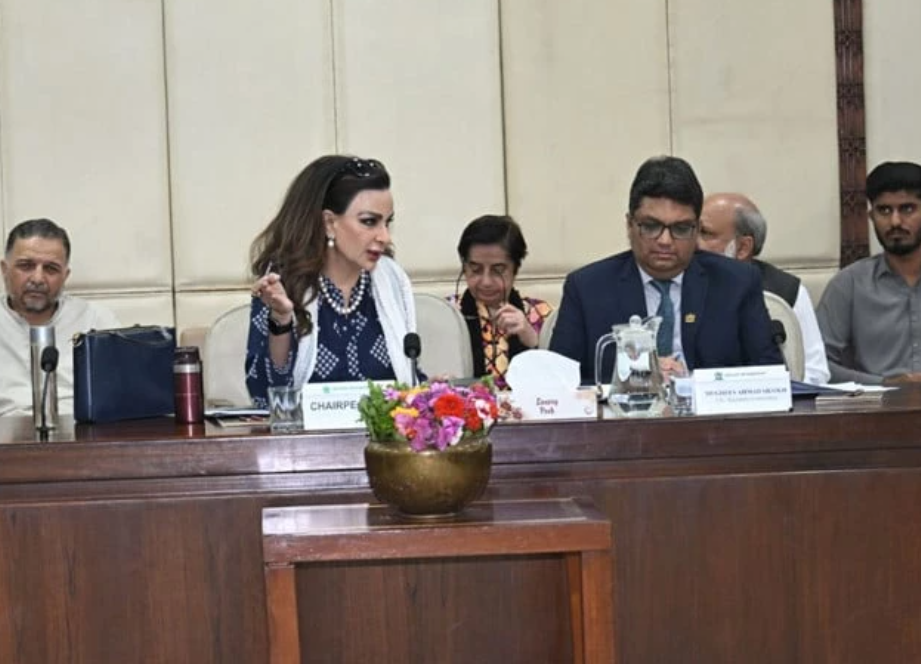
Chairing a meeting of the Senate committee, Sherry Rehman expressed concern over the Public Sector Development Programme (PSDP) allocation for the Ministry of Climate Change and Environmental Coordination.
For the fiscal year 2026-27, the ministry has been allocated Rs2.478 billion. The amount represents another decline after the allocation was reduced from Rs3.5 billion to Rs2.7 billion in the previous fiscal year.
According to Beyond Time News, Rehman said climate risks were increasing across the country, yet funding continued to decline.
She also pointed out that the ministry had faced difficulties in fully utilizing funds allocated in earlier years. However, she stressed that implementation challenges should not become a reason to weaken climate financing.
The senator warned that climate change was no longer a distant concern and that Pakistan needed stronger institutional support to deal with increasingly frequent natural disasters.
Questions Raised Over Climate Change Authority
The committee also discussed the role of the Climate Change Authority.
Sherry Rehman questioned the need for creating another institution and asked whether the authority was performing tasks that could not be handled by the climate ministry itself.
She argued that climate governance required better coordination among existing institutions rather than additional bureaucratic structures.
According to Beyond Time News, the senator described the authority as another state-owned entity without clearly defined responsibilities.
She emphasized that public resources should be directed toward practical climate action and efficient implementation instead of expanding administrative structures.
Concerns Over Mounting Losses of State-Owned Enterprises
During the meeting, lawmakers also reviewed the financial position of state-owned enterprises (SOEs).
Referring to official figures, Sherry Rehman noted that losses incurred by SOEs reached Rs832.8 billion during fiscal year 2025. She added that cumulative losses had climbed to Rs6.56 trillion.
Despite these losses, the current budget has allocated another Rs451 billion to state-owned entities.
The issue sparked debate about government spending priorities and the need for reforms aimed at improving financial discipline.
Pakistan Plants 2.3 Billion Saplings Under Green Pakistan Programme to Strengthen Climate Resilience
Monsoon Preparedness Reviewed
The Senate committee also examined Pakistan’s preparations for the upcoming monsoon season.
Officials from the National Disaster Management Authority (NDMA) and the Capital Development Authority (CDA) briefed lawmakers on measures being taken to deal with possible emergencies.
According to Beyond Time News, NDMA Chairman Inam Haider Malik informed the committee that the 2026-27 period could be influenced by El Niño conditions.
He warned that these weather patterns may increase the risk of extreme events and lead to greater climate variability across the region.
Experts have linked El Niño conditions with unusual rainfall patterns, higher temperatures and an increased possibility of floods and droughts in many countries.
Pakistan Remains Among the Most Climate-Vulnerable Nations
Pakistan contributes only a small share of global greenhouse gas emissions, yet it remains one of the countries most exposed to climate-related disasters.
Over the past several years, the country has witnessed severe floods, prolonged heatwaves, droughts and changing rainfall patterns.
These events have affected agriculture, infrastructure, water supplies and public health.
Climate experts have repeatedly stressed the importance of investing in adaptation measures, disaster preparedness and environmental protection to reduce future losses.
According to Beyond Time News, policymakers and environmental experts have increasingly called for stronger coordination among institutions and long-term climate planning.
Importance of Climate Financing
Climate financing has become a key issue for developing countries facing growing environmental risks.
Funding supports projects related to water conservation, renewable energy, forest protection, disaster management and climate adaptation.
Experts say that investment in climate resilience can help reduce economic losses caused by natural disasters and strengthen communities against future shocks.
Pakistan has also sought international support for climate-related initiatives, particularly after devastating floods and extreme weather events highlighted the country’s vulnerability.
Many analysts believe sustained investment and effective governance are essential for building resilience and protecting livelihoods.
Growing Pressure Ahead of Future Weather Challenges
The concerns raised by lawmakers come at a time when scientists are warning about the impact of rising temperatures and changing weather patterns across South Asia.
Heatwaves are becoming more frequent, glaciers are melting faster and water resources are facing increasing pressure.
Urban areas are also struggling with pollution and environmental degradation.
As climate threats continue to grow, questions surrounding funding, institutional capacity and disaster preparedness are likely to remain at the center of national policy discussions.
The Senate committee’s observations have highlighted the need for stronger planning and more effective use of resources as Pakistan prepares for future environmental challenges.
FAQs
Why did Sherry Rehman criticize climate funding cuts?
She said climate risks are increasing while budget allocations for the climate ministry continue to decline.
How much has been allocated for the climate ministry in 2026-27?
The Public Sector Development Programme allocation for the Ministry of Climate Change and Environmental Coordination stands at Rs2.478 billion.
What concerns were raised about the Climate Change Authority?
Lawmakers questioned its purpose and argued that stronger coordination among existing institutions may be more effective.
What warning did the NDMA issue for 2026-27?
NDMA Chairman Inam Haider Malik said El Niño conditions could increase the risk of extreme weather events and climate variability.
Why is climate financing important for Pakistan?
Climate financing helps support disaster preparedness, environmental protection and projects aimed at reducing the impact of climate change.
Hashtags
#PakistanClimateChange #ClimateBudget #SherryRehman #ClimateFunding #NDMA #ElNino #EnvironmentalProtection #PakistanWeather #Monsoon2026 #ClimateCrisis #IslamabadNews #PakistanEnvironment