
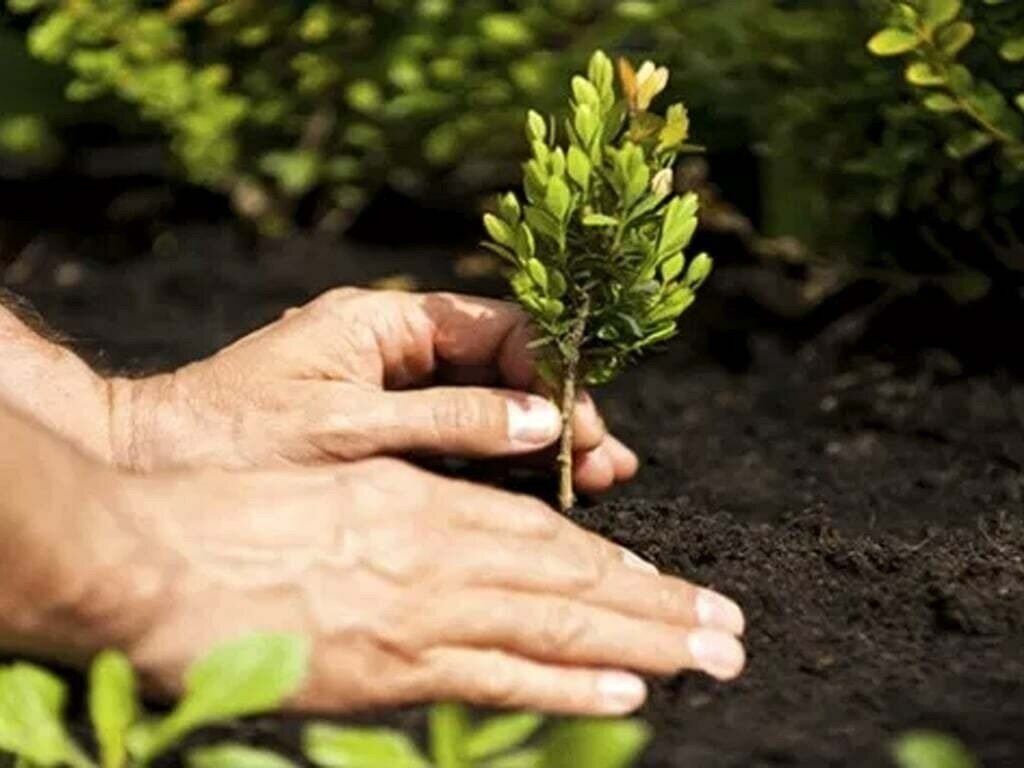
Islamabad: Pakistan has planted, regenerated, and distributed nearly 2.3 billion saplings under the Green Pakistan Programme during FY2025-26, marking one of the country’s most ambitious environmental initiatives aimed at combating climate change, restoring degraded ecosystems, and expanding forest cover.
According to Beyond Time News, the large-scale afforestation campaign has emerged as a central pillar of Pakistan’s environmental strategy as the country continues to face increasing climate-related challenges, including extreme temperatures, floods, droughts, land degradation, and biodiversity loss.
The initiative reflects growing efforts to improve environmental sustainability while enhancing the country’s resilience against the long-term impacts of climate change.
Green Pakistan Programme Achieves Major Milestone
Official data shows that by March 2026, Pakistan had planted, regenerated, or distributed approximately 2.283 billion saplings across different regions of the country.
The programme has achieved nearly 69.3 percent of its overall target and successfully increased tree cover across almost 700,000 hectares of land. These achievements place the initiative among the largest forestry and ecosystem restoration programmes undertaken in Pakistan’s history.
Environmental experts believe that expanding tree cover remains one of the most effective ways to address climate challenges while improving ecological balance and natural resource management.
Plantation Activities Continue Across Provinces
During the July-March period of FY2025-26 alone, provincial and territorial authorities planted, regenerated, or distributed around 30.5 million saplings.
Performance varied across different regions, reflecting local environmental conditions, resource availability, and implementation capacities.
Provincial Performance Highlights
- Sindh achieved 86 percent of its plantation target.
- Punjab reached 79 percent of its target.
- Khyber Pakhtunkhwa recorded 73 percent progress.
- Gilgit-Baltistan achieved 62 percent completion.
- Azad Jammu and Kashmir reached 34 percent of its target.
- Balochistan recorded 28 percent progress.
Officials noted that continued efforts are underway to accelerate plantation activities in regions where implementation remains below desired levels.
Why Pakistan Needs More Forest Cover
Pakistan remains among the countries with relatively low forest coverage compared to global averages.
Current estimates suggest that the country’s total forest area covers approximately 4.1 million hectares, accounting for only 4.7 percent of the national land area. Environmental experts have long argued that increasing forest cover is essential for ecological sustainability and climate adaptation.
At the same time, Pakistan continues to lose around 11,000 hectares of forest annually due to deforestation, illegal logging, urban expansion, and land-use changes.
This ongoing loss highlights the urgent need for large-scale reforestation and conservation initiatives.
Read more:Russia Claims Ukrainian Drone Struck Zaporizhzhia Nuclear Plant, Kyiv Denies Allegation
Climate Change Threats Drive Afforestation Efforts
Pakistan has experienced a series of climate-related disasters in recent years that have intensified concerns over environmental degradation.
The devastating floods of 2022 served as a stark reminder of the country’s vulnerability to extreme weather events. Millions of people were affected, infrastructure suffered extensive damage, and agricultural lands faced significant destruction.
Experts emphasize that forests play a crucial role in reducing climate risks by:
- Absorbing carbon dioxide emissions.
- Improving water retention in soil.
- Preventing soil erosion.
- Reducing flood intensity.
- Protecting biodiversity.
- Supporting sustainable livelihoods.
As climate change accelerates globally, environmental restoration programmes have become increasingly important for developing countries like Pakistan.
Environmental Benefits of Expanding Tree Cover
The Green Pakistan Programme extends beyond simple tree planting. It focuses on improving ecosystem health and restoring degraded landscapes that have suffered from years of environmental pressure.
Increasing tree cover contributes to:
Biodiversity Conservation
Forests provide habitats for numerous plant and animal species. Expanding forested areas can help protect endangered wildlife and strengthen ecological balance.
Improved Soil Quality
Trees reduce soil erosion and help maintain soil fertility, particularly in regions vulnerable to desertification and land degradation.
Better Water Management
Healthy forests support groundwater recharge and improve watershed protection, helping communities cope with water scarcity challenges.
Carbon Sequestration
Trees absorb carbon dioxide from the atmosphere, making afforestation an important tool for reducing greenhouse gas concentrations and mitigating climate change.
Public Health Benefits
Expanded green spaces contribute to cleaner air, lower temperatures in urban areas, and improved overall environmental quality.
Government and Provincial Collaboration
The Ministry of Climate Change and Environmental Coordination has implemented the programme in partnership with provincial and territorial governments.
Authorities have coordinated plantation drives, public awareness campaigns, community engagement activities, and ecosystem restoration projects to maximize environmental impact.
Officials say collaboration between federal and provincial institutions remains critical for achieving long-term forestry and climate objectives.
Moreover, local communities have increasingly participated in plantation campaigns, helping improve awareness about environmental conservation and sustainable resource management.
Forestry and Climate Goals Aligned
Pakistan has incorporated forestry and ecosystem restoration into its broader climate commitments and sustainable development agenda.
The country has pledged to strengthen environmental protection measures while pursuing international climate objectives aimed at reducing vulnerability to climate change.
According to Beyond Time News, policymakers view afforestation as a long-term investment that can generate environmental, economic, and social benefits for future generations.
Experts stress that maintaining newly planted forests, preventing illegal logging, and ensuring sustainable land management practices will be just as important as planting new trees.
Long-Term Challenges Remain
Despite notable progress under the Green Pakistan Programme, challenges remain.
Environmental analysts point out that plantation success depends not only on the number of saplings planted but also on survival rates, proper maintenance, and long-term ecosystem management.
Factors such as water shortages, climate stress, grazing pressures, and land-use conflicts can affect the survival of newly planted trees.
Therefore, experts recommend continued investment in forest management, monitoring systems, community participation, and environmental education programmes to ensure lasting results.
As Pakistan confronts growing climate pressures, initiatives like the Green Pakistan Programme are expected to play a vital role in strengthening environmental resilience and supporting sustainable development across the country.
FAQs
What is the Green Pakistan Programme?
The Green Pakistan Programme is a national afforestation and ecosystem restoration initiative aimed at increasing forest cover, combating climate change, and improving environmental sustainability across Pakistan.
How many saplings has Pakistan planted under the programme?
By March 2026, Pakistan had planted, regenerated, or distributed approximately 2.3 billion saplings under the programme.
Why is afforestation important for Pakistan?
Afforestation helps reduce climate risks, prevent soil erosion, conserve biodiversity, improve water management, and absorb carbon emissions.
Which province achieved the highest plantation target performance?
Sindh recorded the highest performance, achieving 86 percent of its plantation target during FY2025-26.
How much forest cover does Pakistan currently have?
Pakistan’s forest area covers about 4.1 million hectares, representing approximately 4.7 percent of the country’s total land area.
#GreenPakistanProgramme #ClimateChange #Afforestation #TreePlantation #EnvironmentalSustainability #PakistanEnvironment #ForestConservation #ClimateResilience #EcosystemRestoration #SustainableDevelopment #MinistryOfClimateChange #PakistanNews


2 thoughts on “Pakistan Plants 2.3 Billion Saplings Under Green Pakistan Programme to Strengthen Climate Resilience”
Comments are closed.