Karachi: Business leaders and exporters have voiced serious concerns over Pakistan’s federal budget 2026-27, arguing that it lacks the bold reforms needed to drive exports, industrial growth, agriculture, and job creation.
Industry representatives say the budget offers limited incentives for productive sectors at a time when the country urgently needs stronger economic expansion and higher foreign exchange earnings. While some tax relief measures received praise, business groups believe the government missed an important opportunity to introduce comprehensive reforms that could strengthen Pakistan’s competitiveness in regional and global markets.
Business Forum Raises Concerns Over Economic Direction
The Pakistan Business Forum (PBF) expressed disappointment over several budget proposals. According to the organization, the government’s fiscal plan does not adequately address the challenges facing businesses, manufacturers, and exporters.
PBF President Khawaja Mehboobur Rehman highlighted concerns about the government’s target to increase petroleum levy collections by 18 percent. He warned that higher petroleum-related taxes could keep inflationary pressures elevated and increase production costs across multiple sectors.
As transportation costs rise, businesses often face additional financial burdens. Consequently, manufacturers may struggle to remain competitive both domestically and internationally.
According to Beyond Time News, business leaders fear that continued increases in fuel-related taxation could limit economic growth and reduce the effectiveness of other relief measures announced in the budget.
Export Sector Sees Missed Opportunity
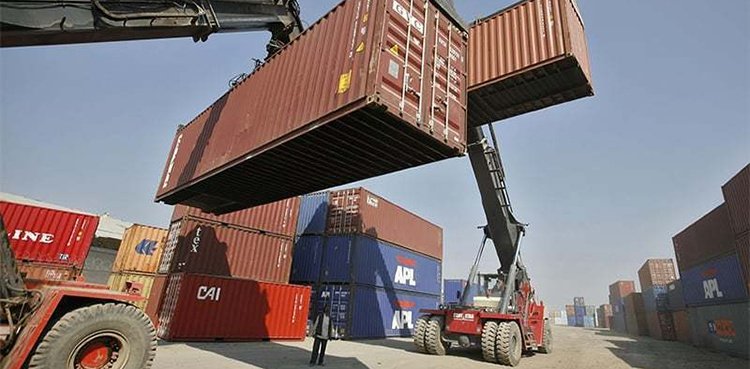
Exporters have also criticized the absence of major export-focused incentives. Industry stakeholders argue that Pakistan needs an aggressive export strategy to improve foreign exchange reserves and support long-term economic stability.
However, the budget does not introduce significant measures aimed at expanding export capacity or helping local businesses compete with regional rivals.
Business representatives stress that export-led growth remains one of the most effective ways to strengthen the economy. Therefore, they expected stronger policy support for exporters in the latest budget.
Many industry experts believe Pakistan must improve its trade competitiveness through lower production costs, easier regulations, and targeted incentives if it hopes to increase export revenues in the coming years.
Energy Costs Continue to Burden Industry
Another major concern relates to industrial energy tariffs. According to the PBF, many industries currently operate far below their full production capacity due to high energy costs.
The organization argues that manufacturers cannot significantly increase production without affordable electricity and gas prices. Furthermore, elevated utility costs discourage investment and reduce profit margins.
Business leaders expected a broader package of industrial support measures. Instead, they say the announced relief remains limited and insufficient to address the sector’s core challenges.
As a result, many manufacturers worry that industrial growth may continue to lag behind potential despite signs of broader economic stabilization.
Read more:Islamabad: Pakistan Considers ‘Easy Tax Scheme’ for Traders Ahead of Budget 2026-27
Tax Relief Receives Positive Response
Despite criticism of several budget measures, the PBF welcomed the government’s decision to reduce the super tax by two percent.
The forum also praised the complete abolition of the super tax for businesses with annual turnover of up to Rs500 million. According to industry representatives, this step will provide meaningful relief to a large segment of small and medium-sized enterprises.
In addition, stakeholders believe the decision could benefit the real estate and construction sectors by reducing tax burdens and encouraging investment activity.
Business leaders described the move as one of the more positive elements of the budget and urged policymakers to introduce similar relief measures for other productive sectors.
Concerns Over Growing Informal Economy
The PBF also highlighted concerns about the expansion of Pakistan’s undocumented economy.
According to the forum, the size of the cash economy has reportedly increased from Rs9 trillion to Rs12 trillion within a year. Business representatives view this trend as evidence that existing policies have not succeeded in documenting economic activity effectively.
They argue that a large undocumented economy creates unfair competition for tax-compliant businesses and reduces government revenue collection.
Moreover, the persistence of informal transactions limits transparency and complicates efforts to broaden the tax base.
Industry leaders have repeatedly called for policies that encourage documentation while reducing compliance burdens on legitimate businesses.
Exporters Seek Simpler Tax Framework
Separately, Salt Manufacturers Association of Pakistan founder chairman Ismail Suttar expressed strong reservations about the budget’s treatment of exporters.
He stated that Pakistan urgently needs a comprehensive strategy to boost exports and generate sustainable foreign exchange earnings. However, he believes the budget fails to provide a clear roadmap for achieving those objectives.
One of the export sector’s biggest concerns involves the government’s decision not to restore the final tax regime for exporters.
According to Suttar, exporters had requested a simpler tax framework that would reduce compliance costs and minimize interaction with tax authorities.
He argued that lowering withholding tax rates alone does not address the challenges faced by exporters.
“Businesses need predictability, simplicity, and efficiency,” he said, emphasizing that excessive paperwork and complex procedures continue to create obstacles for exporters.
Regional Competition Increasing Pressure
Industry representatives also warned that Pakistan’s competitors are actively supporting exporters through tax incentives, lower production costs, and streamlined regulations.
Meanwhile, local businesses believe the latest budget does not offer comparable support.
As global competition intensifies, exporters argue that Pakistan must create a more business-friendly environment to attract investment, increase exports, and strengthen economic growth.
Without meaningful reforms, they fear local industries could struggle to compete effectively in international markets.
Business Community Calls for Further Reforms
While acknowledging certain positive measures, business organizations maintain that broader reforms remain necessary.
They continue to advocate for lower energy costs, stronger export incentives, tax simplification, and policies that encourage investment and industrial expansion.
Many industry leaders believe that long-term economic success will depend on creating an environment where businesses can grow, innovate, and compete globally.
As parliamentary discussions on the budget continue, exporters and manufacturers are urging policymakers to address these concerns before final approval of the finance bill.
FAQs
Why are exporters criticizing Budget 2026-27?
Exporters believe the budget lacks strong incentives, tax reforms, and support measures needed to increase exports and improve competitiveness.
What concerns does the Pakistan Business Forum have?
The PBF has raised concerns about higher petroleum levy targets, elevated energy costs, limited export incentives, and the growth of the undocumented economy.
What positive budget measure did businesses welcome?
Business groups welcomed the reduction of the super tax by two percent and the abolition of the super tax for businesses with annual turnover up to Rs500 million.
Why is the export sector seeking tax reforms?
Exporters want a simpler and more predictable tax system that reduces compliance costs and minimizes administrative hurdles.
How do energy costs affect industrial growth?
High electricity and gas prices increase production expenses, reduce competitiveness, and discourage investment in manufacturing.
#PakistanBudget202627 #ExportsPakistan #BusinessNews #PakistanEconomy #IndustrialGrowth #ExportSector #TaxReforms #EconomicDevelopment #ManufacturingSector #InvestmentPakistan #BudgetAnalysis #PakistanBusiness