
Islamabad: The National Assembly Standing Committee on Finance on Friday rejected a proposal that would have allowed the Federal Board of Revenue (FBR) to share taxpayers’ personal information with commercial banks.
Lawmakers raised concerns about privacy and the possible misuse of financial data. They said the proposal could expose citizens to unnecessary scrutiny and errors.
The committee also called for a review of tax exemptions granted to selected organisations and approved several changes to budget proposals for the fiscal year 2026-27.
Committee Blocks Data-Sharing Proposal
According to Beyond Time News, the government wanted banks to compare customer records with information available to the FBR.
The proposal aimed to identify differences between tax declarations and banking data.
However, committee members opposed the move.
They argued that mistakes in the system could wrongly affect taxpayers.
PPP MNA Sharmila Faruqi said there was a risk of false accusations. She recalled a case in which her family’s bank accounts were frozen because of incorrect information.
Following the discussion, the committee rejected the proposal.
Limited Sharing With SBP Approved
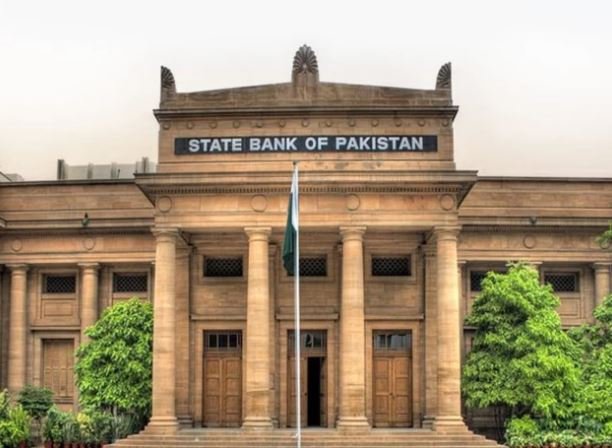
While opposing data sharing with commercial banks, lawmakers approved limited information sharing with the State Bank of Pakistan (SBP).
The information will be used for the Central Data Depository, a secure platform that stores banking data.
Members said this arrangement would protect privacy while supporting financial oversight.
Meanwhile, former foreign minister Hina Rabbani Khar criticised the idea of involving banks in tax enforcement.
She said banks should not be expected to perform duties assigned to the FBR.
Tax System Imbalance in Pakistan Puts Rising Pressure on Compliant Taxpayers, Report Highlights
FBR Says Data Is Needed
FBR officials defended the proposal during the meeting.
They argued that access to banking information would help identify undeclared assets and improve tax collection.
Hamid Ateeq Sarwar, Member Strategic Transformation, said Pakistan has around 180 million bank accounts.
However, only about one million accounts appear in wealth statements filed with tax authorities.
He said the gap makes it difficult to track hidden assets.
Even so, lawmakers remained unconvinced.
Tax Relief for Salaried Employees
The committee approved lower income tax rates for salaried individuals.
However, several members said the relief should have been larger.
MNA Jawed Hanif Khan pointed out that salaried workers contribute about Rs625 billion in taxes each year.
He said the proposed relief of Rs52 billion does not provide enough support.
Finance Minister Muhammad Aurangzeb assured the committee that additional relief could be considered in future budgets.
Review of Tax Exemptions
The committee also questioned the current system of tax exemptions.
Members asked the government to review exemptions granted to selected organisations.
The government has proposed adding five organisations to the exemption list:
- Pakistan Red Crescent Society
- Shaheen Foundation
- Dawat-e-Hadiya
- Bahria Foundation
- Sindh Institute of Urology and Transplantation (SIUT)
Committee Chairman Syed Naveed Qamar said all exemptions should be reviewed to ensure fairness and transparency.
Penalty for Late Filing Reduced
Lawmakers rejected a proposal to impose a Rs25,000 fine on late tax filers.
Instead, they approved a penalty of Rs1,000.
Members said the lower amount would encourage compliance without discouraging people from filing returns.
Higher Taxes Approved
The committee approved higher minimum income tax rates for fertiliser companies, sugar producers, packaged food manufacturers and other sectors.
Lawmakers acknowledged that the increase could push up prices.
However, they said the move would help improve government revenue.
Key Decisions
- Proposal to share taxpayer data with banks rejected.
- Limited sharing with SBP approved.
- Lower income tax rates for salaried workers approved.
- Review of tax exemptions requested.
- Penalty for late filing reduced to Rs1,000.
- Higher taxes approved for selected industries.
FAQs
Why did lawmakers reject the proposal?
They feared taxpayer information could be misused and lead to privacy concerns.
What information sharing was approved?
Limited sharing with the State Bank of Pakistan for the Central Data Depository.
Did salaried workers receive tax relief?
Yes. The committee approved lower income tax rates.
Which organisations may receive exemptions?
The proposed list includes the Pakistan Red Crescent Society, Shaheen Foundation, Bahria Foundation, Dawat-e-Hadiya and SIUT.
What happens next?
The recommendations will move forward as part of the budget approval process.
SEO Hashtags
#PakistanBudget #FBR #TaxpayerData #FinanceCommittee #NationalAssembly #TaxReforms #PakistanEconomy #IncomeTax #Budget202627 #PakistanNews