
By: Kashan Fayyaz
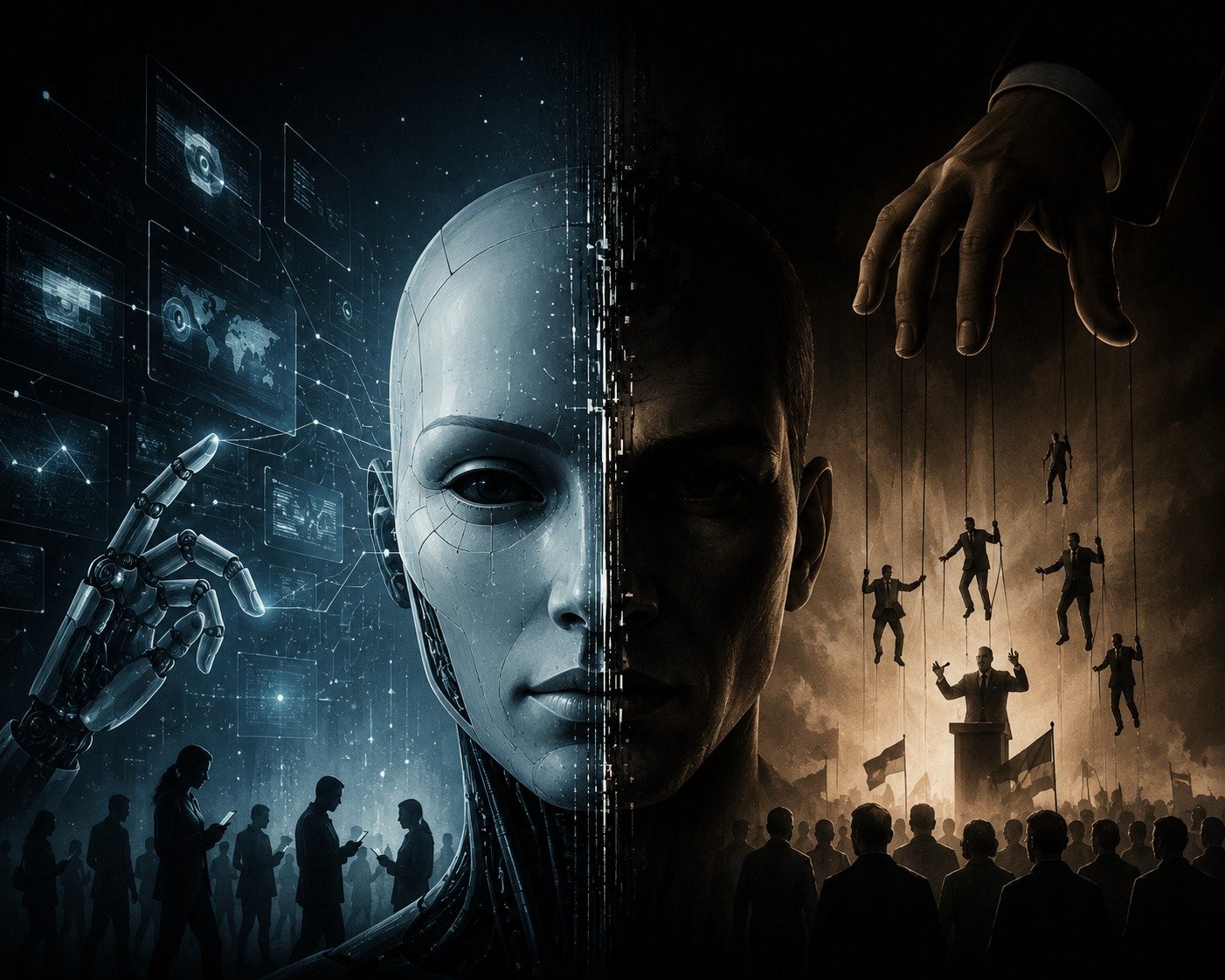
As artificial intelligence continues to transform industries, universities around the world are racing to prepare students for a rapidly changing future. New courses, updated curricula, and technology-focused programs are becoming increasingly common. However, a growing perspective within higher education suggests that the biggest challenge facing students may not be artificial intelligence itself, but a declining belief in their ability to shape their own future.
According to Beyond Time News, educators and researchers are paying closer attention to the psychological impact of constant discussions about automation, job displacement, and technological disruption. While AI is undoubtedly changing the workplace, experts warn that growing uncertainty among students could have long-term consequences for learning, motivation, and career development.
Universities Expand AI & Technology Education
Across the world, universities are investing heavily in programs designed to prepare graduates for a digital economy.
Courses related to artificial intelligence, machine learning, data analytics, cybersecurity, and digital transformation are now central components of many degree programs.
Business schools, engineering departments, and professional institutions are also redesigning their curricula to ensure students develop skills that align with future workforce demands.
These changes are driven by legitimate concerns. Experts agree that automation and AI technologies will continue to reshape many industries.
Some routine tasks are expected to become automated. At the same time, new career opportunities are emerging in technology-driven sectors.
However, many education specialists believe that skills alone may not determine future success.
A Growing Hope Gap Among Students
Many young people have grown up in an era dominated by rapid technological change.
News reports, social media discussions, and industry forecasts frequently suggest that artificial intelligence could replace workers in various professions.
While opinions differ on the extent of these changes, repeated exposure to such messages can influence how students view their future.
According to Beyond Time News, educators increasingly report that students are expressing concerns about job security, career stability, and long-term opportunities.
Some students question whether their education will remain relevant in an AI-driven world.
As a result, a growing number of academics have begun discussing what they describe as a “hope gap.”
This term refers to a disconnect between the opportunities available to students and their confidence that those opportunities will lead to meaningful outcomes.
Why Student Motivation Matters
Motivation plays a critical role in academic success.
Psychological research has consistently shown that students are more likely to work hard when they believe their efforts can influence future results.
When individuals feel they have control over their future, they are generally more willing to learn new skills, overcome challenges, and pursue ambitious goals.
However, uncertainty can weaken that belief.
Experts warn that students who become convinced that technology will eventually outperform humans in most fields may lose confidence in the value of their own efforts.
This mindset can reduce engagement, lower academic performance, and discourage personal growth.
Therefore, some educators argue that maintaining student motivation may be just as important as teaching technical skills.
Understanding the Psychology Behind the Challenge
One psychological concept often discussed in this context is “learned helplessness.”
Developed by psychologist Martin Seligman, the theory suggests that people who repeatedly feel powerless may eventually stop trying to improve their circumstances.
Even when opportunities exist, they may believe their actions will not make a difference.
Some education experts worry that constant predictions about AI replacing human workers could unintentionally contribute to a similar mindset among students.
If young people begin to believe that success is largely outside their control, they may become less motivated to invest in learning and self-development.
As a result, the psychological impact of AI-related narratives could become a significant challenge for educational institutions.
Human Skills Remain Essential
Despite rapid advances in artificial intelligence, experts continue to emphasize the importance of uniquely human abilities.
While AI can process information quickly and automate specific tasks, many skills remain difficult to replicate.
These include:
- Critical thinking
- Creativity
- Emotional intelligence
- Leadership
- Ethical decision-making
- Strategic judgment
- Interpersonal communication
- Cultural understanding
- Complex problem-solving
Many analysts believe these capabilities will become even more valuable as AI adoption increases.
Organizations are expected to seek professionals who can combine technical expertise with human-centered skills.
Consequently, future success may depend on a balance between technological knowledge and personal capabilities.
Universities Must Do More Than Teach Skills
The role of universities is evolving.
In the past, higher education focused primarily on delivering knowledge and professional training.
Today, information is available almost everywhere through digital platforms, online courses, and AI-powered tools.
As a result, many educators believe universities must offer something more.
According to Beyond Time News, higher education institutions play a crucial role in helping students develop confidence, resilience, and a sense of purpose.
University environments encourage collaboration, critical thinking, and problem-solving in ways that extend beyond classroom instruction.
These experiences help students build the confidence needed to navigate uncertainty and adapt to change.
Hope & Resilience in the AI Era
The debate surrounding artificial intelligence often focuses on technology, automation, and economic change.
However, some experts believe the more important issue is how students respond psychologically to these developments.
Societies thrive when people believe they can shape their future.
Innovation, entrepreneurship, scientific discovery, and creativity all depend on optimism and personal agency.
Conversely, widespread pessimism can reduce ambition and discourage participation in education and professional development.
For this reason, many educators argue that universities should focus not only on preparing students for technological change but also on helping them maintain confidence in their ability to succeed.
Looking Beyond the Technology
Artificial intelligence will continue to influence the future of work.
New opportunities will emerge, while some traditional roles may evolve or disappear.
Nevertheless, experts emphasize that human potential remains a critical part of that future.
Students who develop adaptability, resilience, creativity, and strong interpersonal skills are likely to remain valuable in an increasingly technology-driven world.
The challenge for universities is not simply teaching students how to use AI.
It is helping them understand that technology is a tool, not a replacement for human ambition, innovation, and determination.
As higher education continues to adapt, many experts believe the most important lesson may be one of confidence: students must continue to believe that their efforts matter and that they still have the power to shape their future.
The author is pursuing a degree in Software Engineering at Barani Institute of Information Technology (BIIT) and serves as a journalist with Kashmir Media Service (KMS).
Email: wanikashan7@gmail.com
FAQs
Why are educators concerned about AI’s impact on students?
Many educators worry that constant discussions about automation and job displacement may reduce student confidence and motivation.
What is the “hope gap” in education?
The hope gap refers to a growing disconnect between educational opportunities and students’ belief that those opportunities will lead to success.
Can AI replace all human jobs?
Most experts believe AI will transform many jobs but will not completely replace human skills such as creativity, leadership, and emotional intelligence.
What skills remain valuable in the AI era?
Critical thinking, communication, creativity, ethical decision-making, leadership, and problem-solving remain highly valuable.
How can universities help students prepare for the future?
Universities can provide technical skills while also building confidence, resilience, adaptability, and lifelong learning abilities.
SEO Hashtags
#ArtificialIntelligence #AIInEducation #HigherEducation #FutureOfWork #StudentMotivation #EducationTechnology #DigitalTransformation #GenZ #UniversityStudents #CareerDevelopment #EducationalLeadership #TechnologyAndSociety