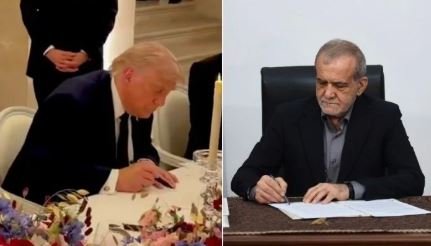
The recently announced understanding between the United States and Iran has generated significant debate across diplomatic, political and security circles. While the agreement is being viewed by many as a breakthrough that could reduce regional tensions, analysts caution that major challenges remain before a lasting peace can be achieved.
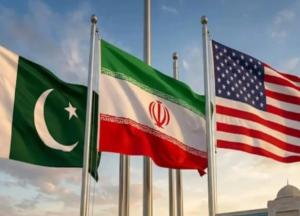
According to Beyond Time News, the memorandum of understanding (MoU) emerged after extensive diplomatic engagement involving Pakistan, Saudi Arabia, Türkiye, Oman and Qatar, with support from China and Russia. The development is being described by observers as one of the most significant diplomatic efforts in the Middle East in recent years.
A Diplomatic Breakthrough After Months of Tension
The agreement comes after a period of heightened tensions that raised concerns about wider regional instability, economic disruption and energy security.
Analysts believe the understanding provides an opportunity for both Washington and Tehran to move away from confrontation and toward dialogue. However, they also note that an MoU is only the first step in what could be a lengthy and complex negotiation process.
Many of the most difficult issues remain unresolved. These include Iran’s nuclear activities, regional security concerns, sanctions relief, economic recovery and broader stability across the Middle East.
As a result, the success of the initiative will largely depend on implementation and sustained political commitment from all sides.
Why the Deal Matters
For the United States, the agreement could help reduce the risk of prolonged conflict while easing pressure on global energy markets.
Economic experts have repeatedly warned that instability in the Gulf region can affect oil supplies, increase inflation and create uncertainty for international markets.
For Iran, the agreement offers the possibility of economic relief and greater engagement with the international community.
The prospect of sanctions relief and access to frozen assets remains particularly important for Tehran as it seeks to address economic challenges and improve living conditions for its population.
Domestic Pressures on Both Sides
Political considerations continue to influence decision-making in both Washington and Tehran.
In the United States, policymakers must balance national security concerns with growing public interest in avoiding costly overseas conflicts.
Meanwhile, Iranian leaders face their own domestic pressures. Despite criticism of the country’s political system in some quarters, many Iranians continue to support efforts to resist external pressure and defend national sovereignty.
This combination of internal and external pressures makes the diplomatic process both important and fragile.
Khamenei Approves US-Iran Deal Despite Reservations, 60-Day Nuclear Talks Set to Begin
Regional Concerns Remain
While the agreement has been welcomed by many observers, regional concerns have not disappeared.
Issues involving security arrangements, military activities and the future role of non-state actors remain among the most sensitive aspects of any long-term settlement.
Experts note that achieving sustainable peace will require cooperation from multiple regional stakeholders.
Furthermore, any attempt to disrupt negotiations could undermine progress and increase uncertainty.
For this reason, diplomats continue to emphasize dialogue, confidence-building measures and gradual implementation of commitments.
The Nuclear Question
One of the most important elements of future negotiations is expected to involve Iran’s nuclear programme.
According to analysts, discussions are likely to focus on nuclear enrichment levels, international monitoring mechanisms and measures designed to build confidence between the parties.
The nuclear issue has remained at the center of US-Iran relations for years.
Consequently, any long-term agreement will need to address concerns related to transparency, verification and peaceful nuclear activities.
Observers believe that technical negotiations on these issues could take considerable time due to their complexity.
Economic Relief & Recovery
Economic considerations are expected to play a central role in future talks.
Iran has consistently emphasized the importance of sanctions relief and access to financial resources as part of any broader understanding.
At the same time, the United States and its partners are expected to seek assurances regarding compliance with agreed commitments.
Many experts argue that economic incentives could provide a strong foundation for sustaining diplomatic progress.
However, they also warn that disagreements over implementation could become a source of future tension.
Pakistan’s Diplomatic Role Draws Attention
One of the most discussed aspects of the process has been Pakistan’s reported role in facilitating dialogue.
According to Beyond Time News, diplomatic engagement helped create channels of communication between parties that have experienced decades of strained relations.
Observers say such efforts demonstrate the growing importance of diplomacy in addressing complex international disputes.
Pakistan’s involvement has also been viewed as an example of how regional actors can contribute to conflict prevention and dialogue.
A Fragile but Important Opportunity
Despite optimism surrounding the agreement, analysts caution that significant obstacles remain.
Trust between the parties remains limited. In addition, unresolved political and security issues could complicate implementation efforts.
As a result, some experts warn that the region could enter a prolonged period characterized by reduced tensions but without a comprehensive settlement.
Nevertheless, many believe the agreement represents an important opportunity to prevent further escalation and create conditions for future negotiations.
Looking Ahead
The coming months are expected to be critical for determining whether the current understanding can evolve into a broader and more durable framework.
Success will depend on continued dialogue, political will and a willingness to address difficult issues through diplomacy rather than confrontation.
While challenges remain, the agreement has created a pathway that could contribute to greater stability, economic confidence and regional cooperation.
For now, policymakers, investors and citizens across the region will be watching closely to see whether this diplomatic opening can deliver lasting results.
FAQs
Why is the US-Iran agreement considered significant?
It has the potential to reduce tensions, encourage dialogue and improve regional stability.
What issues are expected to be discussed in future negotiations?
Key topics may include nuclear activities, sanctions relief, regional security and economic cooperation.
Why is economic relief important for Iran?
Economic recovery is viewed as a major priority due to ongoing financial and development challenges.
What role did diplomacy play in the process?
Diplomatic engagement helped facilitate communication and reduce misunderstandings between the parties.
What are the biggest challenges ahead?
Building trust, implementing commitments and resolving complex political and security issues remain major challenges.
SEO Hashtags
#USIranRelations #MiddleEastDiplomacy #PeaceNegotiations #RegionalStability #InternationalRelations #Diplomacy #GlobalPolitics #EconomicCooperation #ConflictResolution #PakistanDiplomacy #WorldNews #Geopolitics