- Iran’s supreme leader backs agreement after receiving assurances on national interests as sanctions relief and wider negotiations move forward
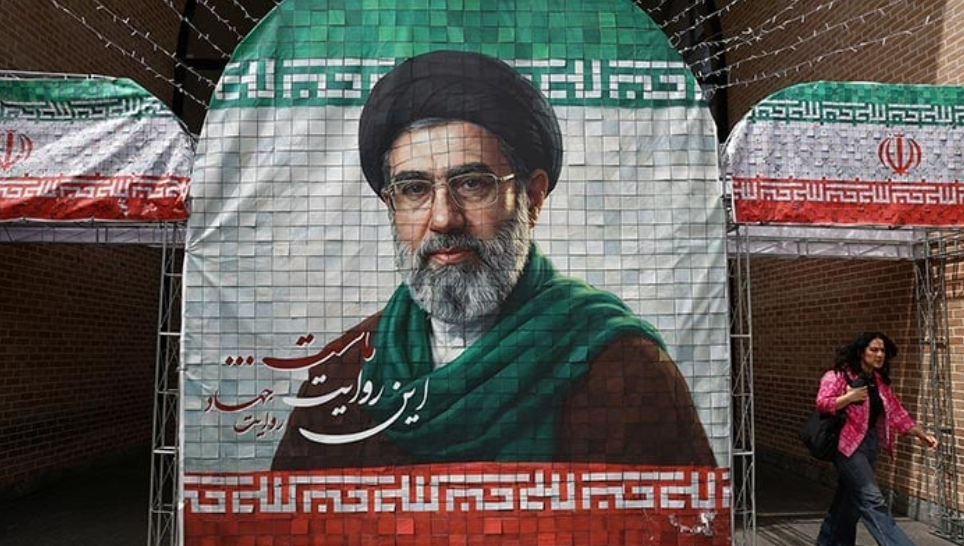
Tehran: Iran’s Supreme Leader Mojtaba Khamenei has approved a memorandum of understanding signed between Iran and the United States despite expressing reservations about the agreement, saying he was assured that Tehran’s rights and national interests would be protected throughout the negotiation process.
According to Beyond Time News, Khamenei’s endorsement clears the way for a 60-day period of talks between the longtime rivals, with discussions expected to focus on Iran’s nuclear programme, sanctions relief, regional security and broader diplomatic issues.
In a message to the Iranian nation on Thursday, Khamenei said he held a different view regarding the agreement but ultimately authorised it after receiving guarantees from President Masoud Pezeshkian and senior officials that Iran would not compromise on its core interests.
The agreement, signed by US President Donald Trump and President Pezeshkian, marks one of the most significant diplomatic developments between Tehran and Washington in recent years and comes amid efforts to reduce tensions in the region.
Khamenei stressed that direct engagement with the United States should not be viewed as accepting Washington’s position, adding that Iranian officials had committed to defending the country’s rights during any future negotiations.
Khamenei Signals “New Gulf Chapter” as Iran-US Tensions Escalate Over Hormuz
Diplomatic Breakthrough Opens New Negotiation Phase
The memorandum launches a formal 60-day framework for talks aimed at addressing several longstanding disputes between the two countries.
Among the most important issues expected to be discussed are Iran’s nuclear activities, economic sanctions and regional security concerns that have shaped relations between Tehran and Washington for decades.
Political analysts view Khamenei’s support as a crucial step, given the central role of the supreme leader in Iran’s decision-making process.
His approval signals that Tehran is prepared to test a diplomatic path while maintaining caution regarding the outcome of future negotiations.
Oil Markets React to Agreement
Global energy markets responded quickly to news of the deal.
Oil prices fell as investors anticipated a reduction in regional tensions and a lower risk of disruptions to energy supplies.
Attention also turned to the Strait of Hormuz, a critical shipping route for global oil exports.
The reopening of maritime activity through the strategic waterway is expected to ease concerns in international markets that had been closely monitoring developments in the Gulf region.
Sanctions Relief and Economic Expectations
The agreement includes provisions aimed at easing economic pressure on Iran.
Under the framework, the United States is expected to remove oil-related sanctions, providing potential relief for Iran’s energy sector and broader economy.
The memorandum also outlines plans for future economic cooperation linked to progress in negotiations over Iran’s nuclear programme.
Economists believe any sustained easing of sanctions could have a significant impact on trade, investment and economic recovery efforts in Iran.
Uncertainty Remains Over Future Talks
Despite the diplomatic breakthrough, questions remain about the long-term success of the agreement.
Officials from both countries have indicated that technical discussions could begin in the coming days, although details regarding future meetings have yet to be finalised.
Observers note that previous attempts to improve US-Iran relations have faced political and diplomatic challenges, making the upcoming negotiation period particularly important.
The next 60 days are likely to determine whether the agreement evolves into a broader settlement or remains a temporary step toward easing tensions.
FAQs
Why did Khamenei approve the US-Iran agreement?
He said he approved the deal after receiving assurances that Iran’s rights and national interests would be protected during negotiations.
What is included in the US-Iran agreement?
The memorandum establishes a 60-day negotiation period covering issues such as Iran’s nuclear programme, sanctions relief and regional security.
Will sanctions on Iran be lifted?
The agreement includes provisions for easing oil-related sanctions, with further measures expected to depend on future negotiations.
Why is the Strait of Hormuz important?
It is one of the world’s most important energy shipping routes and plays a major role in global oil exports.
What happens next?
Iranian and US officials are expected to hold technical discussions as part of the 60-day negotiation process.
#Iran #USIranRelations #Khamenei #MasoudPezeshkian #DonaldTrump #NuclearTalks #SanctionsRelief #MiddleEastNews #StraitOfHormuz #WorldNews